
London, May 16, 2026, 16:12 BST
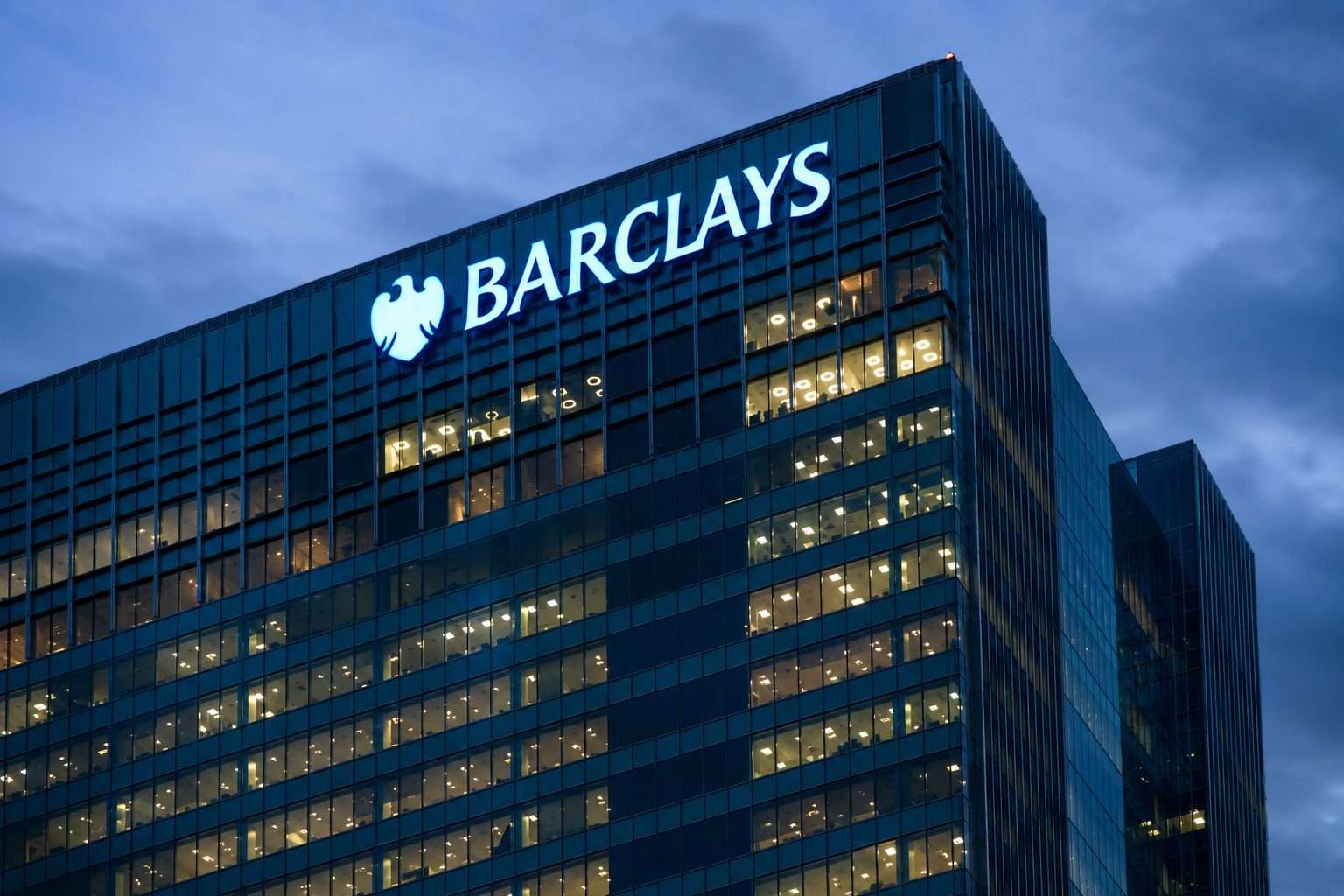
Barclays PLC fell 2.62% to 423.30p on Friday, trailing the FTSE 100, which dropped 1.71% to 10,195.37. That puts Barclays on the defensive ahead of the next London session. Investors go into the weekend weighing rising UK political risk, higher bond yields, and new worries about bank earnings.
London markets are shut on Saturday. The London Stock Exchange is open weekdays from 8:00 a.m. to 4:30 p.m. That means the next key session for Barclays is the open on Monday.
Barclays shares bounced around this week. The stock finished last Friday at 435.00p. By Monday, it was down to 429.10p and dropped further to 414.90p Tuesday. Barclays got back to 434.70p Thursday but slid again by Friday. The stock ended the week off about 2.7% from last Friday’s close.
Big picture outweighed the day’s move. UK gilt yields jumped as traders reacted to political worries in Westminster and inflation concerns. The 10-year gilt touched 5.15%, a level last seen in 2008. Sterling was tracking its worst week in a year and a half. “We’re seeing a strong repricing higher in global yields,” said Tom Ross, head of high yield at Janus Henderson Investors. The Guardian
Banks find themselves in a tight spot. Higher rates might bump up lending income, but they also push up funding costs and make things tougher for borrowers. The Bank of England’s main rate is at 3.75% and the next call is set for June 18.
Lloyds Banking Group dropped 2.63% on Friday, trading in line with Barclays’ decline as UK banks took a hit in the wider selloff. Peers were also down.
Regulation headlines again. The UK government said this week it plans to update ring-fencing rules. The rules force big banks to split retail banking off from riskier businesses like investment banking. Lenders such as Barclays, Lloyds and NatWest are included under the regime. The government said changes would help small and medium businesses get finance.
Barclays is still getting some lift from its capital-return plan, but that edge looks less clear now. The bank’s first-quarter pretax profit came in at £2.8 billion in April, with a £500 million share buyback and £4 billion in investment-bank income. The buyback was below what analysts were looking for, and Barclays booked a £228 million provision tied to MFS that weighed on the shares. Chief Executive C.S. Venkatakrishnan told Reuters U.S. banks have a “competitive edge” as regulatory differences grow. Reuters
Barclays’ medium-term target sits above where shares are trading. Fourteen analysts surveyed by Investors Chronicle set a 12-month median price target of 550p. Forecasts go from 455p up to 630p. That 550p figure is a 29.93% jump from the current 423.30p, but it is not guidance for how Barclays will trade on Monday.
Next session’s forecast looks less clear. If gilts and sterling stay firm, Barclays could try to hold Friday’s 417.00p low and push back up toward the 434p-435p zone. If sellers come back, the May 12 low at 409.50p is the next support level to watch.
Barclays’ share-price research page showed technical alerts for support on May 18, warning that a move under that level would send a negative signal. Support just means a price spot where buyers came in before; if that holds, it’s a floor, but if it gives way, traders start watching for the next one down.
Politics may still be driving prices more than bank fundamentals. Barclays could slip under support if gilt yields go higher, sterling drops again or new worries about credit losses hit—even with the buyback still running. If Westminster sees a quiet weekend, the risk drops, but the mood at the Monday open will show whether Friday’s drop was just defensive or an actual shift.