
CARACAS, April 30, 2026, 08:02 VET
- BP has inked a Venezuela gas memorandum just after delivering its best quarterly profit since 2023.
- The deal might send gas to Trinidad for LNG exports, though questions around licensing and execution still hang in the air.
- BP’s trading unit has boosted profits. Even so, investors remain focused on reducing debt and achieving more consistent production growth.
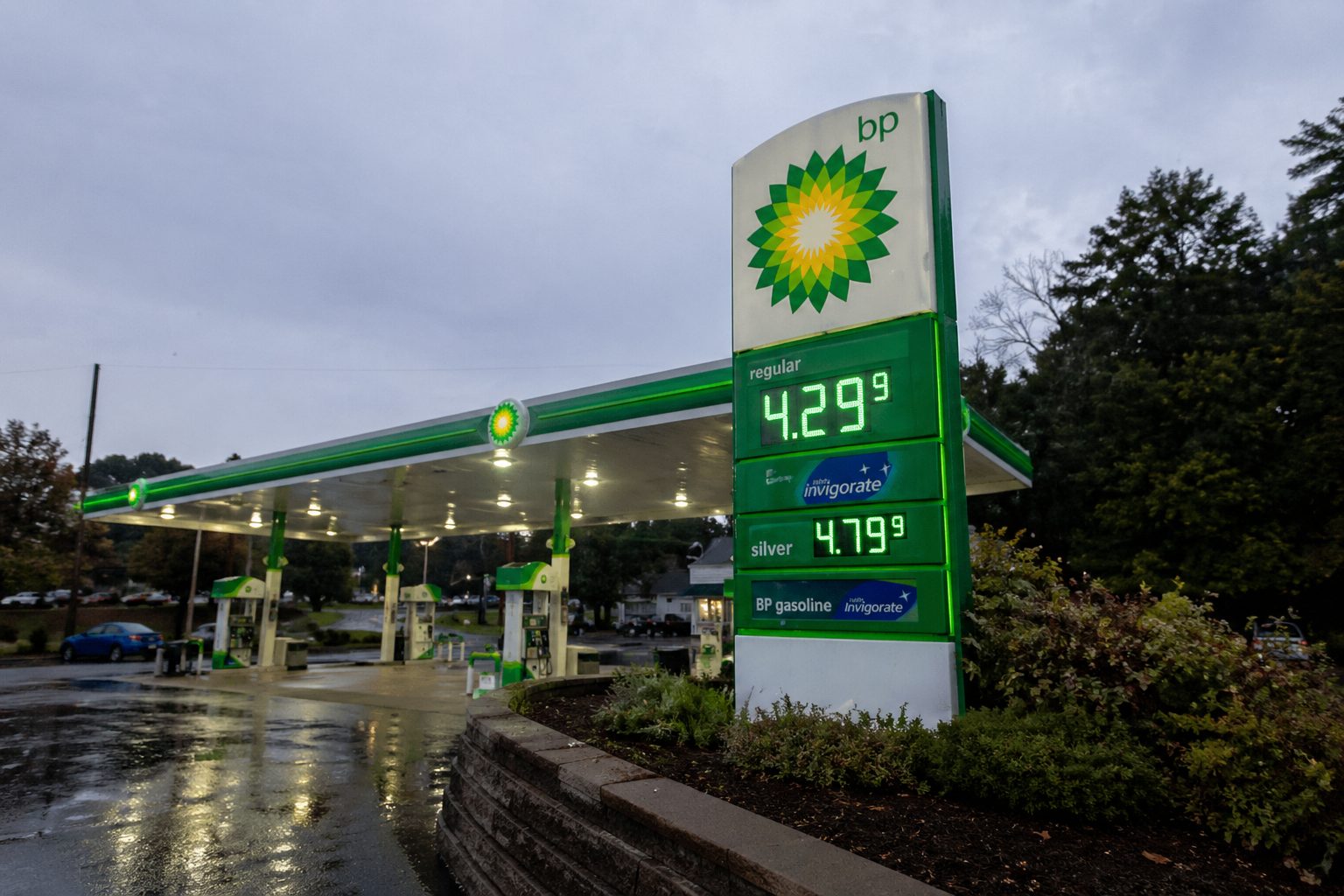
BP PLC is set to move into Venezuela’s Cocuina-Manakin gas field, and will also look at options in the offshore Loran area. The British oil giant signed a memorandum of understanding with Venezuelan authorities in Caracas on Wednesday—a framework agreement, not a binding investment. The deal lands just two days after BP posted a strong profit surprise.
Timing’s critical here. Meg O’Neill, the new Chief Executive, wants to prove BP’s got room to expand in oil and gas, reduce its debt load, and not get pegged as just a one-hit wonder after a standout trading period. BP’s underlying replacement cost profit for the first quarter landed at $3.2 billion—ahead of the $2.67 billion analysts expected, according to the company’s own survey. That figure, BP’s go-to profit metric, adjusts for certain inventory valuation shifts.
Venezuela’s latest move ropes BP into its ongoing effort to lure foreign oil and gas firms. Eni of Italy and Spain’s Repsol have inked their own agreements, and Shell is eyeing Loran—so BP faces plenty of competition as it re-enters the Caribbean gas game.
Interim President Delcy Rodriguez described BP’s comeback as “a clear sign” of the direction Venezuela is aiming for with global energy partnerships. BP executive vice president William Lin, responsible for gas and low carbon energy, said the company looked forward to working together on Loran exploration and commercialising gas, as reported from the signing event. The Edge Malaysia
Cocuina-Manakin sits right on the maritime boundary with Trinidad and Tobago, spanning both sides. Venezuela’s portion lies within the dormant Deltana Platform. On the Trinidadian side, BP is already running operations in Block 5b. The company has plans to tap over 1 trillion cubic feet of gas there, destined for Trinidad’s LNG facilities—where it can be turned into liquefied natural gas for export by tanker.
BP shares in London opened at 579.50 pence, a 0.63% gain, early numbers from Investing.com showed. Over in the U.S., the stock most recently changed hands at $46.80, up roughly 1%, market data indicated.
The timing of the Venezuela decision coincides with European oil giants spotlighting their trading operations. BP, Shell, and TotalEnergies have invested heavily in trading desks capable of moving crude and products quickly during upheavals. According to Reuters columnist Ron Bousso, BP’s trading division probably delivered around $1.5 billion in pre-tax profit for the quarter.
That was enough to offset areas that didn’t deliver. BP’s gas and low-carbon, along with its oil production arms, both missed forecasts. Net debt jumped, too—now sitting at $25.3 billion, up from just over $22 billion the quarter before. The group is also moving to pare back its hybrid bonds by roughly $4.3 billion; these instruments, which straddle debt and equity, can get pricey if market conditions shift.
BP is “controlling what we can control,” O’Neill told Reuters, pointing to stepped-up production elsewhere as Middle East unrest squeezed shipments through the Strait of Hormuz. On the company’s earnings call, she added that BP is shifting to more streamlined upstream and downstream reporting lines—a move aimed at boosting accountability and making decisions faster. Investing.com Canada
There’s no guarantee the Venezuela deal or the recent spike in trading will turn into steady cash. Back in February, BP disclosed it was after a U.S. license for Manakin-Cocuina; snags could come from Washington, the project itself, or even processing bottlenecks in Trinidad. Any of those would slow progress from memo to actual gas sales.
Right now, the deal hands BP an extra upstream lever just as O’Neill faces a tight window. First-quarter results bought her a little breathing room. What happens in Venezuela could show if BP converts that pause into actual barrels, gas, and a lighter debt load.