LONDON, March 19, 2026, 13:15 GMT
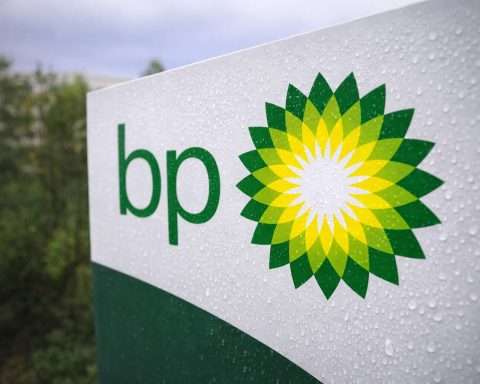
BP shares rose on Thursday after the oil major agreed to sell its Gelsenkirchen refinery in Germany to Klesch Group and lifted its 2027 cost-cut goal. The stock traded around 569 pence, up about 2.4% around midday in London. 1
The timing matters. BP is getting a company-specific lift just as crude prices surge again, with Brent jumping above $119 a barrel before easing to $113.40 by 1237 GMT. London’s oil and gas sector hit a record high even as the FTSE 100 fell 1.9% on broader market nerves. 2
BP said the deal would raise its 2027 cost-cut goal to $6.5 billion-$7.5 billion, up from the $5.5 billion-$6.5 billion range set in February. It expects about $1 billion of annual operating spending tied to Gelsenkirchen to come out, and said the sale should add to free cash flow — cash left after capital spending — while lowering the oil price its remaining refineries need to cover costs. Interim CEO Carol Howle said the sale would “strengthen our balance sheet”; about 1,800 staff are expected to move to Klesch, and the site processes about 12 million metric tons of crude a year. 3
BP did not disclose the value of the deal or the liabilities that will leave its books. Barclays analyst Lydia Rainforth estimated the liabilities removed could total $1.3 billion to $1.7 billion. 4
The disposal keeps BP moving through its $20 billion asset-sale plan, with more than $11 billion already announced or completed. It also hands incoming CEO Meg O’Neill a leaner portfolio as she prepares to take over the group. 3
Investors reacted very differently when BP last reset expectations. In February, the company suspended $750 million of quarterly share repurchases to speed up debt reduction, said net debt had been cut to $22 billion and reiterated a $14 billion-$18 billion target for 2027; the shares fell 7% that day, while Shell and Exxon kept their own repurchase plans in place. 5
That leaves a clear risk. James West, head of energy and power research at Melius Research, said earlier this month the market was betting on a “swift end” to disruption in the Strait of Hormuz, which would pull oil prices back down. Standard Chartered took the other side, saying there could be a “long tail” to the damage even if fighting fades. 6
For now, BP is getting credit for lower costs, a smaller refining footprint and a cleaner path to cash generation at a moment when crude is doing some of the rest. The next test is whether that support survives once the price shock cools and the company tries to turn asset sales into lower debt and, eventually, restored repurchases. 3