
SYDNEY, March 19, 2026, 10:18 AEDT
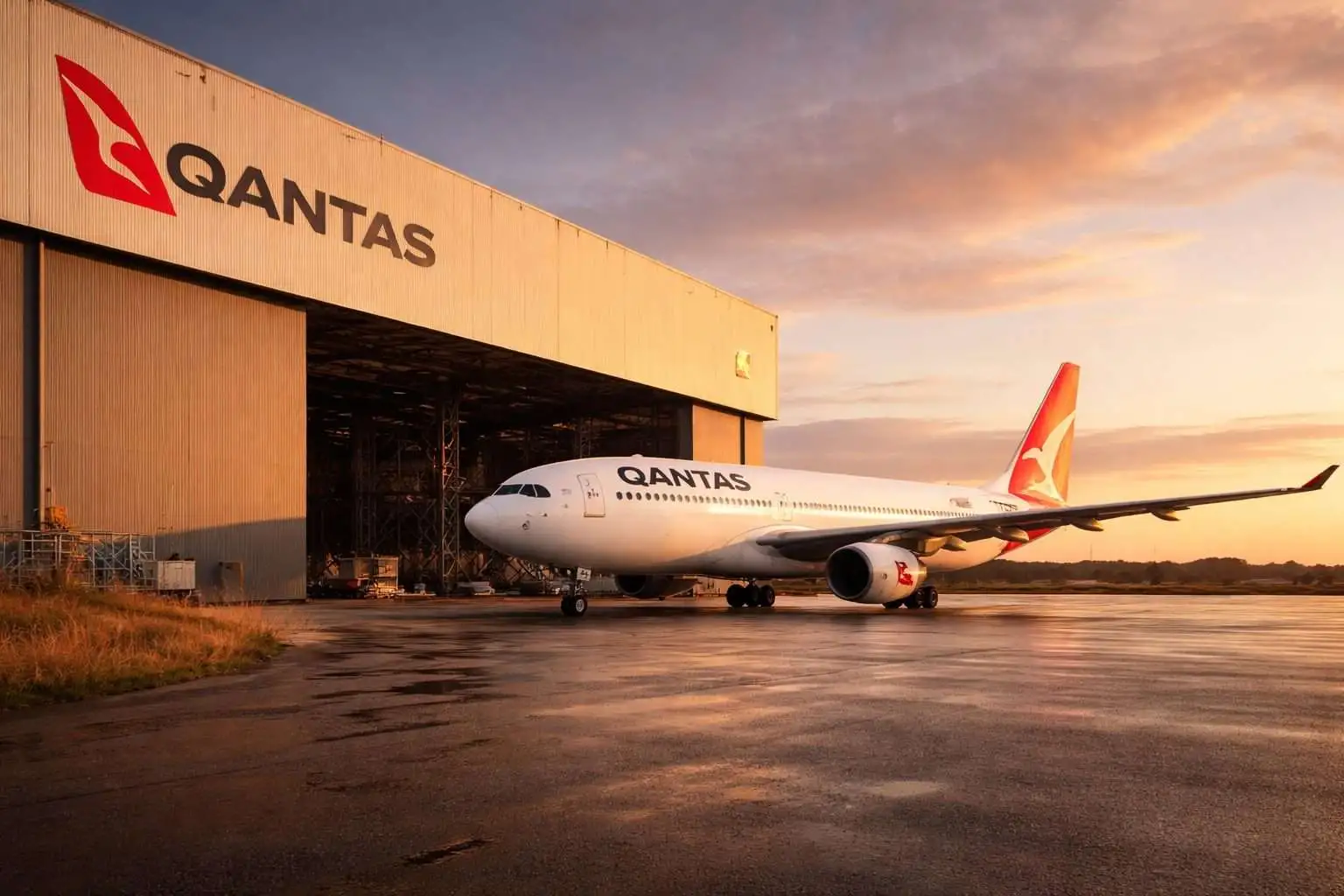
Qantas Airways slipped 1.9% to A$8.56 shortly after the open in Sydney, pressured by another spike in oil and reduced fuel supply across Asia. At 10:18 a.m. local time, shares were off A$0.17, having touched an intraday low of A$8.51.
This shift is significant—fuel ranks among the biggest expenses for airlines, and Qantas hasn’t wasted time raising international ticket prices. Investors remain cautious, gauging how much of the recent cost spike can be pushed onto travelers, particularly after last month’s results flagged softer profits in Qantas’s international business.
This week brought fresh tension along Asia’s supply chain. According to Reuters, China has stopped exporting diesel, gasoline, and jet fuel through at least the end of March. Australia, which last year got roughly a third of its jet fuel from China, is expected to feel the impact.
China has long played the role of Asia’s “swing supplier,” filling the gap when supplies get tight. “The remaining Asian exporters simply do not have the spare volumes to replicate China’s role as the region’s swing supplier,” said Kpler analyst Zameer Yusof. Reuters
Concerns escalated as Brent crude surged 5.6% to $107.38 a barrel in the wake of Iranian missile attacks on Gulf energy sites, Reuters reported. Shipping traffic through the Strait of Hormuz halted. Jet-fuel prices, and therefore airline costs, climbed regardless of their distance from the fighting.
Hedging—those financial contracts airlines use to lock in future fuel costs—doesn’t stretch as far this time around, with jet fuel prices outpacing crude by a wide margin. The crucial refining margin, essentially the gap between crude and finished jet fuel, “blew out last week and that’s where everyone is less protected,” said Nathan Gee, Bank of America’s head of Asia Pacific transportation research. Reuters
Qantas and Air New Zealand are each over 80% hedged on crude through June, according to Reuters, but fares are already up. Qantas told Reuters last week that its European flights in March ran more than 90% full—roughly 15 points above typical levels for this season—and the airline is now looking into adding capacity on those European routes.
This isn’t just a Qantas problem. Last week, Air New Zealand announced plans to slash flight schedules by roughly 5% into early May. Over at Cathay Pacific, CFO Rebecca Sharpe acknowledged the airline’s crude hedges fall short—“not protecting against the jet fuel price in totality.” Reuters
The market’s nerves were clear back in February. Qantas delivered a 5% bump in first-half underlying profit before tax, reaching A$1.46 billion. Yet shares sank 10% as investors zeroed in on a 6% decline in international underlying EBIT and weaker demand for economy seats between Australia and the U.S. Analysts at Citi and RBC Capital Markets flagged the international performance as a miss.
The next phase looks far from straightforward. Australia’s transport minister on Monday said there’s no immediate threat to fuel supplies, adding that both Qantas and Virgin are equipped to handle disruptions linked to the conflict. Still, if oil prices hold above $100 and Asia’s supply crunch deepens, carriers may struggle to offset those costs with pricier tickets—demand could take a hit.
Earlier this month, Chief Executive Vanessa Hudson described Qantas’s fuel hedging as “pretty good,” but acknowledged the sharp oil move is hitting aviation hard. Investors, for their part, are weighing whether packed Europe routes and higher ticket prices will be enough to offset a fuel market that keeps working against airlines. Reuters