Brazil 18 February 2026 - 7 March 2026

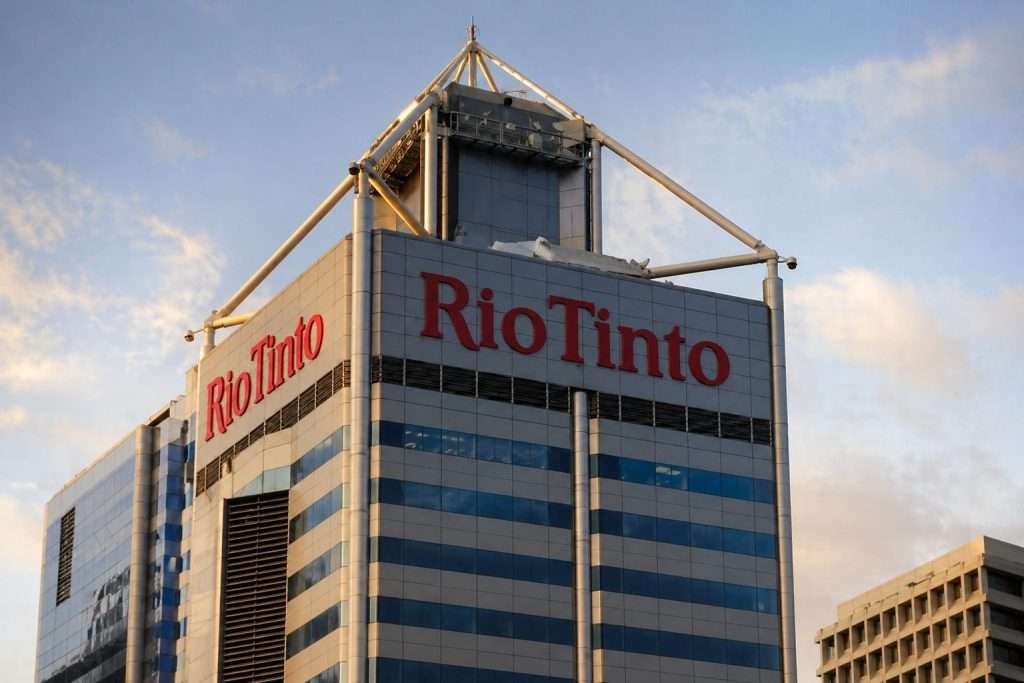
Rio Tinto’s Brazil Bauxite Bet Clears Key Permit as Mining Money Floods In

Rio Tinto’s Brazil Bauxite Bet Clears Key Permit as Mining Money Floods In

Mineração Rio do Norte, backed by Rio Tinto, secured an installation licence from Brazil’s IBAMA for its Novas Minas bauxite project, allowing construction at five new sites in Pará. The permit supports MRN’s plan to invest 9 billion reais through 2041 and target annual output of 12.5 million metric tons. Norway’s sovereign wealth fund remains engaged over deforestation concerns tied to the project’s planned expansion.
April 30, 2026
Last Week on Brazil’s B3 Stock Exchange: Ibovespa Falls Nearly 5% as War Fears Outrun Petrobras Boost

Last Week on Brazil’s B3 Stock Exchange: Ibovespa Falls Nearly 5% as War Fears Outrun Petrobras Boost

Brazil’s Ibovespa index closed Friday down 0.61% at 179,364.82, capping a 4.99% weekly loss as conflict in the Middle East pushed oil prices higher and U.S. jobs data disappointed. Petrobras posted a fourth-quarter net profit of 15.6 billion reais and announced 8.1 billion reais in shareholder payouts. Brazil’s 2025 GDP growth slowed to 2.3%, its weakest since 2020. Rate cut hopes dimmed as inflation risks rose.
March 7, 2026

Stock Market Today

  • Australian Government Proposes Domestic Gas Reservation Scheme Impacting Santos Exports
    May 25, 2026, 8:12 PM EDT. The Australian government unveiled a draft framework mandating gas producers supply 20% of their liquefied natural gas (LNG) exports for domestic use, targeting companies like Santos, the country's second-largest oil and gas producer. The policy aims to curb export volumes to ensure local supply, with penalties up to A$100 million or export restrictions for non-compliance. It offers producers flexibility through measures like import adjustments and gas swapping but expects deficits to be made up later. Industry groups warn the scheme could undermine investment and Australia's international gas market reputation. Resources Minister Madeleine King emphasized the government's consultative approach despite industry objections. The policy reflects the Albanese administration's focus on balancing export demands with domestic energy security amid a shift towards renewable and reliable power sources.