Ciencia 17 January 2026

Severe solar storm alert: NASA tracks CME as NOAA upgrades G4 geomagnetic storm

Severe solar storm alert: NASA tracks CME as NOAA upgrades G4 geomagnetic storm

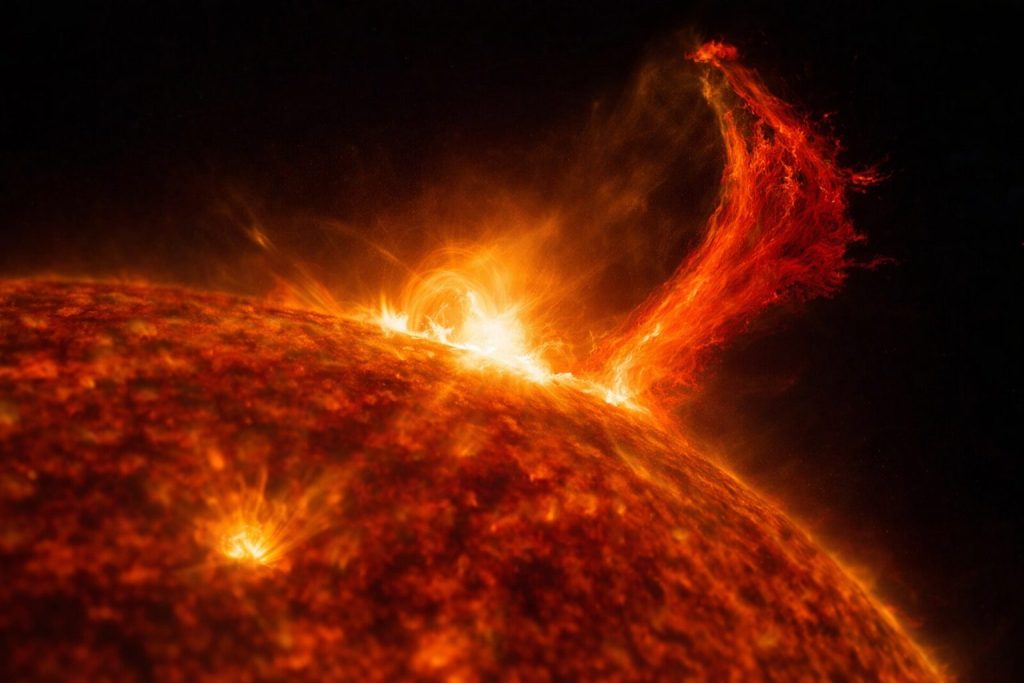
The National Oceanic and Atmospheric Administration’s Space Weather Prediction Center said a severe geomagnetic storm hit the agency’s G4 level early Tuesday, with storm conditions logged at 3:23 a.m. and again at 5:21 a.m. Eastern time. Why it matters now: NOAA said a severe S4 solar radiation storm was also under way, a rare category that can raise radiation exposure risk for astronauts and for flights that use polar routes. It also cited higher risk for satellites and space launch systems and potential loss of over-the-horizon high-frequency radio links in polar regions.

January 20, 2026
NOAA weather drones: A new pilot aims to fix a key U.S. forecast blind spot

NOAA weather drones: A new pilot aims to fix a key U.S. forecast blind spot

NOAA is set to start incorporating “weather drone” data into U.S. forecasting through a new collaboration with Swiss weather-data provider Meteomatics, the company announced this week. The data stream will be integrated via NOAA’s National Mesonet Program, which currently aggregates information from non-federal sources, covering 35,000 observation sites nationwide. The effort focuses on a persistent blind spot in the U.S. weather monitoring network: the lower atmosphere, stretching from about 50 feet up to 20,000 feet above the ground. This zone is critical—where fog develops, storms begin to form, and hazardous low-level winds shift—but it’s notoriously difficult to observe with precision.
January 17, 2026