Energy Sustainability 9 August 2025 - 16 August 2025

nuclear fusion

Fusion Energy Frenzy: Are We Closer Than Ever to Unlimited Clean Power?

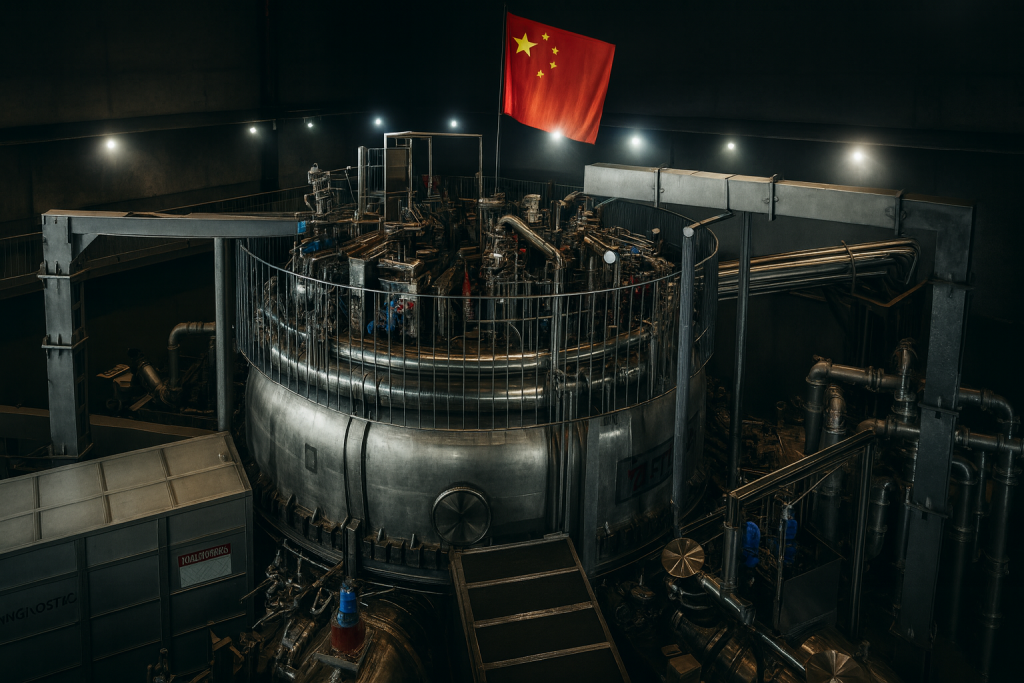
Nuclear fusion is the same process that powers the Sun and stars weforum.org – merging light atomic nuclei to form heavier ones and release enormous energy. In theory, fusion could provide virtually limitless, climate-friendly energy: it uses abundant fuel and produces little radioactive waste compared to conventional nuclear power. Unlike splitting heavy atoms, which leaves long-lived waste, a fusion reaction yields mostly harmless helium and short-lived neutrons weforum.org, euro-fusion.org. Recent advances have reignited a “fusion frenzy” – a global race among national labs and startups to tame the power of the Sun on Earth. Scientists, entrepreneurs and policymakers increasingly ask: could fusion finally revolutionize our energy systems? A Brief History of Fusion Research: Fusion has fascinated scientists for a century.
August 19, 2025
Deep-Water Wind - Floating Turbines

Deep-Water Wind Revolution: Floating Turbines Set to Transform Offshore Energy

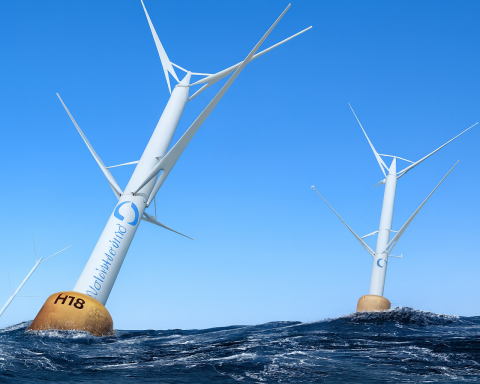
Floating wind turbines are offshore wind generators mounted on buoyant platforms that are tethered to the seabed with mooring lines, instead of being rigidly fixed into the ocean floor. In traditional offshore wind farms, turbines sit on fixed-bottom foundations driven into relatively shallow seabeds windexchange.energy.gov. By contrast, floating turbines have a buoyant base that allows deployment in much deeper waters where fixed foundations aren’t feasible windexchange.energy.gov. The turbine components above water are largely the same as those on fixed units rabobank.com, but the key difference lies in the substructure: a floating platform plus an anchoring system that keeps it stable and in place rabobank.com. Multiple heavy-duty mooring cables hold the floating foundation so the turbine stays upright and can safely
August 16, 2025
Perovskite - flexible solar cells

Perovskite Solar ‘Stickers’ Are Almost Here: How Flexible Laminates Could Turn Walls, Cars & Roofs into Power Plants

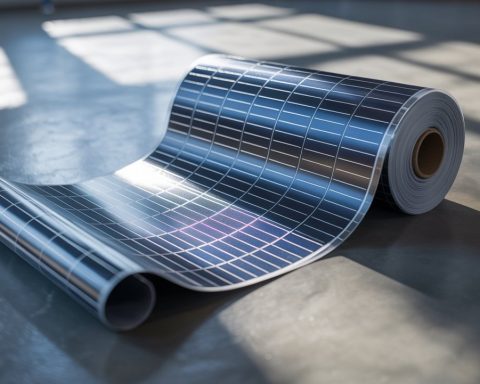
Ultra‑thin perovskite photovoltaics laminated onto flexible films are moving from lab to market. Japan is investing big and early products and pilots are appearing. The promise: lightweight power on curved or weight‑limited surfaces with fast, low‑temperature, roll‑to‑roll manufacturing. The hurdles: durability, safe lead management, and bankable certification. Financial Times, ScienceDirect, Nature Perovskites are a class of crystal materials that convert light to electricity very efficiently and can be processed from inks at low temperatures. Flexible laminates package those cells between polymer barrier films and adhesives, creating thin, light solar sheets that can bend and conform to surfaces like façades, membranes, vehicles, tents, and IoT devices. ScienceDirect, American Chemical Society Publications
August 15, 2025
Metal-Organic Frameworks - MOFs

Metal-Organic Frameworks (MOFs): Sponge-Like Crystals Poised to Transform Carbon Capture, Clean Energy and More

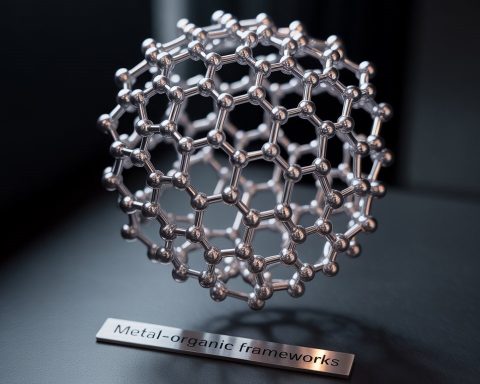
Imagine a material with so much internal surface area that a pinch of it contains the equivalent of six football fields of area news.berkeley.edu. Such metal-organic frameworks are porous, crystalline compounds made of metal nodes connected by organic linkers, creating sponge-like networks at the molecular scale. Scientists tout MOFs as having “seemingly limitless possibilities” for building custom structures with tailored properties cas.org. Over the past 20 years, research on MOFs has exploded – nearly 90,000 unique MOF structures have been created cas.org. This surge is driven by the promise that MOFs can tackle critical challenges in sustainability and technology. From capturing climate-warming carbon dioxide and storing clean hydrogen fuel to delivering drugs and harvesting water from desert air, MOFs are
August 9, 2025