medicine 5 August 2025 - 18 August 2025

Pig Neurons in Human Brains? The 2025 Reality Check on Neuron Xenotransplantation—Breakthroughs, Risks, and What Happens Next

Pig Neurons in Human Brains? The 2025 Reality Check on Neuron Xenotransplantation—Breakthroughs, Risks, and What Happens Next

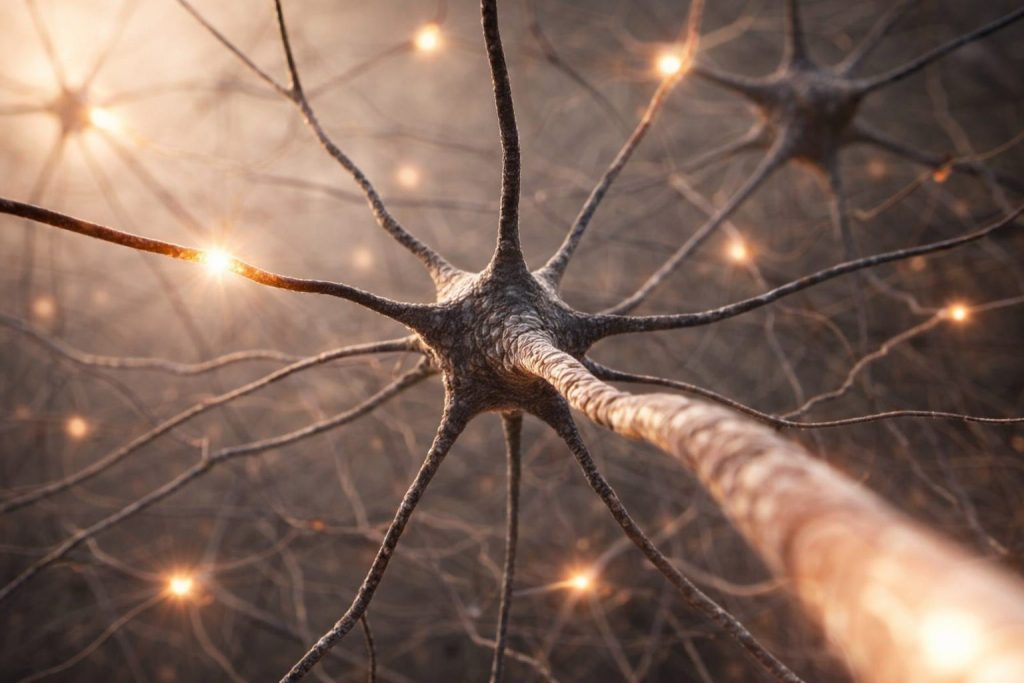
Neuron xenotransplantation is the transplantation of neurons or their precursors between species, most realistically from genetically engineered pigs to human patients. It’s distinct from allografts and from organoid research that places human cells into animals for modeling. The therapeutic aim is to replace or modulate circuits, for example by adding GABAergic interneurons to restore inhibition in focal epilepsy, or by providing trophic support in neurodegeneration. Frontiers, PMC “Xenotransplantation is viewed…as having the potential for treating not only end‑organ failure but also chronic debilitating diseases,” notes the U.S. FDA. U.S. Food and Drug Administration
August 18, 2025
Yamanaka Factors Are Resetting Aging Cells

Rewinding the Clock: How Yamanaka Factors Are Resetting Aging Cells

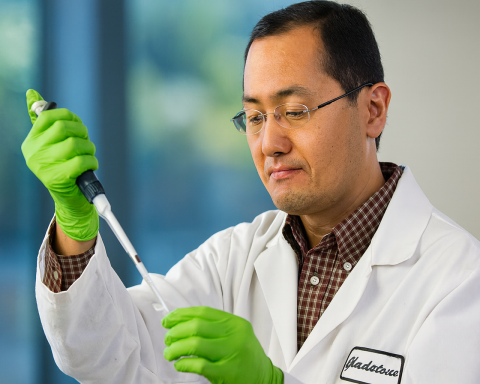
Imagine if we could press a “reset” button on aging cells, restoring them to a youthful state. Recent breakthroughs in aging biology suggest this might be possible by reprogramming the epigenome – the chemical marks that regulate our DNA – using a set of genes known as the Yamanaka factors. Researchers have found that applying these factors for a short time can roll back cellular aging without completely erasing the cell’s identity scientificamerican.com, sciencedaily.com. The tantalizing hope is that we may reverse age-related damage, improve tissue function, and perhaps even treat diseases of aging by restoring cells to a younger condition. In this report, we’ll explain what the epigenome is and how it changes with age, how Yamanaka factors can
August 18, 2025
Senolytic Drugs

The Secret “Zombie Cell” Killers: Niche Senolytic Drugs Fighting Aging’s Clock

For centuries, people have searched for a fountain of youth. Today, scientists are zeroing in on an intriguing strategy – senolytic drugs – that might help turn back the biological clock. These compounds target the so-called “zombie cells” in our bodies, officially known as senescent cells, which stop dividing but refuse to die nature.com. As we age, these senescent cells accumulate and spew out harmful signals that drive inflammation, tissue damage, and aging itself nature.com. Senolytics are designed to selectively destroy these damaged cells, potentially slowing aging and alleviating many age-related conditions with a single treatment. Researchers discovered the first senolytic breakthrough in 2015, when a Mayo Clinic and Scripps Research team found that a combination of two compounds –
August 17, 2025
How Engineering Nature’s Catalysts is Transforming Medicine, Food & the Planet

The Enzyme Revolution: How Engineering Nature’s Catalysts is Transforming Medicine, Food & the Planet

Imagine if we could reprogram nature’s own microscopic machines to solve human problems. Enzyme engineering is the science of redesigning enzymes – the proteins that catalyze life’s chemistry – to have new or improved functions. In simple terms, it means tweaking an enzyme’s genetic code so the enzyme works better or differently. Why bother? Because enzymes are extraordinary catalysts: they speed up chemical reactions under gentle conditions, unlike many industrial processes that require high heat or toxic chemicals newsroom.uw.edu. As biochemist David Baker explains, “Living organisms are remarkable chemists… they use enzymes to break down or build up whatever they need under gentle conditions. New enzymes could put renewable chemicals and biofuels within reach” newsroom.uw.edu. In other words, if we
August 14, 2025
The Future of Artificial Blood, Organs, and Tissues - Breakthroughs and the Road to Transplantation

Organ failure and blood shortages remain critical challenges in medicine. Over 100,000 patients in the U.S. alone are currently on organ transplant waiting lists, and nearly 20 people die each day unable to receive a transplant in time vox.com. To address this crisis, scientists and biotech innovators are pursuing cutting-edge solutions – from artificial blood cells grown in laboratories, to lab-grown tissues and organoids engineered from stem cells, to even xenotransplantation. These approaches, once the realm of science fiction, have seen remarkable advances in recent years. This report explores the latest scientific developments in artificial blood, tissues, and organoids; the commercialization and regulatory progress toward lab-grown transplants; breakthroughs in xenotransplantation with genetically modified pigs; expert perspectives and ethical considerations; and
August 13, 2025
How Gene Editing Therapies Are Curing the “Incurable”

DNA Makeover: How Gene Editing Therapies Are Curing the “Incurable”

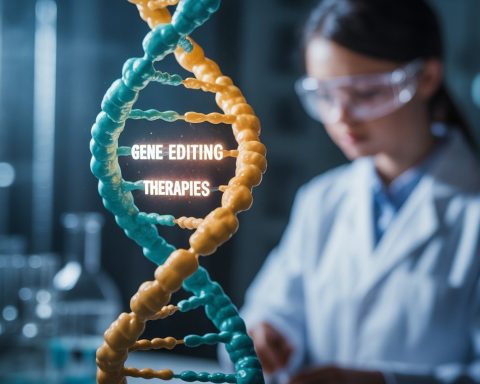
Imagine if doctors could repair a disease at its genetic root, giving patients healthy genes to replace faulty ones. That sci-fi scenario is now real. Patient DNA modification refers to cutting-edge treatments that alter a person’s genetic code to treat or cure illness. These therapies are often called gene therapies or gene editing treatments. Traditional gene therapy usually works by adding a good copy of a gene to make up for a bad one, often using a modified virus as a delivery vehicle. Newer approaches go further – they edit the DNA itself using molecular tools. In short, patient DNA modification means using these molecular tools to correct or compensate for genetic flaws inside a patient’s cells. It’s a radical
August 12, 2025
Organ-on-a-Chip Technology

Lab Rats No More: How Organ-on-a-Chip Technology is Revolutionizing Drug Testing

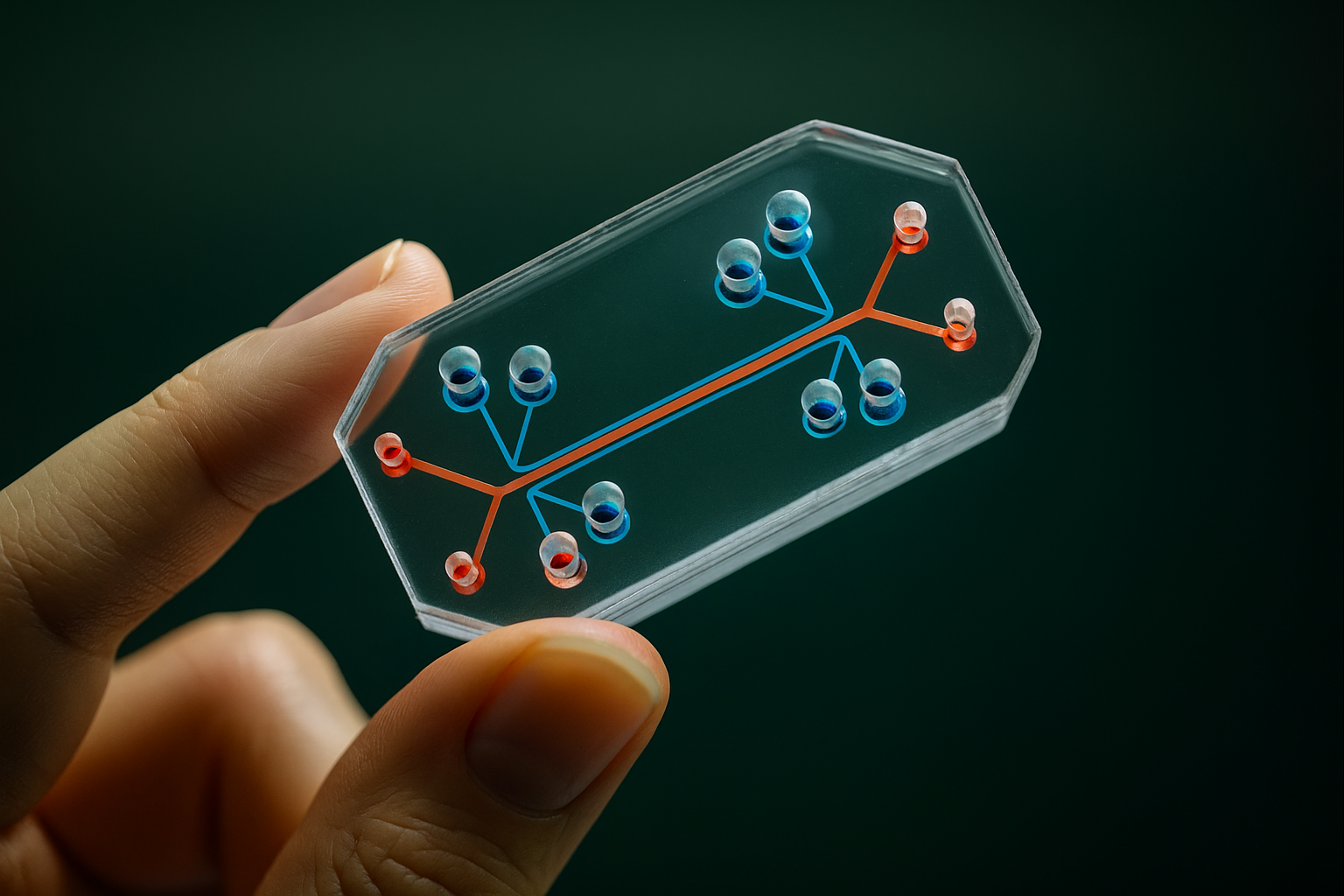
Every year, over 100 million animals are used in lab experiments worldwide science.rspca.org.uk. Yet despite this scale of animal testing, around 90% of drug candidates that seem promising in animals end up failing in human trials cen.acs.org. Enter organ-on-a-chip technology – a cutting-edge alternative that aims to mimic human organs on microchips and dramatically improve drug testing without the need for lab animals. These tiny devices, lined with living human cells, can recreate the key functions of hearts, lungs, livers, and more, offering a more human-relevant testing platform. Regulators and scientists are taking notice: new laws and policies are encouraging non-animal methods, companies are racing to develop organ-on-chip systems, and experts herald this approach as a potential game-changer for medicine
August 10, 2025
The mRNA Revolution Transforming Medicine

Beyond COVID Vaccines: The mRNA Revolution Transforming Medicine

When COVID-19 struck, an unfamiliar technology called mRNA catapulted to global fame with life-saving vaccines developed in record time nobelprize.org. These vaccines, which used messenger RNA to instruct our cells to make virus-fighting proteins, proved about 95% effective and were deployed to billions worldwide nobelprize.org. But the pandemic was just the beginning. Researchers and companies are now unleashing a revolution in medicine powered by mRNA – from personalized cancer treatments to shots for influenza and even therapies for rare genetic diseases. Enthusiasm is high: “The potential implications of using mRNA as a drug are significant and far-reaching,” says Stéphane Bancel, CEO of Moderna mckinsey.com. In this report, we’ll explore what mRNA is, how it works as a drug platform, and
August 10, 2025
Groundbreaking treatments - super crops - and a revolution in green technology

Biotech 2025: Breakthrough Cures, Super Crops, and a Green Tech Revolution

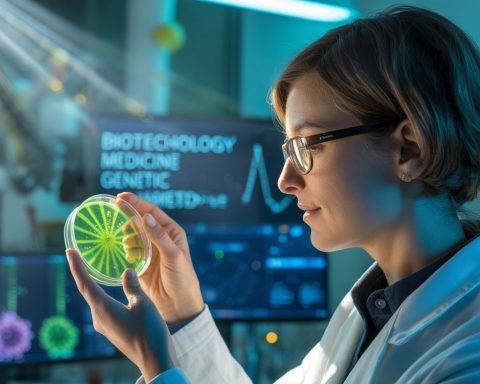
The biotechnology industry is entering a new golden age in 2025, with innovations reshaping healthcare, agriculture, environmental management, and manufacturing. Globally, biotech is booming – the market is projected to expand from about $483 billion in 2024 to $546 billion in 2025, a robust growth rate of roughly 13% labiotech.eu. This rapid rise is fueled by game-changing advances: life-saving gene therapies and mRNA vaccines in medicine, gene-edited “super crops” boosting food security, and bio-based solutions that turn pollution into products. Major players from nimble startups to pharma giants are racing to commercialize breakthroughs, while investors pour capital into promising ventures. The public is increasingly seeing biotechnology’s impact everywhere – from the doctor’s office to the dinner plate – making 2025
August 9, 2025
The Gene Editing Revolution Transforming Medicine

How CRISPR Is Curing the Incurable – The Gene Editing Revolution Transforming Medicine

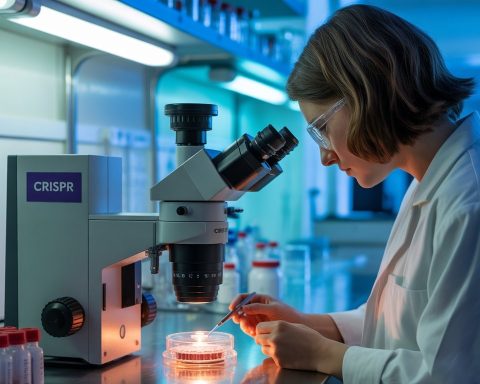
In the last decade, CRISPR/Cas9 gene editing has rapidly evolved from a lab curiosity into a revolutionary medical tool. This technology allows scientists to edit human DNA with unprecedented precision, offering the possibility to cure genetic diseases once deemed incurable medlineplus.gov, news.stanford.edu. In 2023, the first CRISPR-based therapy earned regulatory approval, signaling that the era of gene editing medicine has truly arrived innovativegenomics.org, fda.gov. From sickle cell anemia and cancer to rare metabolic disorders, CRISPR-driven treatments are already transforming lives. At the same time, these breakthroughs have sparked intense ethical debates – about safety, equitable access, and even the prospect of “designer babies.” This report provides an in-depth, up-to-date overview of CRISPR/Cas9 in human medicine: how it works, its applications,
August 6, 2025
Gene Therapy

Gene Therapy Revolution: Cures, Breakthroughs & Challenges in Genetic Medicine

Genetic therapies are treatments that aim to correct or modify the genetic instructions inside our cells to fight disease. Instead of using conventional drugs or surgery, gene therapy targets the root cause – faulty genes. In simple terms, it works by adding, replacing, or fixing genes in a patient’s cells so the body can produce crucial proteins it was missing or repair a harmful mutation genome.govmedlineplus.gov. For example, if a disease is caused by a missing or broken gene, gene therapy can deliver a healthy copy of that gene to the patient’s cells. This allows the cells to make the functional protein that was lacking and thereby treat, prevent, or even cure the disease genome.gov. Illustration of gene therapy using
August 5, 2025