
Sydney, May 20, 2026, 02:06 AEST
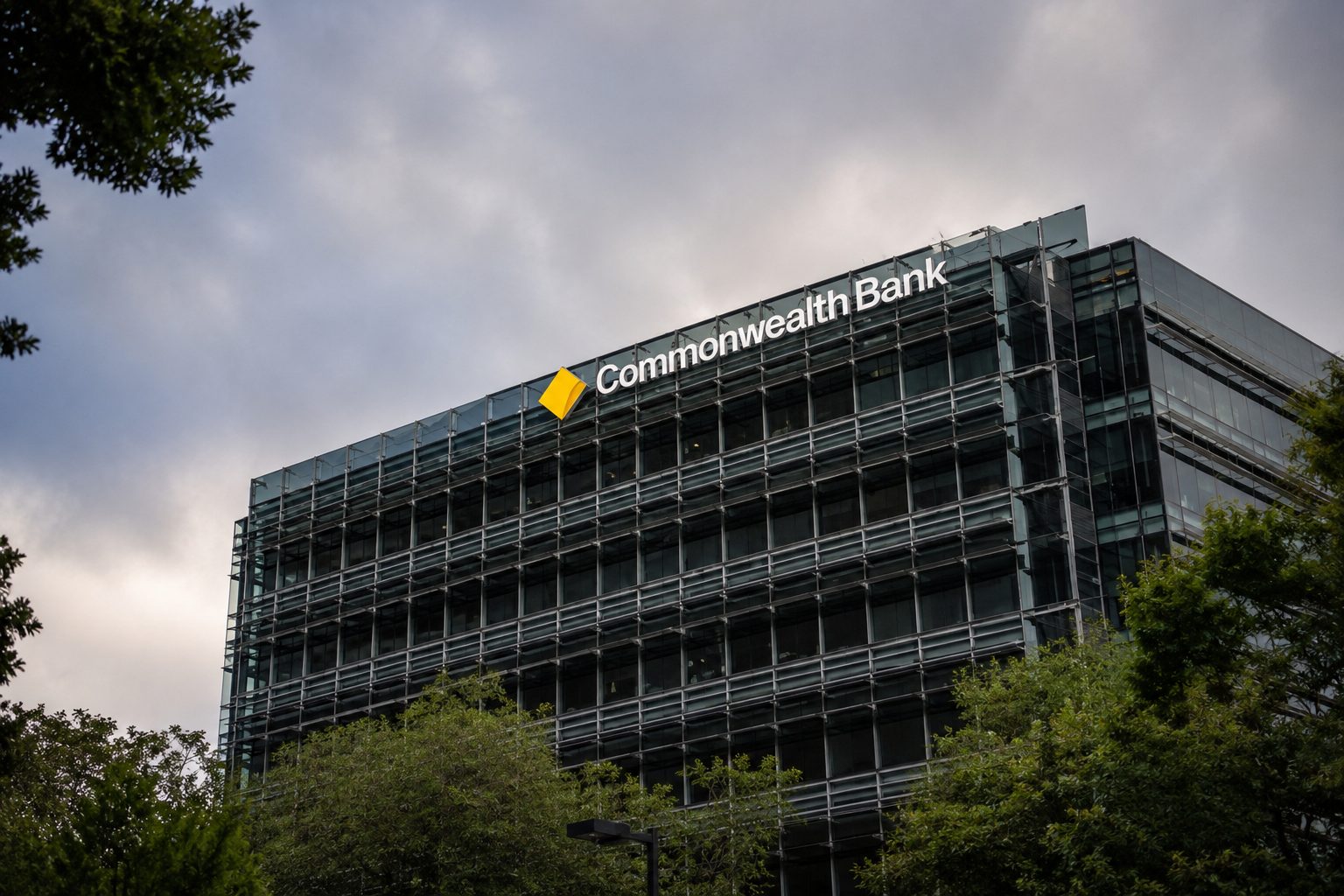
CBA shares gained Tuesday, with the stock up 1.33% to A$162.88 in late trade, after a rough week saw a record drop. Australian shares steadied, but the move wasn’t enough to shake off the pressure from last week. The ASX in Sydney closes at 4:00 p.m. AEST, running weekdays from 9:59 a.m.
CBA’s timing is in focus. The country’s biggest local lender and a key index stock, CBA is moving as investors handle two fresh surprises—rate risk from the Middle East oil shock and new federal budget tax rules that could hit investor mortgages. The S&P/ASX 200 added 99.4 points, or 1.17%, to finish at 8,604.7. Financials jumped 1.72%.
Australian shares climbed after U.S. President Donald Trump put off military action against Iran, which took pressure off oil and bonds. According to Reuters, financial stocks moved higher, with all Big Four banks—ANZ, NAB, Westpac and CBA—trading up in the early session. That put the three laggards into the relief rally alongside CBA, instead of CBA moving alone.
CBA shares sank 10.43% on May 13, their worst one-day drop ever, after missing some profit forecasts. The bank posted a quarterly cash profit of around A$2.7 billion and increased collective provisions by A$200 million, setting more aside for potential loan losses. Chief Executive Matt Comyn cited the Middle East conflict, saying it was “disrupting critical supply chains and contributing to global uncertainty.” Reuters
Reserve Bank of Australia minutes out Tuesday offered little clear direction for bank stocks. The board described policy as restrictive after the 25 basis point hike put the cash rate at 4.35%. Reuters said markets now put high odds on another increase in August, with a peak near 4.60%.
Banks can see better results from higher rates as long as customers keep up payments, but that changes if borrowers pull back or miss payments. So CBA’s net interest margin, which tracks the difference between what it makes on loans and what it pays out on deposits, remains a key measure. Investors are also watching arrears and loan-loss charges.
Valuation remains a concern. Morningstar analyst Nathan Zaia, in a note after the drop, called CBA shares “materially overvalued.” He pointed to a forward price-to-earnings ratio near 24 and a dividend yield close to 3%, which he said don’t line up well with earnings growth in the mid-single digits. Price-to-earnings shows what investors pay for each dollar of expected profit. Morningstar
Housing puts the next question to the stock. CBA economist Trent Saunders said in a Tuesday note the budget would hit spots where investors are most concentrated. “Apartments, townhouses and lower-priced established dwellings” could feel it more, Saunders wrote. CBA trimmed its forecast for dwelling price growth to 3% for the year to December 2026, down from 5%. The first post-budget auction numbers were mixed, with Sydney logging a preliminary clearance rate at a six-year low. MarketScreener
Consumer confidence stayed weak in May. The Westpac-Melbourne Institute sentiment index gained 3.5% to 83, but it is still well below 100, signalling more pessimists than optimists. “Consumers remain deeply pessimistic,” Westpac’s head of Australian macro-forecasting Matthew Hassan said. Reuters
The rebound might last longer if oil prices keep dropping, bond yields stay steady and housing demand holds up better than expected. But risks remain: a new oil jump, another RBA rate hike, softer investor loan demand or higher provisions could all put pressure on CBA’s premium valuation.
CBA shares bounced on Tuesday, but it isn’t clear the overhang is out of the way. The stock clawed back some losses. The question about its growth value hasn’t gone away.