
New York, Feb 27, 2026, 09:28 EST — Premarket
- Chime shares slipped roughly 3% in premarket trading, following Thursday’s 13.6% surge.
- Fintech is now aiming for its first full year of GAAP profitability in 2026, while its revenue forecast tops analyst estimates.
- UBS bumped its price target up to $27 but stuck with a neutral rating.
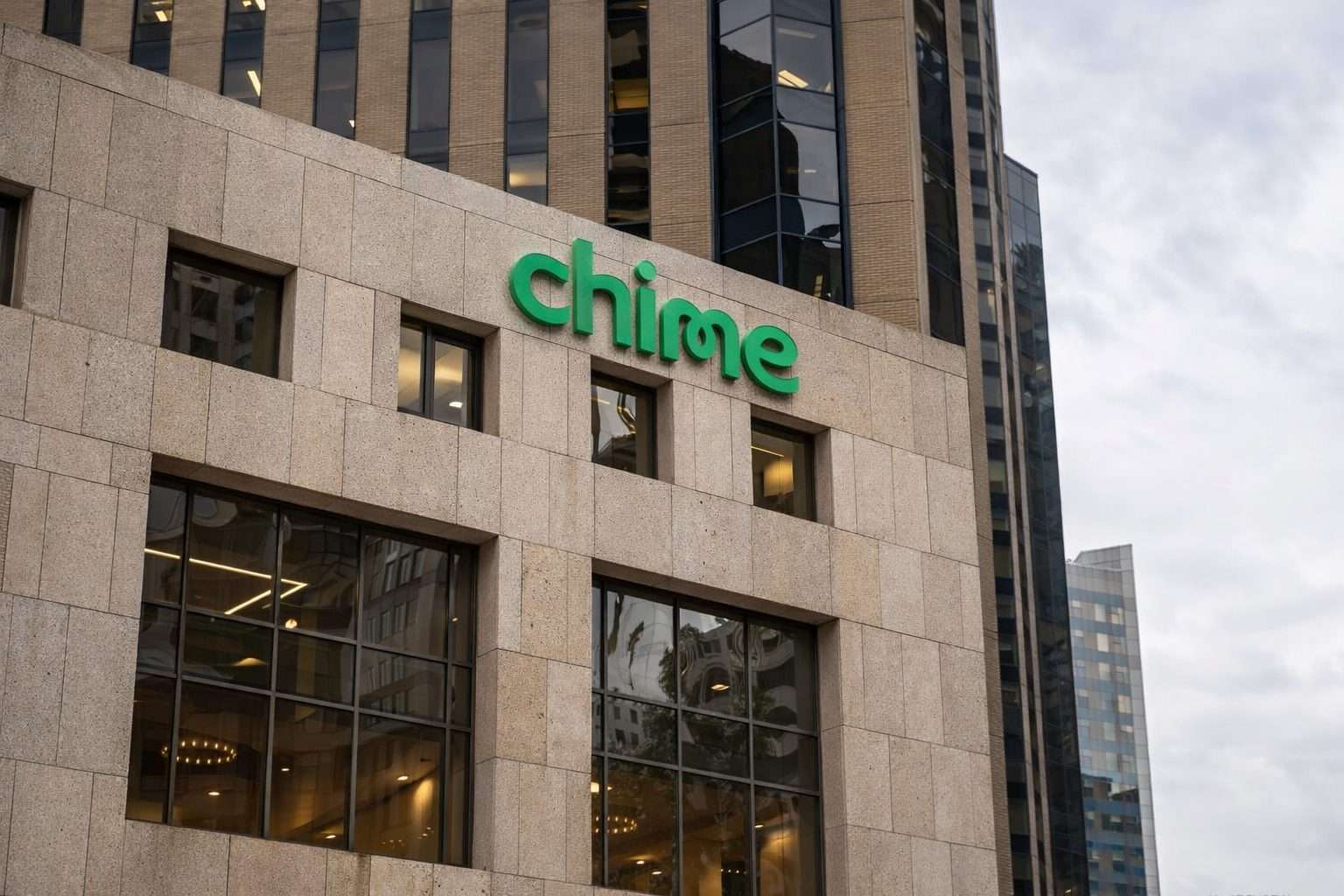
Chime Financial slipped 2.9% in Friday’s premarket, pulling back after a surge triggered by the digital bank’s recent forecast.
Investors got a clear look at the company’s post-IPO progress, and the stock retreated—growth numbers aren’t enough this time; the Street wants profits and no curveballs. At the same time, rate bets are moving again, putting extra pressure on fintech valuations.
Chime finished Thursday’s session up 13.6% at $23.97. Still, shares haven’t managed to claw back above their $27 IPO price from June 2025. The outlook is brighter, but investors haven’t forgotten.
Chime projected 2026 revenue between $2.63 billion and $2.67 billion in its earnings release, adding that it anticipates posting its first full year of GAAP profit that year. For the fourth quarter, the company logged $596 million in revenue. Active membership climbed 19%, reaching 9.5 million.
Chief Financial Officer Matt Newcomb told Reuters the company is zeroing in on “acquiring primary account relationships” held at major players like JPMorgan’s Chase, Bank of America, and Wells Fargo. Newcomb added that consumer spending patterns have remained “very consistent” across different income brackets. Reuters
UBS’s Timothy Chiodo bumped his price target on Chime to $27, up from $24, but held steady with a neutral call, according to GuruFocus.
Shares spiked Thursday on unusually strong volume. About 10.7 million shares traded hands, moving between $22.26 and $24.64, market data show.
Chime’s been steering investors toward fresh revenue sources and focusing on cost controls, calling out its Chime Core transaction processor, along with the recent Chime Card and MyPay launches. On the earnings call, executives emphasized the savings coming from Chime Core and pointed to MyPay’s rollout, while underlining a more disciplined approach to unit economics.
The risk is hard to ignore. Chime’s net loss came in around $1 billion for 2025—most of that tied to IPO-driven stock-based comp. The company is stepping up its game in credit, a space where losses can pile up quickly if consumer health takes a hit.
Chime leans heavily on interchange income, the merchant fees generated each time a card is swiped, according to its prospectus. The company also pitches liquidity offerings with no fees, but those rely on holding down loss rates.
Macro’s in focus too. The Producer Price Index from the Labor Department landed at 8:30 a.m. ET—data closely watched by traders looking to sharpen their inflation and interest-rate bets.
Next up for inflation watchers is the personal consumption expenditures price index, due March 13—just days before the Federal Reserve’s March 17-18 policy meeting. Chime, though, is eyeing a more pressing trigger: will the shares hang onto their post-guidance gains when regular trading kicks off in New York at 9:30 a.m.?