
MELBOURNE, March 30, 2026, 07:03 UTC+11
- Coles has scheduled its fully franked interim dividend—41 Australian cents per share—to be paid out on March 30.
- The payout comes after first-half numbers: group sales were up 2.5%, though reported profit dropped 11.3% due to A$235 million in significant items.
- Woolworths is still putting heat on its rivals, following up a solid half-year profit with brisker early second-half food sales.
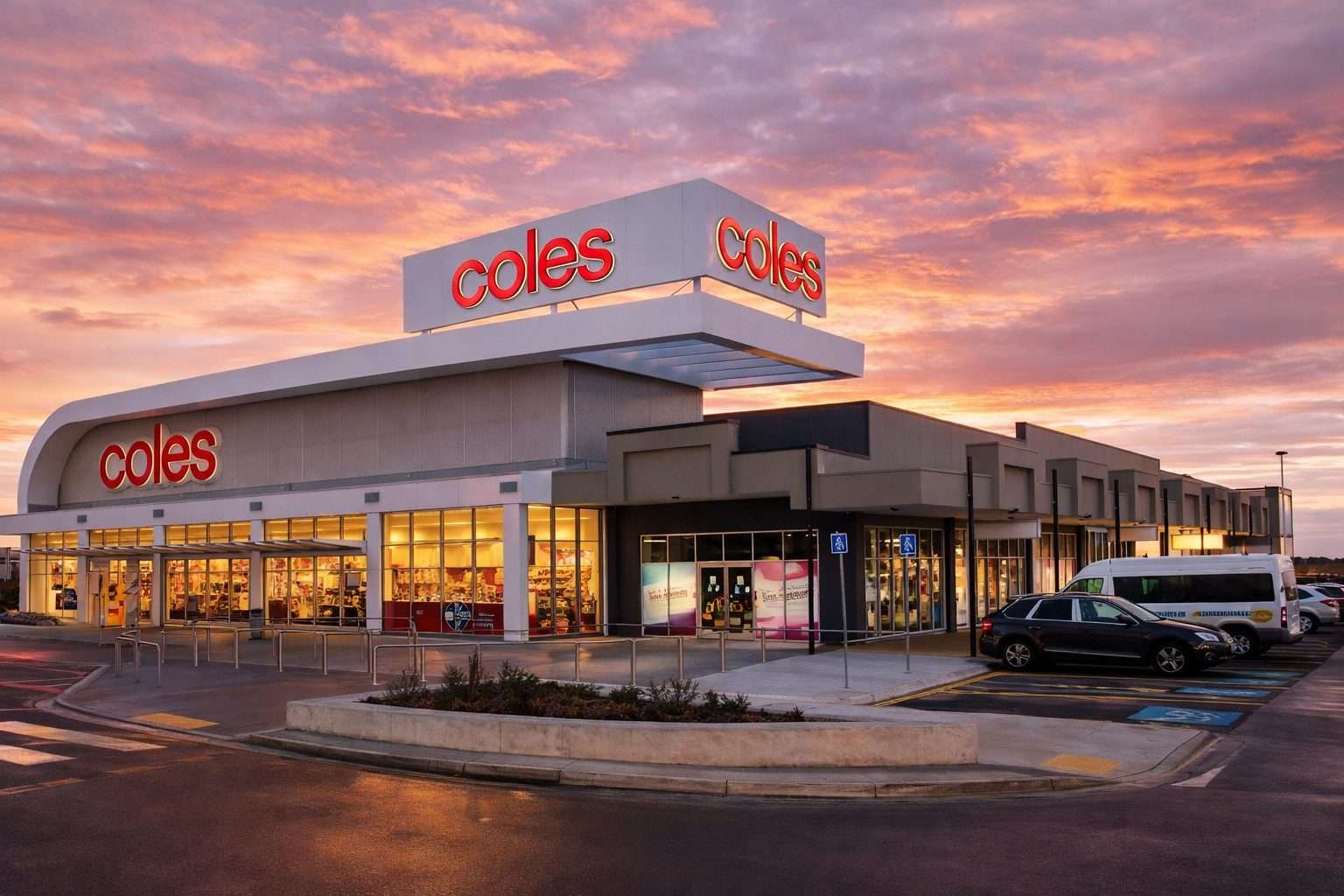
Coles Group is set to pay out a fully franked interim dividend of 41 Australian cents per share on Monday, delivering cash to shareholders as Australia’s second-largest grocer looks to keep its supermarket edge against Woolworths in a more competitive environment.
Timing is key here. Coles’ most recent earnings report painted a mixed scene: headline first-half profit slid 11.3% to A$511 million, dragged lower by A$235 million in significant items linked to a Federal Court decision in the Fair Work Ombudsman case. The core supermarket business, though, managed to turn in better numbers.
Coles Group posted a 2.5% lift in group sales to A$23.6 billion for the 27 weeks ended Jan. 4. The supermarket segment brought in A$21.4 billion, up 3.6%, and supermarket EBIT surged 14.6%. That jump in profits paved the way for Coles to announce the payout now coming due.
For Australian investors, a “fully franked” dividend comes with company tax credits attached. Coles noted that shareholders can opt into its dividend reinvestment plan (DRP), choosing to receive shares in place of a cash payout. Coles Group
Back in February, Chief Executive Leah Weckert described Coles’ latest half as “another solid” performance, even as competition ramped up. Supermarket sales climbed 3.7% in the first seven weeks of the third quarter—or 5.3% if you strip out tobacco. According to Weckert, shoppers are still keeping value “front of mind.” Coles Group
Woolworths isn’t letting up. Back in February, the bigger player posted a first-half profit that topped forecasts, hiked its interim dividend to 45 Australian cents per share, and noted a 5.8% bump in Australian food sales in the first seven weeks of the half—helped by price cuts. Reuters puts Woolworths and Coles at around two-thirds of Australia’s grocery market.
Coles isn’t letting up on its core supermarket business. The company reported a 27% jump in online sales for the half-year, while executives continue to emphasize everyday value, ramped-up weekly specials, and loyalty perks to keep sales momentum going this quarter.
Yet the trouble areas stand out. Liquor sales dropped 3.2% over the half, while liquor EBIT tumbled 37.3%. Coles pointed to a sluggish market and tougher competition, especially in the second quarter.
Another pressure point: Coles flagged roughly A$7 million in one-off expenses coming in the second half, tied to wrapping up the Liquorland streamlining. The Fair Work remediation charge had already dented reported earnings for the first half.
Coles shares wrapped up at A$21.96 on March 27, according to its investor page. Third-quarter sales numbers drop May 1, giving investors their next look at whether the supermarket’s resilience is still counterbalancing weaker liquor results and intensifying competition.