
Melbourne, May 4, 2026, 02:07 AEST
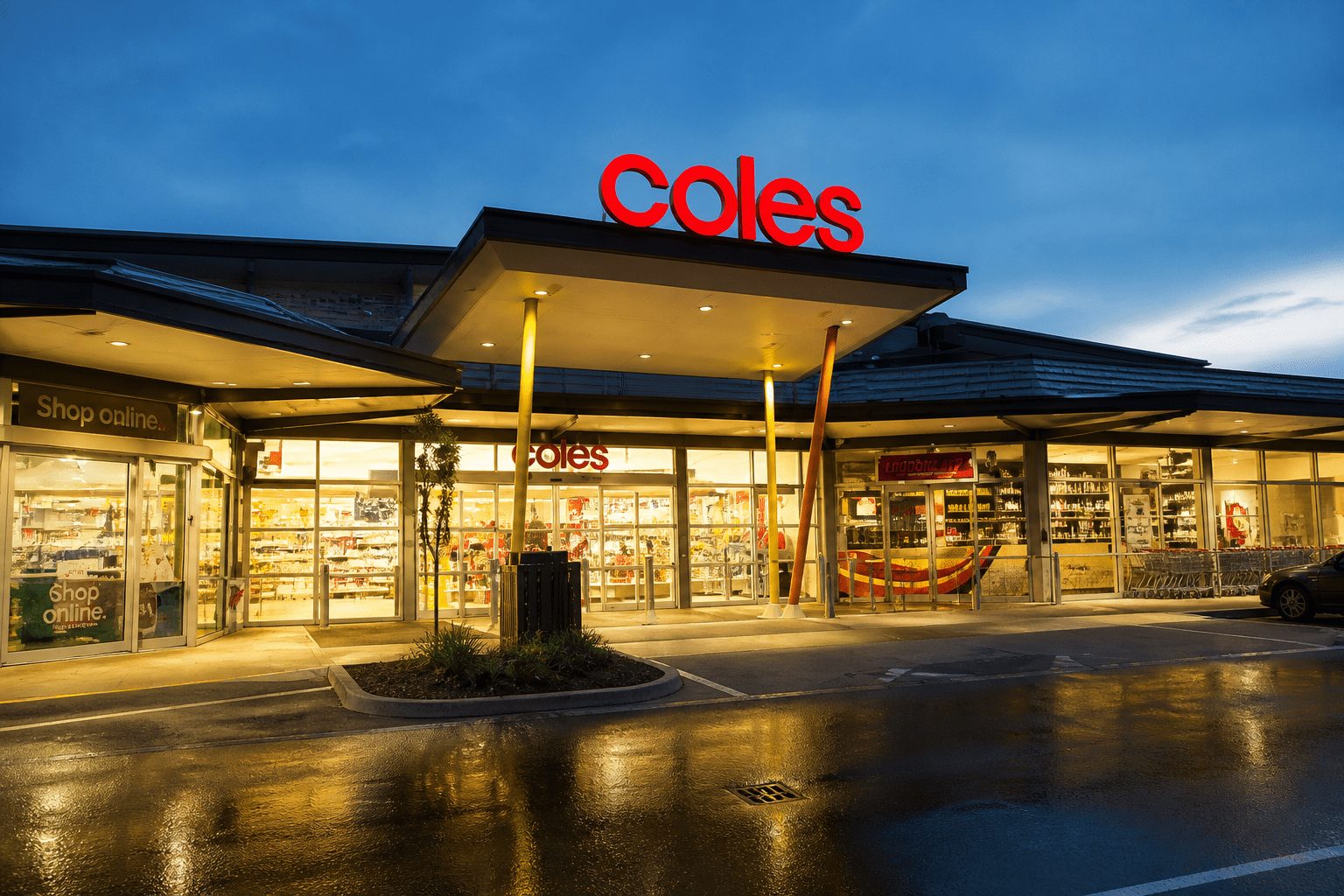
Coles Group Ltd reported third-quarter sales revenue up 3.1% to A$10.70 billion, boosted by robust supermarket performance and a notable surge in online orders. The company also flagged that supplier and operating costs are beginning to bite harder.
It’s a key issue right now: grocery costs are tangled up in Australia’s inflation fight once again. The consumer price index climbed 4.6% for the year through March, according to the Australian Bureau of Statistics. Food and non-alcoholic drink prices moved up 3.1%, while automotive fuel prices jumped a sharp 32.8% just in March.
Coles is sticking to its strategy while Woolworths scrambles to contain the fallout. Last week, Woolworths flagged that cost pressures—fuel and customer support in particular—will likely prevent its Australian Food unit from hitting the upper range of analysts’ forecasts. The company also announced it’s locking in the prices of 300 key household staples for three months.
Coles’ supermarkets unit posted a 4.0% sales increase to A$9.78 billion over the 12 weeks ending March 29. Comparable sales climbed 3.6%, stripping out openings and closures. Excluding tobacco, sales advanced 5.7%. Online grocery was a standout, up 24.8%, with e-commerce now making up 13.6% of total supermarket revenue.
Leah Weckert, the chief executive, described it as “another strong sales result,” though Coles’ outlook hinted at some pressure building. The company noted a pickup in supplier cost price increase requests in the past few weeks, alongside higher expenses for fuel, freight, and packaging. Investing
Before the bell on Monday, the ASX remained closed; regular hours are 10 a.m. to 4 p.m. in Sydney. Latest from Coles: shares finished Friday at A$22.92, a 3.7% gain, per the company’s investor page.
Liquor lagged again, with revenue down 3.9% to A$781 million and comparable sales retreating 4.3%. That’s another signal that buyers remain cautious on discretionary items.
Coles’ group sales came in 0.4% above forecast, according to MarketIndex, as gains in supermarkets made up for weaker results on the liquor side. In its live market wrap, management pointed to a direct fuel cost hit of A$10 million to A$15 million for the fourth quarter and noted supplier price requests are back up at levels last seen during the COVID period.
Jefferies’ Michael Simotas asked if this cost cycle stands apart from past inflation waves, when grocers managed to claw back rising costs yet kept up the value pitch. Anna Croft, Coles’ chief commercial and sustainability officer, described supplier requests focused on fresh categories—meat, dairy, produce—calling the situation “a careful balance.” Investing
Politics here are messy, too. Supermarket pricing is still facing both courtrooms and regulators. On Friday, the Woolworths trial over claims of misleading discounts finished up, according to a Guardian report. That follows the Coles case, heard back in February. Both verdicts should land later this year.
Coles faces a straightforward dilemma: sales are steady, but margins might need to carry extra weight. With fuel and supplier costs elevated, the company either raises prices—testing shopper patience and its own reputation—or swallows more of the hit, squeezing profits. Liquor’s underperformance shrinks its cushion even further.
Coles reported that supermarket sales growth so far in the fourth quarter is roughly tracking the third quarter, after factoring in the impact of Easter and Anzac Day. That steadiness offers a bit of relief on the sales front. Still, the bigger issue—who shoulders the next round of cost hikes—remains unresolved.