
SYDNEY, May 14, 2026, 04:37 AEST
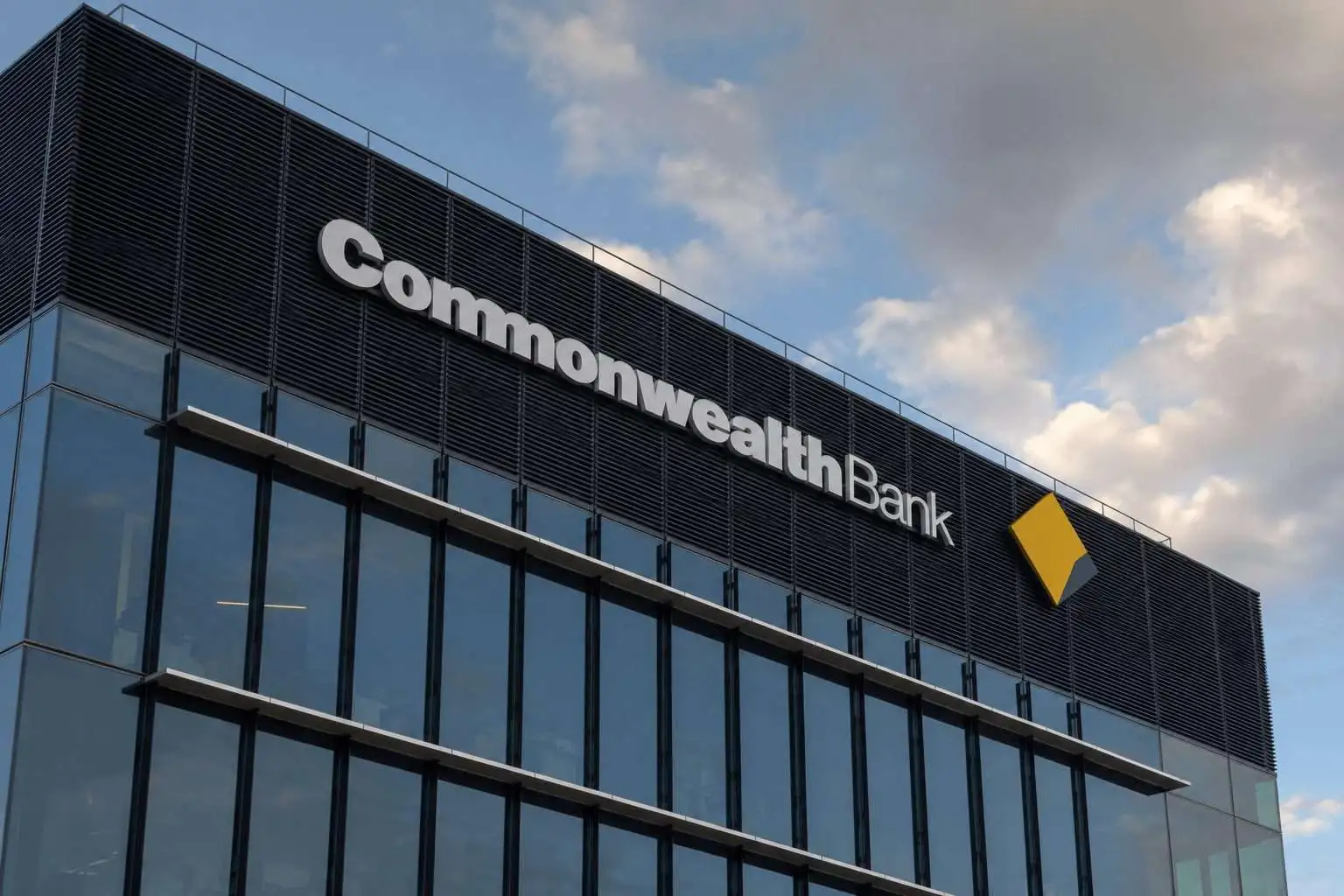
Commonwealth Bank of Australia plunged 10.43% on Wednesday, marking its steepest single-day drop ever. Nearly A$30 billion was erased from the bank’s market value after it boosted its loss provisions and investors braced for slower home-loan growth. The S&P/ASX 200 ended 0.46% lower.
One day after the federal budget unveiled major property tax shake-ups, shares took a hit—especially at a bank with deep exposure to Australia’s housing market. Fresh nerves surfaced as CBA bumped up its collective provisions by A$200 million, padding reserves for possible loan losses and leaning further into the risks of a softer economic outlook.
CBA posted unaudited cash net profit after tax of roughly A$2.7 billion for the March quarter. That’s a 4% gain on the same period last year, but a touch—1%—lower than its first-half quarterly average. According to Reuters, the result landed about 2% short of certain analyst forecasts.
The latest update from the bank revealed operating income held steady. Net interest income edged up 1%, but that gain was wiped out by a dip in other income. Net interest income refers to what the bank pockets on its loans once it’s paid out interest on deposits and other forms of funding.
Chief Executive Matt Comyn pointed out that both households and businesses are feeling the pinch from rising energy prices and interest rates. He also flagged that ongoing conflict in the Middle East is rattling supply chains, fueling uncertainty. “We will continue to adjust our settings as appropriate,” Comyn said in the trading update.
Loan impairment expense climbed to A$316 million—12 basis points of average gross loans and acceptances—up from A$223 million a year earlier, the company and Reuters reported. Consumer arrears ticked higher, and the quarter saw more corporate troublesome and non-performing exposures. Personal-loan arrears hit 1.71% for loans past due more than 90 days.
Pain spread across the sector. Westpac slipped 3% after Reuters pointed out its status as Australia’s second-largest mortgage lender. Shares in National Australia Bank gave up 2.6%, with ANZ dropping 1.65%. Morgan Stanley analysts see Australian mortgage growth cooling to roughly 5.5% by 2027, down from 7.5%, and project investor loan growth to slide to 7% from 10%.
The government is targeting those worries directly with its new budget blueprint. Starting July 1, 2027, the 50% capital gains tax discount is set to be axed. Instead, capital gains will be taxed on an inflation-adjusted basis, and there’s a floor: at least 30% tax on net gains. Negative gearing rules are also changing; only new builds will let investors write off rental losses against their taxable income.
Trent Saunders, a senior economist at CBA, said in a note that the latest suite of tax changes is expected to pull house prices down by just under 3% compared with where they would have been. He now sees dwelling price growth coming in at 3% through December 2026, trimming back his earlier call for 5%. Saunders also flagged a likely dip in turnover, with some investors expected to hang onto properties to preserve access to older tax settings.
Rates remain under scrutiny. On May 5, the Reserve Bank of Australia lifted its cash rate by 25 basis points to 4.35%—marking the third hike this year—and flagged persistent inflation threats, blaming elevated fuel costs and ongoing turmoil in the Middle East.
Traders still largely expect the RBA to hold steady in June. On Kalshi, odds for no move sit at 65%, with just 22% seeing a small hike of up to 25 basis points. Polymarket’s numbers come in higher for status quo—about 80%—with “Increase” trailing at 21%. Kalshi
Belinda Allen, CBA’s Head of Australian Economics, said the central bank could afford to watch economic developments following the May rate increase. Still, she warned, “A further rate hike cannot be ruled out, depending on the data.” Allen pointed to several areas to keep an eye on: budgets at both federal and state levels, wage outcomes, consumer spending, and inflation data for the June quarter. CommBank
Cameron McCormack, senior portfolio manager at VanEck, noted CBA’s latest update took on a more cautious tone as arrears moved higher in personal loans, home loans, and credit cards. “Provisioning has been stepping up across the major banks this reporting season,” he said, highlighting the mounting pressure from restrictive monetary policy. Investor Daily
There’s a risk the pressure could filter through more quickly than markets anticipate. If the conflict in the Middle East drags on, fuel prices and inflation might stay elevated, potentially forcing the RBA back into tightening mode and putting additional strain on borrowers already struggling with repayments. Lower housing turnover would then eat into the volume growth banks rely on to make up for margin squeeze.
CBA is still sitting on a solid capital buffer. As of the end of March, the bank reported its common equity tier 1 ratio at 11.6%, clearing the Australian Prudential Regulation Authority’s 10.25% threshold. Customer deposits made up 79% of its funding, and liquidity metrics remained comfortably above what regulators require.