London, Feb 24, 2026, 08:29 GMT — Regular session
- Compass Group shares hovered near flat in early London trading, following their drop on Monday.
- Investors have their eyes on the final dividend slated for Feb. 26, plus a switch in trading currency coming up in April.
- The next results event lands on May 11, with the half-year report scheduled.
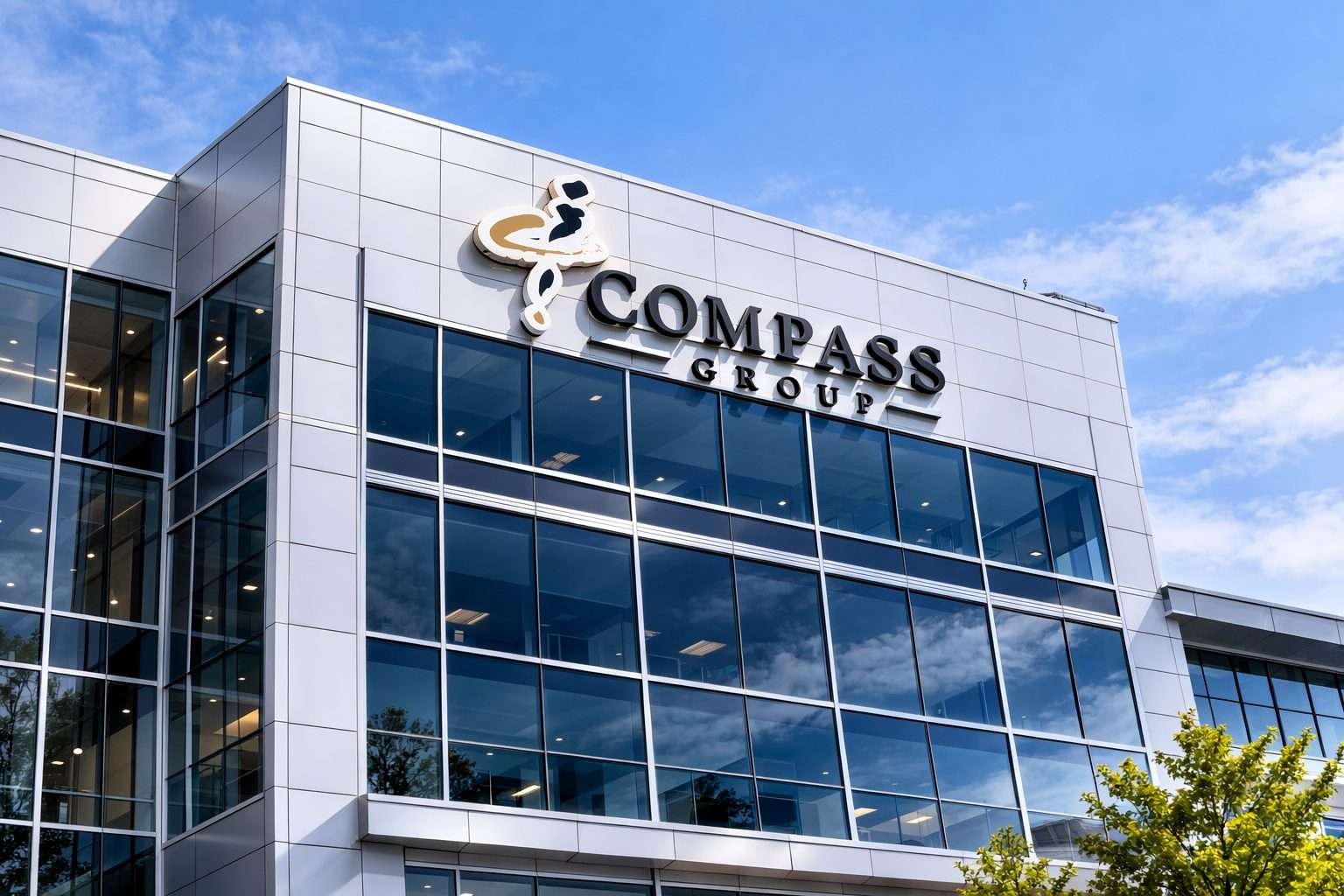
Shares of Compass Group PLC (CPG.L) dipped 0.1% to 2,153 pence as of 0829 GMT, the stock slipping after some early volatility, but staying near its previous closing level.
Shares closed down 2.6% on Monday at 2,155 pence, lagging a FTSE 100 that finished unchanged. MarketWatch data indicates the stock is trading roughly 24% below its 52-week peak.
Timing comes into play here, with Compass scheduled to pay its final 2025 dividend on Feb. 26. That tends to attract yield-seeking investors ahead of the date, while some holders might scale back positions once the payout drops off. The company has fixed the sterling equivalent at 31.75 pence per share, a figure derived from an exchange rate locked in via forward contracts.
Earlier this month, Compass stuck with its fiscal 2026 outlook, pointing to roughly 7% organic revenue growth — that’s excluding impacts from currency swings and deals — and targeting about 10% underlying operating profit growth at constant currency. The group also plans to release its half-year numbers on May 11. Another change: starting April 1, Compass will shift its London trading currency from pounds to U.S. dollars.
Investors are still sorting out what counts as “normal” demand in workplace catering, with corporate clients reevaluating their office setups and turning to automation. CEO Dominic Blakemore, speaking to analysts this month, framed artificial intelligence as more of an opportunity than a threat for the company. But JPMorgan analysts weren’t convinced, calling the update “unlikely to be sufficient to improve sentiment.” Reuters
It’s a bumpy ride for European consumer and services stocks, with shifting rate bets and ongoing growth anxiety knocking both defensives and cyclicals around, sometimes in a matter of days. Companies like Sodexo and Aramark, for example, are caught in the constant crosscurrent of corporate demand and a sharp focus on margins.
One of the main risks here: worries about AI taking jobs could mean emptier offices and a hit to meal numbers, particularly among white-collar clients. If volumes soften, or if food and labor costs pick up again, margins might get squeezed—even if top-line revenue looks stable.