
HONG KONG, April 8, 2026, 21:04 HKT
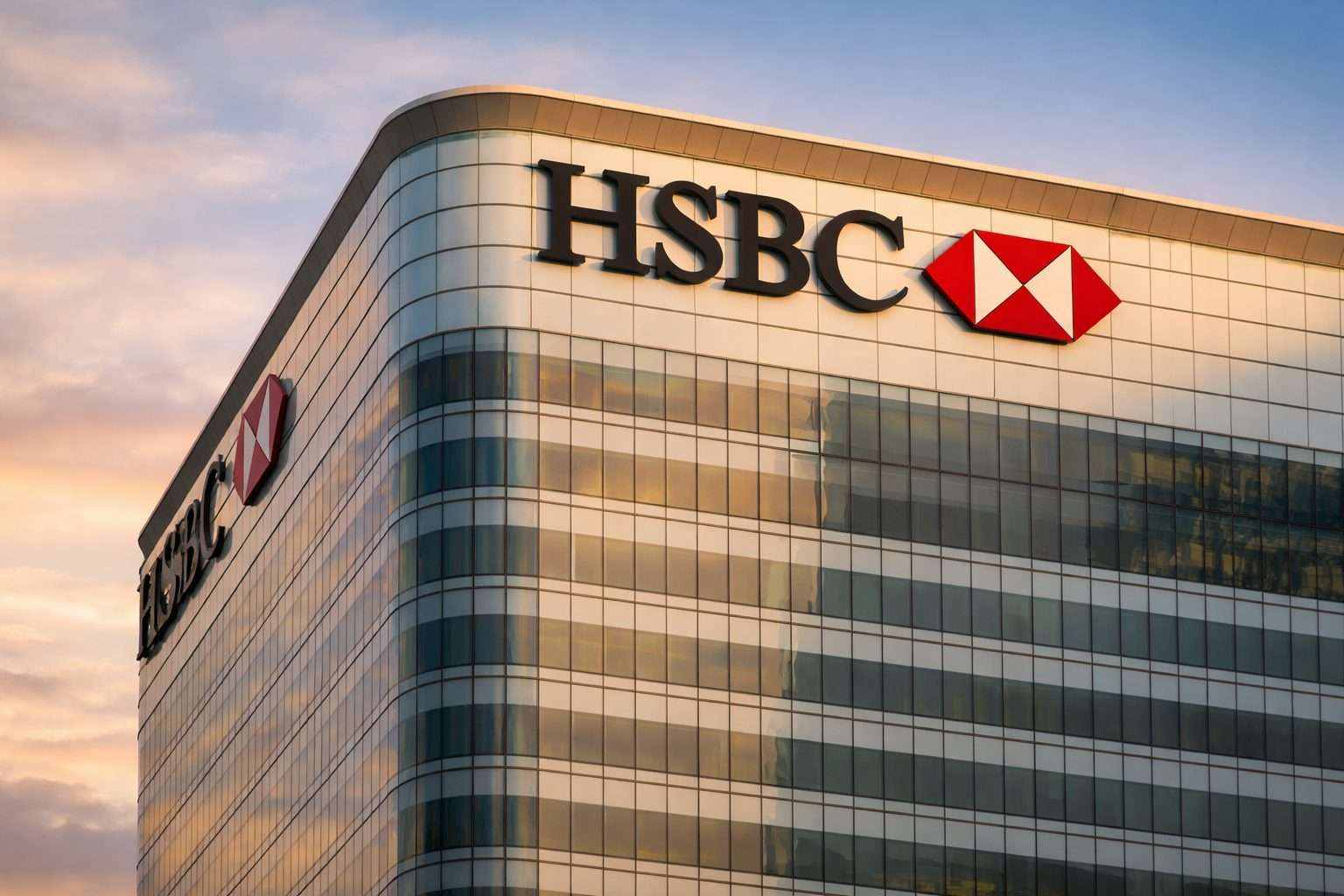
Shares of HSBC Holdings surged 6.6% to finish at HK$138.60 in Hong Kong trading Wednesday, after U.S. President Donald Trump declared a two-week ceasefire with Iran. That move trimmed concerns about the bank’s exposure to the Middle East and sent oil prices sliding beneath $100 a barrel.
This shift is significant: HSBC has spent months pitching investors on the idea that stronger connections between Asia and the Gulf would drive its next growth chapter. That narrative took a hit when the Iran war broke out, putting trade through the Strait of Hormuz—a chokepoint for roughly 20% of global oil flows—at risk. Banks with larger operations in the region, including HSBC, have come under pressure.
Banks rallied hard on Wednesday. European lenders climbed 6% to 7%. Reuters, quoting sources last month, said HSBC and Standard Chartered faced some of the biggest exposures globally after the fighting pushed HSBC to shut its Qatar locations.
Back in March, Chief Executive Georges Elhedery maintained that HSBC’s view on Gulf Cooperation Council economies hadn’t budged. He’d previously told investors the “Asia-Middle East corridor is becoming a defining axis of global growth.” Over the past five years, according to Reuters calculations, HSBC’s UAE and Saudi Arabia operations have delivered roughly 5% of group profit each year. Reuters
The context looms large for a bank still working through its overhaul. Back in February, Europe’s biggest lender bumped its RoTE target to at least 17% through 2028, after 2025 pretax profit came in ahead of forecasts. Still, one-off charges dragged reported pretax profit down by 7% to $29.9 billion.
HSBC is pushing deeper into tech to reach its targets. On March 23, the bank tapped David Rice as its inaugural chief AI officer. Generative AI is drawing the largest share of new-tech investment, according to Elhedery, as HSBC aims to automate workflows and cut costs with software capable of churning out code, text, and analysis.
Competition remains intense. Standard Chartered has rolled out its own Gulf expansion, and both JPMorgan and Citigroup are stepping up efforts in the region, looking to tap into trade, capital, and wealth flows linking Asia with the Middle East.
But the rebound doesn’t end the debate. “Some of the residual risks are still out there,” said Kiran Ganesh, multi-asset strategist at UBS Global Wealth Management, speaking Wednesday. Westpac’s Martin Whetton echoed the caution, noting investors probably won’t put new money at risk unless the ceasefire holds and transforms into durable peace. Reuters
Eyes are now on May 5, when HSBC will post its first-quarter numbers. Investors will scan for signs that steadier energy prices are feeding loan growth, and scrutinize how management juggles cost discipline against ongoing restructuring and AI spending.