FRANKFURT, March 7, 2026, 07:43 CET
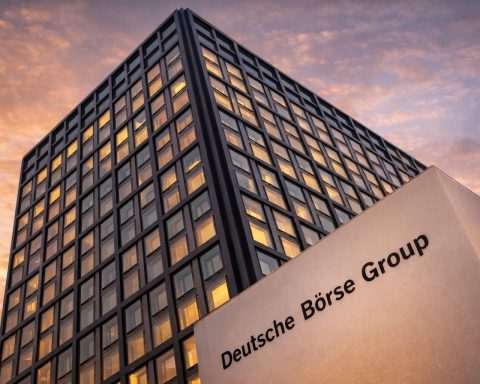
Germany’s DAX, Deutsche Börse’s benchmark index of 40 major listed companies, ended Friday at 23,591.03, down about 6.7% from 25,284 a week earlier in its worst week in about a year. Europe’s broad STOXX 600 lost 5.5%, and Frankfurt joined Paris in posting the sharpest weekly decline since April last year. 1
The move matters because investors are now trying to price softer growth and dearer energy at the same time. U.S. nonfarm payrolls, the monthly jobs count, fell by 92,000 in February against expectations for a 59,000 increase, unemployment rose to 4.4%, and Brent settled at $92.69 after touching its highest level since September 2023. 2
That mix lands hard in Germany. The DAX is heavy with exporters, and the benchmark hit a three-month low on Tuesday as investors weighed a longer Middle East war and the inflation sting of higher oil. 3
Company news made the early-week selling worse. Nivea maker Beiersdorf dropped more than 12% after warning that 2026 core operating margin, a key profitability measure, would come in slightly below 2025 as raw material costs and currency moves bite. 4
The market did try to bounce. The DAX rose 1.7% on Wednesday, its biggest one-day gain since May, after a New York Times report suggested Iranian intelligence operatives were open to talks; Kathleen Brooks of XTB said “the merest whiff” of a resolution was enough to bring buyers back. 5
That relief did not last. On Thursday the STOXX 600 closed 1.3% lower, export-heavy industrial shares led the retreat, Siemens Energy fell about 6%, and AJ Bell’s Danni Hewson said it was becoming “harder to see a quick resolution” to the conflict, forcing markets to revisit the path for interest rates. 6
Fresh German corporate news added to the pressure. Adidas fell more than 7% after forecasting 2026 operating profit of 2.3 billion euros, below analyst expectations, as U.S. tariffs, a weak dollar and Middle East disruption darkened the outlook. 7
Volatility did not stop defense from staying in focus. Rheinmetall said on Friday the Iran war validated plans to expand missile production in Germany and Spain. 8
In index news, STOXX, the Deutsche Börse-owned index business, said there would be no changes to the DAX or TecDAX in the March quarterly review, while the MDAX and SDAX will be reshuffled from March 23. 9
The risk now is that the oil move stops looking like a short shock and starts acting like a longer squeeze. Options and futures traders still seem to read the disruption as temporary — former Goldman Sachs energy specialist Brian E. Kinsella said “the market is betting it’s logistical” — but the White House has already asked agencies for stronger options to tackle soaring energy prices if shipping through the Strait of Hormuz stays constrained. 10