
TORONTO, March 7, 2026, 01:32 EST
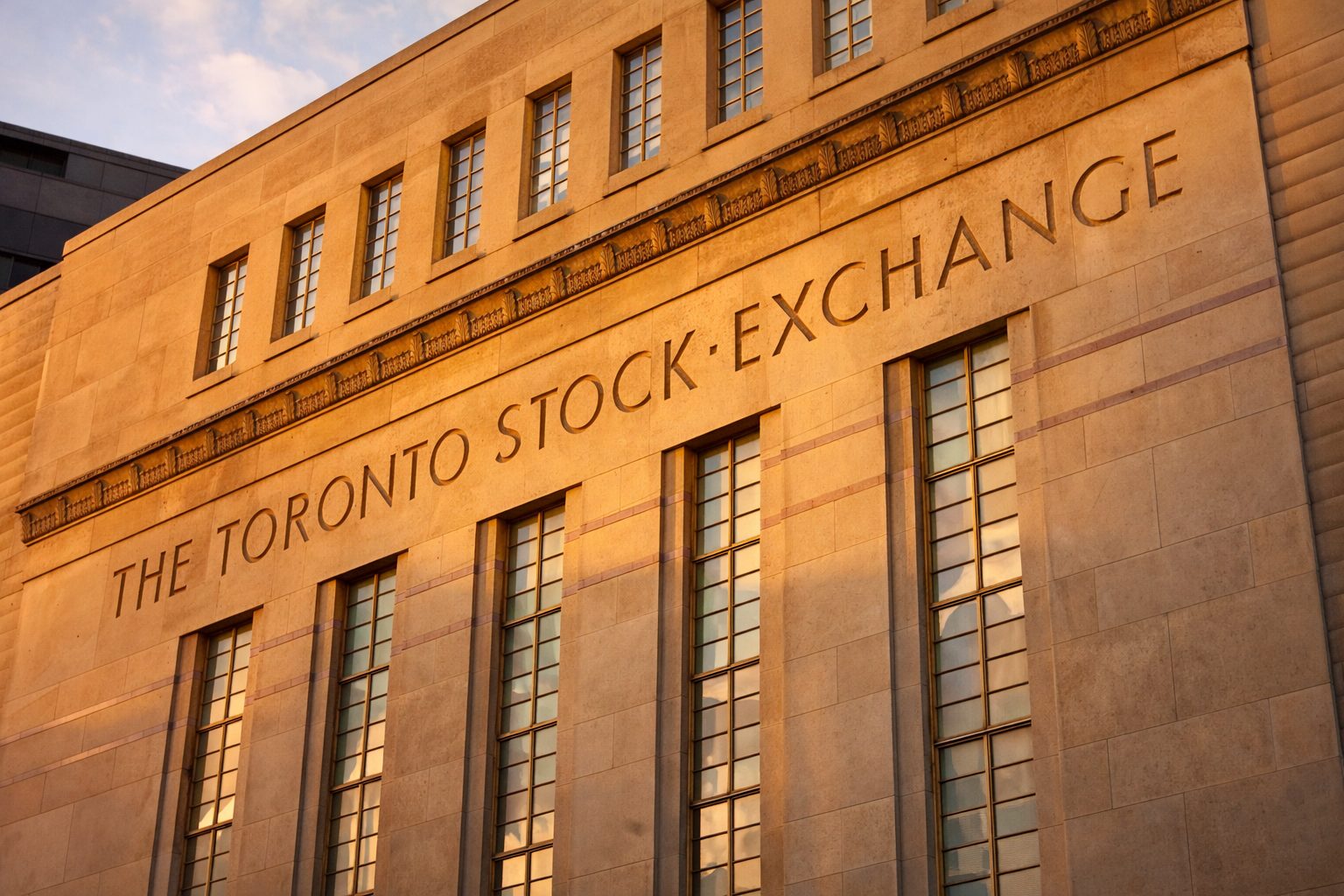
Canada’s main stock index slumped to a two-week low on Friday, wrapping up its roughest week in more than a month as surging oil prices and inflation jitters dragged down almost every major sector. The S&P/TSX Composite Index settled at 33,083.72, a 1.6% drop for the session and down 3.7% for the week. Nine out of ten sectors finished in the red, with financials off by 1.9%, industrials down 2.4%, and consumer discretionary sliding 2.8%. Still, the index remains up 4.3% for the year, after notching a 28.25% jump in 2025.
The drop stands out against a late-February Reuters poll, where strategists had predicted more record highs for the TSX this year. Their reasoning? The index’s tilt toward financials, industrials, and resource-heavy stocks was supposed to ride the global cyclical rebound. So, last week’s sudden reversal landed harder than a typical dip.
Oil jumped after the Strait of Hormuz, a Gulf corridor moving nearly 20% of global crude, was shut down by the conflict. As the disruption drags on, investors warn it could fuel inflation, stall growth, and put pressure on the outlook for further rate cuts.
Monday saw the TSX jump 0.6%, hitting a fresh high at 34,541.27, with energy stocks up 1.8%. The latest manufacturing PMI for Canada clocked in at 51.0, the best reading in over a year. Philip Petursson at IG Wealth Management pointed out that Canada’s market remains “so leveraged to oil”—tensions involving Iran don’t always spell trouble for domestic investors. Reuters
The trade had already unraveled by Tuesday. The index fell 2.2%. Materials—mostly miners—tumbled 7.2%, and gold dropped 4.3%. “Investors realized the war could last a while,” said Colin Cieszynski of SIA Wealth Management, and that sent mining stocks lower. Reuters
Markets managed a 0.5% lift Wednesday, paced by tech’s 2.2% gain and a sharp 6% move higher for Shopify. SSR Mining shot up 14.6% following the $1.5 billion cash sale of its 80% holding in the Copler mine in Turkey. Still, the advance came with a note of restraint: Canada’s services sector shrank for a fourth consecutive month. “Take a pause” on portfolios, advised Michael Sprung at Sprung Investment Management. Reuters
Selling pressure picked up on Thursday. The TSX slipped 1%, dragged lower as materials tumbled 3.9%. Brian Madden at First Avenue Investment Counsel pointed out that the index’s tilt toward gold and energy didn’t shield it from “the broad-based de-risking.” Energy shares managed a 0.9% move higher, buoyed by oil’s sharp 8.5% rally. Canadian Natural Resources and Kinaxis also advanced following their earnings prints. Reuters
But it wasn’t all weakness. The Canadian dollar managed a 0.5% gain for the week, outshining other major developed currencies. The Ivey Purchasing Managers’ Index jumped to 56.6 in February, marking a five-month high and staying above the 50 threshold that points to expansion. Yet the Ivey employment component edged down to 49.4, suggesting cracks beneath the surface at home.
Toronto wasn’t alone. The S&P 500 slipped 2.02% over the week. Europe’s STOXX 600 fared worse, tumbling 5.5%—its steepest weekly slide in nearly a year. Both benchmarks stumbled as oil’s surge and softer U.S. jobs numbers rattled risk appetite.
Toronto faces a familiar risk: oil could be back in the driver’s seat next week, overshadowing earnings. Investors are bracing for any escalation in the Middle East conflict and watching for supply disruptions, with U.S. inflation numbers also on deck. State Street’s Michael Arone flagged oil climbing past $100 a barrel as something that would “spook markets more,” while a stronger inflation print wouldn’t do equities any favors. If crude retreats or diplomatic moves materialize, that could take the heat off, but last week’s action made it clear—TSX momentum is all about energy right now. Reuters