
New York, March 2, 2026, 13:42 EST — Regular session
- U.S. gasoline futures climbed, with oil markets recalculating supply and shipping risks linked to the conflict in the Middle East.
- Analysts say U.S. pump prices could climb back above $3 a gallon, with wholesale markets still sorting themselves out.
- Inventory numbers and hints about emergency reserves are grabbing traders’ focus.
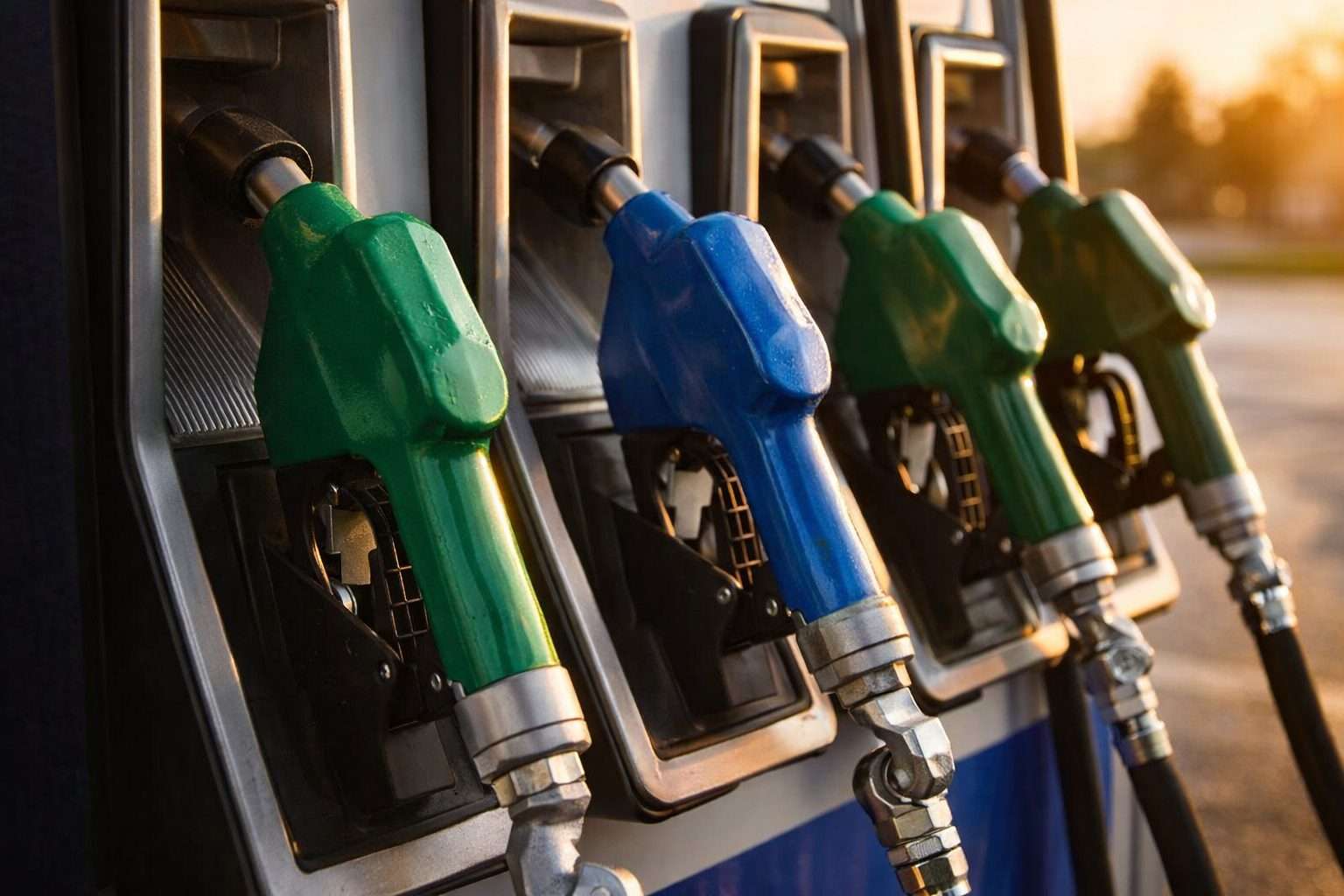
Gasoline futures in the U.S. jumped Monday, with the front-month RBOB contract gaining 7.7 cents, or 3.3%, to $2.3620 a gallon. Earlier in the session, prices hit $2.4218 as the entire energy complex moved higher, crude among them, with traders factoring in new supply risks.
For consumers, the timing stings. Gasoline prices show up in inflation data fast — and they hit wallets earlier than most other energy bills.
Refiners and blenders are already switching to spring and summer-grade fuel, a seasonal change that typically squeezes supply and drives prices higher—even before factoring in geopolitical jolts. This move lands as those shifts are underway.
Iran announced the closure of the Strait of Hormuz to navigation following U.S. and Israeli strikes, prompting major shipping firms to steer clear after analysts reported damage to at least three tankers. Patrick De Haan at GasBuddy flagged the possibility of the U.S. average pump price topping $3 a gallon, saying, “Oil will move first. Gasoline will follow — but gradually.” Tom Kloza, a fuel-market adviser, said prices were already tracking toward $3.10 to $3.25 a gallon before this latest flare-up, while noting that elevated U.S. gasoline inventories could help cushion part of the blow. Reuters
For now, Washington isn’t moving to tap emergency crude supplies. “Not currently being discussed,” a U.S. source said of possible Strategic Petroleum Reserve sales, noting oil markets are “well supplied.” The SPR holds over 415 million barrels. Reuters
U.S. Gulf Coast gasoline cash prices jumped over 5% in morning dealings, according to Argus, while barrels moving on the Colonial Pipeline gained almost 7 cents, trading near $2.101 per gallon. Still, Argus noted, any sustained rally faces headwinds: the regional gasoline market is flush with supply and exports remain sluggish.
Turbulent conditions persist. Oil and refined fuels jumped following strikes and reprisals that rattled Middle East production and trade routes. Analysts flagged “heightened volatility” as tankers shifted course. U.S. diesel futures climbed to nearly $2.90, touching a two-year peak, while OPEC+ signed off on a 206,000-barrel daily output increase for April, according to Reuters. Reuters
Still, it’s hardly a sure bet. Should tanker flows pick up or repairs wrap up sooner than traders are pricing in, any gasoline risk premium could unwind quickly—especially since U.S. stockpiles aren’t exactly tight right now.
Retail prices are hovering just under the threshold. The AAA national average for regular unleaded hit $2.997 a gallon on Monday—a bump of roughly 1.3 cents from the prior day and up nearly 6 cents compared to last week.
Coming Tuesday, traders will zero in on the latest industry stockpile numbers from the American Petroleum Institute. By Wednesday, attention shifts to the U.S. Energy Information Administration’s Weekly Petroleum Status Report, out after 10:30 a.m. Eastern.