NEW YORK, March 5, 2026, 01:00 (EST)
- Options traders just marked the euro’s vulnerability to its highest level in at least a year, with Europe’s energy shock dragging sentiment lower.
- Funds kicking off 2026 with bets against the dollar have had to scale back risk, putting pressure on “short-dollar” trades.
- Strategists flagged a greater risk: a dollar funding squeeze could worsen if the conflict drags on and demand for greenbacks accelerates.
This week, the U.S. dollar stuck close to its latest peaks. The Iran war sent energy prices sharply higher, prompting investors to shell out for euro downside protection.
The pivot is catching up to markets now. For most of 2026, traders had loaded up on the opposite side—expecting a weaker dollar and brighter prospects overseas. Instead, the conflict upended those trades, rattling inflation forecasts in Europe and sending investors scrambling to trim positions in a hurry.
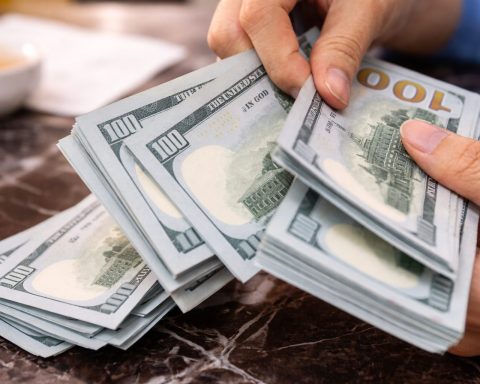
Oil and gas prices are driving the currency shift. According to Barclays, each $10 jump in oil could lift the dollar by about 0.5% to 1%. That kind of move risks creating a feedback loop if pricier dollar-denominated energy ramps up pressure overseas. 1
The dollar pulled back from multimonth peaks on Wednesday as risk appetite made a comeback, though it still held its ground against top currencies. The euro managed to climb 0.2% to $1.1632 after dropping to its lowest mark since late November just a day before. Over on the dollar index, a 0.3% decline brought it to 98.83, after reaching its highest level since Nov. 28, according to Reuters. 2
Eugene Epstein, who heads trading and structured products at Moneycorp in New Jersey, called it “retracing some of the safety” accumulated earlier in the week, when headlines suggested the conflict might not drag on.
Options traders aren’t mincing words. Three-month contracts that benefit from a weaker euro just hit their widest premium over bullish options since March last year, LSEG data cited by Reuters shows. The price gap signals traders are shelling out for downside protection.
Jeremy Stretch, who leads G10 FX strategy at CIBC Capital Markets, put the focus squarely on natural gas prices for Europe’s energy costs. “It’s all about natural gas prices,” he said, adding that any hiccup in supply could make things “more problematic” for the euro zone.
According to the Financial Times, that “sell first, ask later” mood has steamrolled trades that had been winners earlier this year—bets against the dollar and on non-U.S. stocks have been quickly unwound. “Nowhere to hide,” said Gerry Fowler, UBS’s head of derivatives strategy, as investors raced to slash risk across the board. 3
Trevor Greetham, head of multi-asset investing at Royal London Asset Management, pointed to a “reversal of the trades” that had been paying off. MUFG’s Lee Hardman called the rush a “squeeze in crowded short dollar” positions—traders betting against the greenback. Société Générale’s Kit Juckes told the FT he sees this “reset” in major exchange rates sticking around, regardless of whether the fighting winds down quickly.
It’s not just the market’s direction causing headaches—funding is in the spotlight, too. Jamie McGeever at Reuters pointed out the danger of a more severe dollar liquidity crunch. If the conflict grinds on and investors keep yanking cash from riskier assets, a real scramble for dollars could follow. 4
Matt King, who founded Satori Insights, said the recent jump in the dollar isn’t really about a sharp shift in growth or inflation expectations. Instead, he sees it as a “money flow” move, with investors exiting packed trades and chasing liquidity.
Bank for International Settlements numbers, reported by Reuters, show the dollar involved in 89% of global FX trades—no other currency comes close, with the euro at a distant 29%. The dollar’s piece of world reserves has dropped to 57%, down from over 70% back in the early 2000s. But University of California, Berkeley’s Barry Eichengreen flagged a bigger concern: “much more worried” about the turbulence a shift might trigger, he said. “Very delicate point in time,” is how he put it.
Even so, the trade could turn once more. A breakthrough toward negotiations, less pressure on energy supplies, or central bank action to relieve dollar funding stress—all of these might sap demand for safe havens. Some strategists warn markets might have overcorrected on inflation and rate projections in that initial move.