
London, March 13, 2026, 20:20 GMT
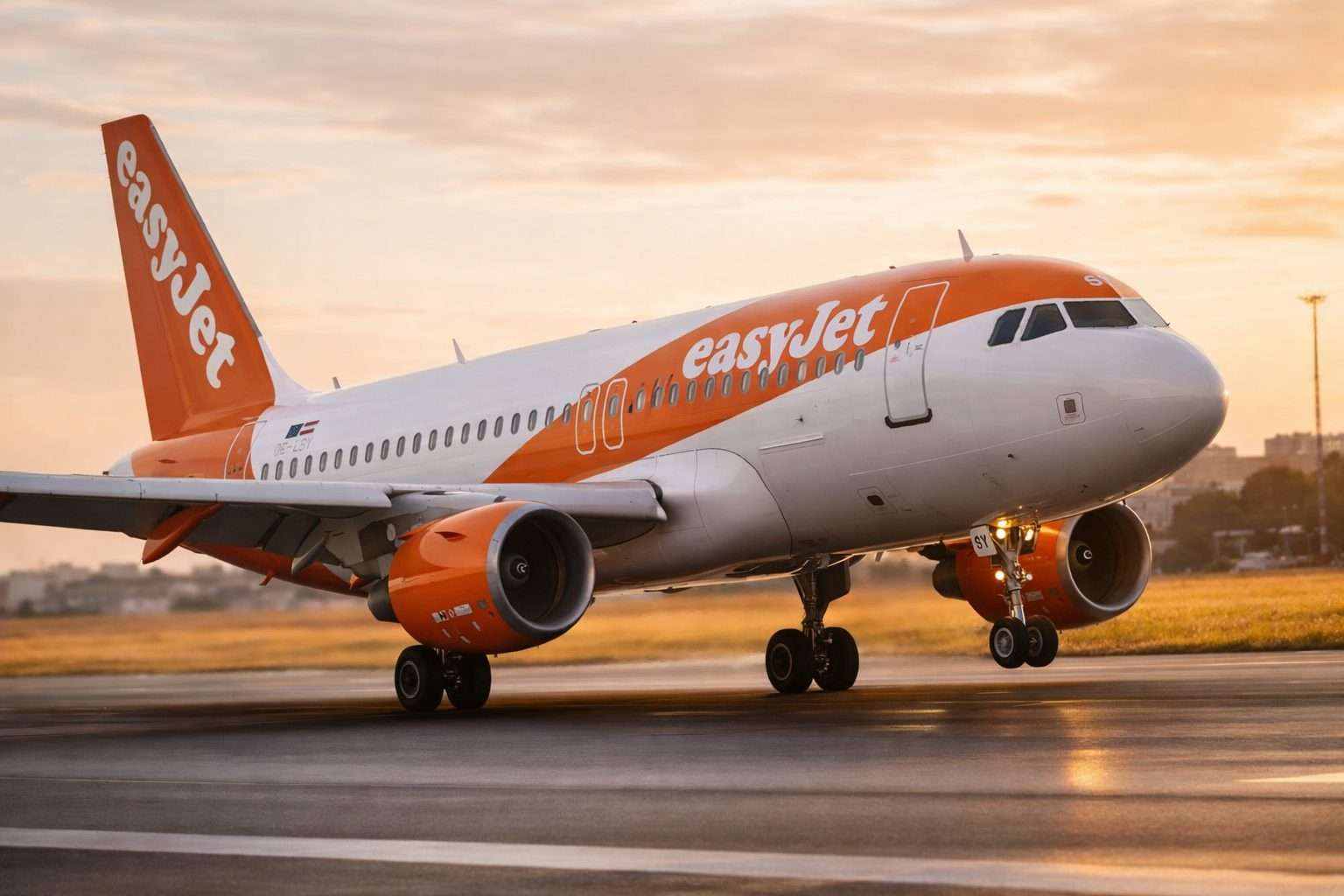
easyJet shares slid 2.99% to 369.4 pence on Friday, MarketScreener data showed, capping a five-day loss of 9.66%. The stock has now fallen 27.65% since the year began.
This shift lands at a tricky moment: oil is back over $100 a barrel, right as European airlines ramp up for summer bookings. Jet fuel has spiked sharply—Reuters put it at $150-$200 a barrel, up from $85-$90 just days ago. Goldman Sachs on Friday also bumped its average Brent price target for March above $100.
Britain’s wider economic picture isn’t offering much relief. Both the FTSE 100 and FTSE 250 slipped roughly 0.4% on Friday, chalking up their second consecutive weekly drop. Berenberg analyst Jonathan Stubbs flagged “the real risk” to growth and hopes for rate cuts if the Strait of Hormuz remains shut and energy prices refuse to ease. Reuters
Carriers are grappling with more than just higher crude prices. Reuters said Thursday that jet fuel costs have shot up twofold since the Iran conflict started—blowing past the gains in oil itself. Bank of America transportation analyst Nathan Gee noted low-cost airlines catering to price-conscious travelers “get squeezed the most.” Reuters
easyJet has its bases covered when it comes to fuel. According to January figures from the company, cited by Reuters, hedges are in place for 84% of its fuel requirements through the first half of 2026, dropping to 62% for the second half. Currency exposure is similarly managed: 80% of its dollar purchases for the first half are locked in at $1.30 to the pound.
So, investors are left juggling two threads here. On Jan. 29, easyJet reported “record levels in both volume and revenue” for January bookings, and said summer 2026 bookings are shaping up well. Still, the airline posted a larger first-quarter loss and stuck to its 2026 guidance. Reuters pointed out that Ryanair, meanwhile, had just lifted its fare growth outlook following a strong early showing for 2026 bookings. Reuters
The speed at which pressure ripples through the sector is clear. Air France-KLM announced Thursday it’s bumping up prices on long-haul routes, citing a jump in jet fuel costs. It’s an early test: airlines want to know just how much of the hit travelers are willing to handle.
There’s a starker take here. Earlier this month, Wizz Air flagged that unrest in the Middle East could slice roughly 50 million euros from its fiscal 2026 profit—a sign of the potential hit if surging fuel costs and ongoing route chaos persist.
Next up for easyJet: first-half results land on May 21. That’s when management will have to clarify if the brisk January bookings are still holding up, and if those translate into healthy summer margins.