LONDON, March 11, 2026, 14:17 GMT
- easyJet shares were quoted near 396 pence on March 11, according to delayed UK market data, down from their prior close at 401.2 pence. 1
- Brent crude climbed back over $90 a barrel on Wednesday, pushing airline fuel costs higher again after tumbling sharply the day before. 2
- easyJet reports solid momentum in summer 2026 bookings. The airline has also hedged 84% of its fuel needs for the first half, according to 5 .
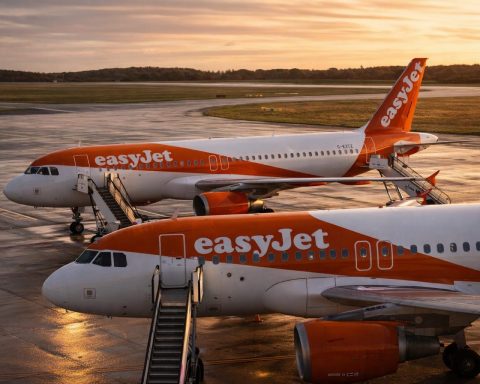
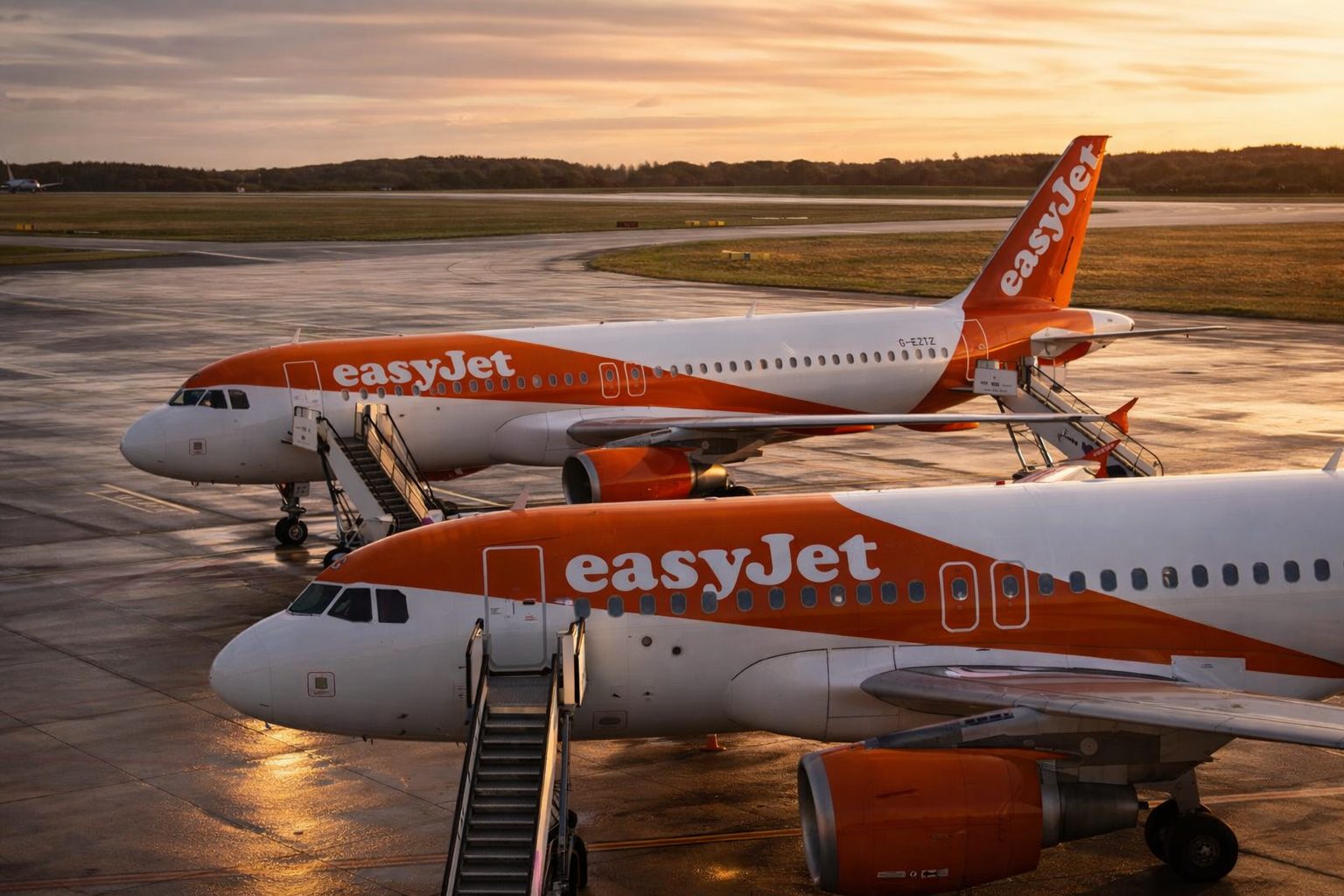
easyJet shares slipped on Wednesday, changing hands near 396 pence in delayed UK trading after closing Tuesday at 401.2 pence. Brent crude pushed past the $90 mark again, while London equities declined, shoving airlines back under the microscope right after a fleeting uptick the previous session. 1
That’s significant: fuel ranks just behind labor as an airline’s biggest expense, and the recent oil spike hit right when investors were positioning for a robust summer in Europe. Before the strikes on Iran, jet fuel hovered around $85 to $90 a barrel. Now it’s surged to somewhere between $150 and $200. Some airlines have responded by hiking fares or tacking on surcharges. 3
Sentiment flipped quickly. On Tuesday, European travel and leisure stocks rallied 2.5% as Brent crude slipped under $90, with BlackRock analysts led by Jean Boivin tipping disruptions would last weeks rather than months or just days. But by Wednesday, Brent was back over $90 and the FTSE 100 was trading down 0.6% at 1103 GMT. 4
easyJet has managed to offer investors a silver lining. Back in January, the airline stuck with its 2026 guidance even after posting a first-quarter operating loss of 76 million pounds. The company pointed to “record levels in both volume and revenue” during the crucial January sales window for Summer 2026, and its holidays arm chipped in with a pretax profit of 50 million pounds. 5
Hedging is the other protective layer, letting airlines lock in fuel costs in advance. According to a March 3 Reuters report, easyJet has already hedged 84% of its fuel requirements for the first half of 2026, 62% for the back half, and 43% for the first half of 2027. The company has also secured much of its anticipated dollar exposure. 6
Other carriers are in the same boat. IAG told Reuters on Tuesday it’s covered for now and isn’t looking to raise ticket prices. Ryanair has hedging arrangements set as well. Wizz Air’s Jozsef Varadi, for his part, had a sharper take last week—he insisted no airline has a stronger hedge and declared his company is “not naked.” 3
Hedging gives airlines a buffer, but only as long as oil stays expensive. Finnair has cautioned that if the crisis drags on, they may not just be fighting higher fuel prices but potential supply issues, too. Citigroup’s Beata Manthey pointed out that hedges help cushion the blow upfront, but with input costs stuck at these levels, protecting margins could get a lot tougher. 3
easyJet faces a tight squeeze. Solid summer bookings and an expanding holidays business suggest holding on, but if crude stays above $90 and jet fuel prices keep climbing, earnings and the share price remain under strain. 5