OAKLAND, California, May 11, 2026, 14:14 PDT
Microsoft CEO Satya Nadella and former OpenAI Chief Scientist Ilya Sutskever testified on Monday as Elon Musk’s civil trial against OpenAI moved into its closing stretch, after days in which Shivon Zilis’ role as Musk confidante, former OpenAI director and mother of four of his children came under heavy scrutiny. Sutskever said his OpenAI stake was worth about $7 billion, while Nadella called Microsoft’s early investment a “calculated risk.” Reuters
The case matters because it could alter the governance of one of the world’s most important AI companies as OpenAI raises billions of dollars for computing power and investors watch for a possible blockbuster public offering. Musk is seeking $150 billion in damages from OpenAI and Microsoft, with proceeds going to OpenAI’s charitable arm, and wants OpenAI pushed back toward nonprofit control, Reuters reported.
The clock is also moving. NBC Bay Area reported that the nine-person jury was selected on April 27, the trial is being heard in Oakland federal court, and closing arguments are expected to begin Thursday, May 14.
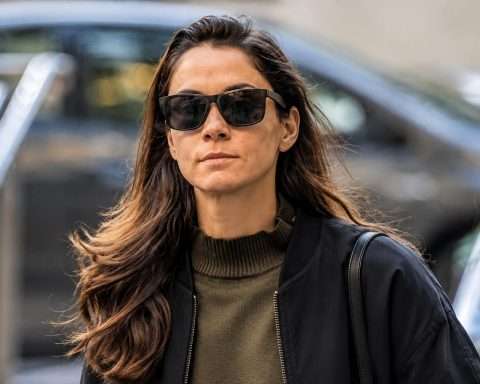
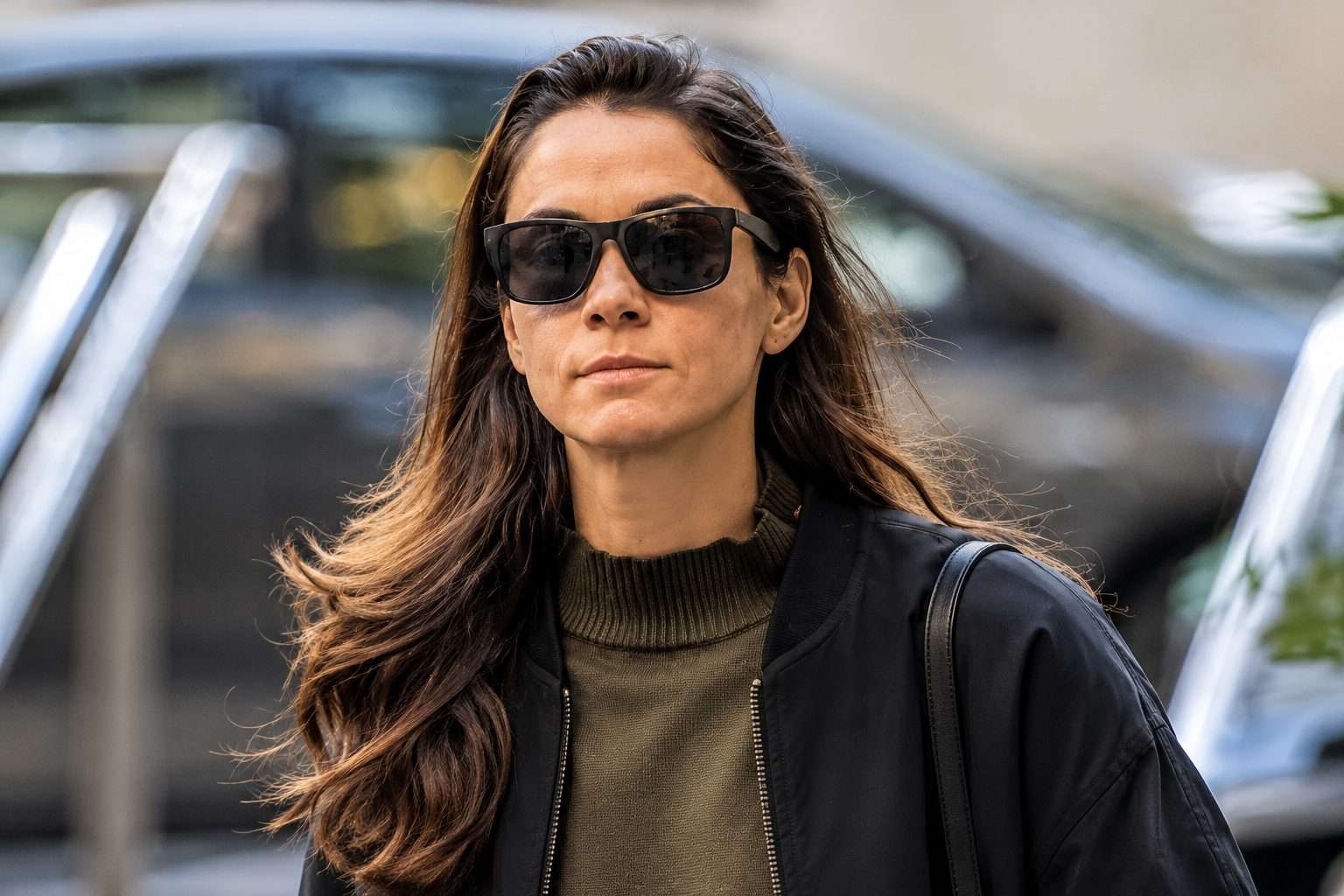
Zilis, a Neuralink executive and former OpenAI board member, has become a key witness because she sat in the overlap between Musk and OpenAI during a period when the startup’s founders argued over money, control and mission. The Washington Post reported that Zilis described herself as a “bridge” among Musk, Altman, Brockman and Sutskever; Tufts corporate governance expert Alnoor Ebrahim said conflicts are “not up to you as the individual to decide.” The Washington Post
OpenAI’s lawyers have tried to show that Zilis helped keep Musk informed after he left OpenAI, while Zilis has denied acting as a back channel for confidential information. Asked whether she funneled information to Musk while on the board, she answered: “Funnel? Certainly not.” In a 2018 exchange shown to jurors, Musk told her to stay “close and friendly” to OpenAI while he planned to recruit some staff to Tesla, The Guardian reported. The Guardian
Her personal relationship with Musk entered the trial because OpenAI argues her ties to him created a conflict. Business Insider reported that Zilis testified Musk offered to act as a sperm donor around 2020 or early 2021, that their twins were born through IVF in 2021, and that the arrangement was kept confidential until public Texas court records surfaced in 2022; she told jurors her personal connection did not affect her board work.
The testimony also fed a broader question about whether OpenAI’s leadership properly managed its mission as ChatGPT, a chatbot that can generate text and code from prompts, moved toward mass release. Former OpenAI technology chief Mira Murati testified by video that Altman was at times deceptive and “creating chaos,” while Zilis said the board had voiced “extreme concern” about releasing ChatGPT without adequate board communication, Reuters reported. Reuters
Musk’s side says OpenAI betrayed its founding nonprofit promise; OpenAI says Musk was willing to go for-profit if he had control. OpenAI President Greg Brockman testified that Musk supported a for-profit shift in 2017 but wanted full control, in part to raise money for Mars, saying Musk told him he needed $80 billion “to create a city,” Reuters reported. Reuters
Zilis’ testimony also showed how many corporate paths were being discussed before the breakup hardened. Bloomberg Law reported that she told jurors Musk at one point considered bringing Altman onto Tesla’s board around late 2017, when OpenAI’s founders were debating how to fund the nonprofit’s computing needs.
The competitive frame is blunt. OpenAI is now defending its structure while Musk builds xAI, and the original OpenAI idea was partly cast as a counterweight to Google DeepMind. Sarah Myers West, co-executive director of the AI Now Institute, told Reuters the early governance talk echoed a belief that “Only I am responsible enough” to control the technology. Reuters
The risk for Musk is that winning on liability may still not deliver the remedy he wants. Business Insider reported that because this is a civil case, jurors would decide whether OpenAI, Altman and Brockman are liable, while Judge Yvonne Gonzalez Rogers would make the final call on remedies — meaning removal of executives or a forced nonprofit rollback is not automatic.
For jurors, Zilis’ evidence leaves a narrow legal question wrapped inside a much larger fight: whether OpenAI broke a founding promise, or whether Musk lost control of a company that became far more valuable after he left.