
Milan—It’s May 6, 2026, clock just past 15:07 CEST.
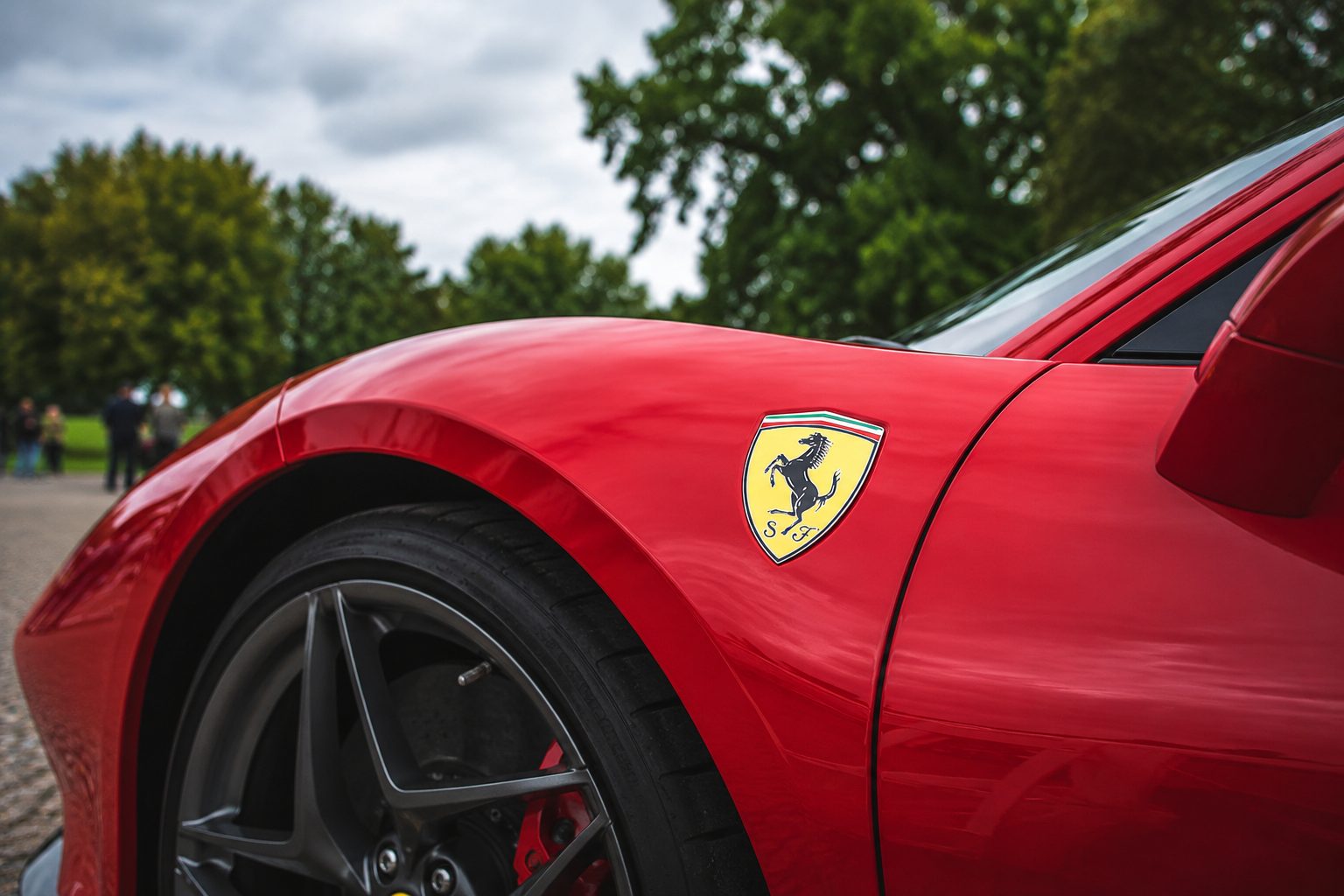
Ferrari left its 2026 goals unchanged following a strong first quarter, but the shares took a 4% hit in Milan on Tuesday. Investors appeared wary as the company faces a string of challenges ahead: launching its first electric vehicle, dealing with potential U.S. tariffs, and revamping its model line-up.
Ferrari isn’t just about fat margins and rare cars anymore. The challenge: keep prices strong as the company brings out the Luce electric vehicle and faces extra trade costs—without simply selling more cars.
Ferrari’s net revenue edged up 3% year-on-year in the first quarter to 1.848 billion euros, or 6% higher when adjusted for currency swings. EBITDA climbed 4% to hit 722 million euros, giving the automaker a 39.1% margin for the period. Net profit landed at 413 million euros, essentially unchanged.
Chief Executive Benedetto Vigna pointed to a stronger product mix and continued appetite for personalisation as drivers in the quarter. According to Vigna, the order book now runs deeper, stretching toward the end of 2027. That, he said, gives Ferrari the confidence to stick with its outlook for this year.
Ferrari delivered 3,436 cars, down from last year’s 3,593—a drop the company called planned, tied to its ongoing model transitions. EMEA shipments slipped, but demand picked up in the Americas, China, and other Asia-Pacific regions. Internal-combustion engines still powered 70% of first-quarter deliveries, with hybrids making up the other 30%.
Deliveries climbed for the 12Cilindri family, Purosangue, and the SF90 XX lineup, Ferrari said. The 296 family and Roma Spider moved lower, matching the expected rhythm of their product cycles. Shipments of the F80 picked up pace, while the first units of the 296 Speciale family, Amalfi, and 849 Testarossa reached customers.
Morningstar’s Rella Suskin pointed out that Ferrari continues to rely on pricing and product mix to drive up revenue and preserve solid margins, even as sales volumes decline. Suskin held her 370-euro fair value for the shares, highlighting that the company’s order book stretches into late 2027. Still, the stock slipped—investors were looking for updated guidance after what was otherwise a robust quarter.
Ferrari is sticking with its 2026 guidance: revenue should land around 7.5 billion euros, with adjusted EBITDA seen at no less than 2.93 billion euros and adjusted operating profit coming in at a minimum of 2.22 billion euros. Adjusted diluted EPS is forecast to clear 9.45 euros, and industrial free cash flow—what’s left from industrial operations post-investment—remains pegged at 1.5 billion euros or better.
Still, the risk isn’t minor. Ferrari flagged that U.S. import tariffs and currency shifts have already chipped away at some of the mix and pricing gains. CEO Benedetto Vigna told Corriere della Sera the company is “ready” if U.S. tariffs on European autos jump to 25%. Ferrari added that its outlook assumes no surprises beyond what it currently sees in the Middle East crisis. Corriere della Sera
Ferrari’s Middle East deliveries held steady versus last year, CEO Vigna said, crediting nimble allocation strategies and logistics for navigating the conflict. According to La Stampa, the company kept regional showrooms and workshops running, and organized upwards of 500 test drives during the past two months.
Ferrari’s Luce, the company’s first all-electric car, is set for its global debut in Rome on May 25. CEO Benedetto Vigna noted that Ferrari has secured over 60 patents tied to tech spanning electric motors, inverters, battery integration, displays, and vehicle dynamics. Reuters has the price tag coming in north of 500,000 euros.
The launch is set to draw attention throughout the supercar market. Lamborghini—part of Volkswagen—has dropped its planned electric sports car for 2030, pointing to sluggish demand and doubts about recouping major outlays. CEO Stephan Winkelmann said resistance to EVs has actually grown among buyers in this segment.
Ferrari’s results made one thing plain: sell fewer cars, charge more for them, tack on pricey extras—the classic playbook still delivers. Now eyes turn to the coming months to see if that same approach holds up as the company shifts toward electric vehicles and faces tougher trade conditions.