
NEW YORK, March 19, 2026, 09:15 EDT.
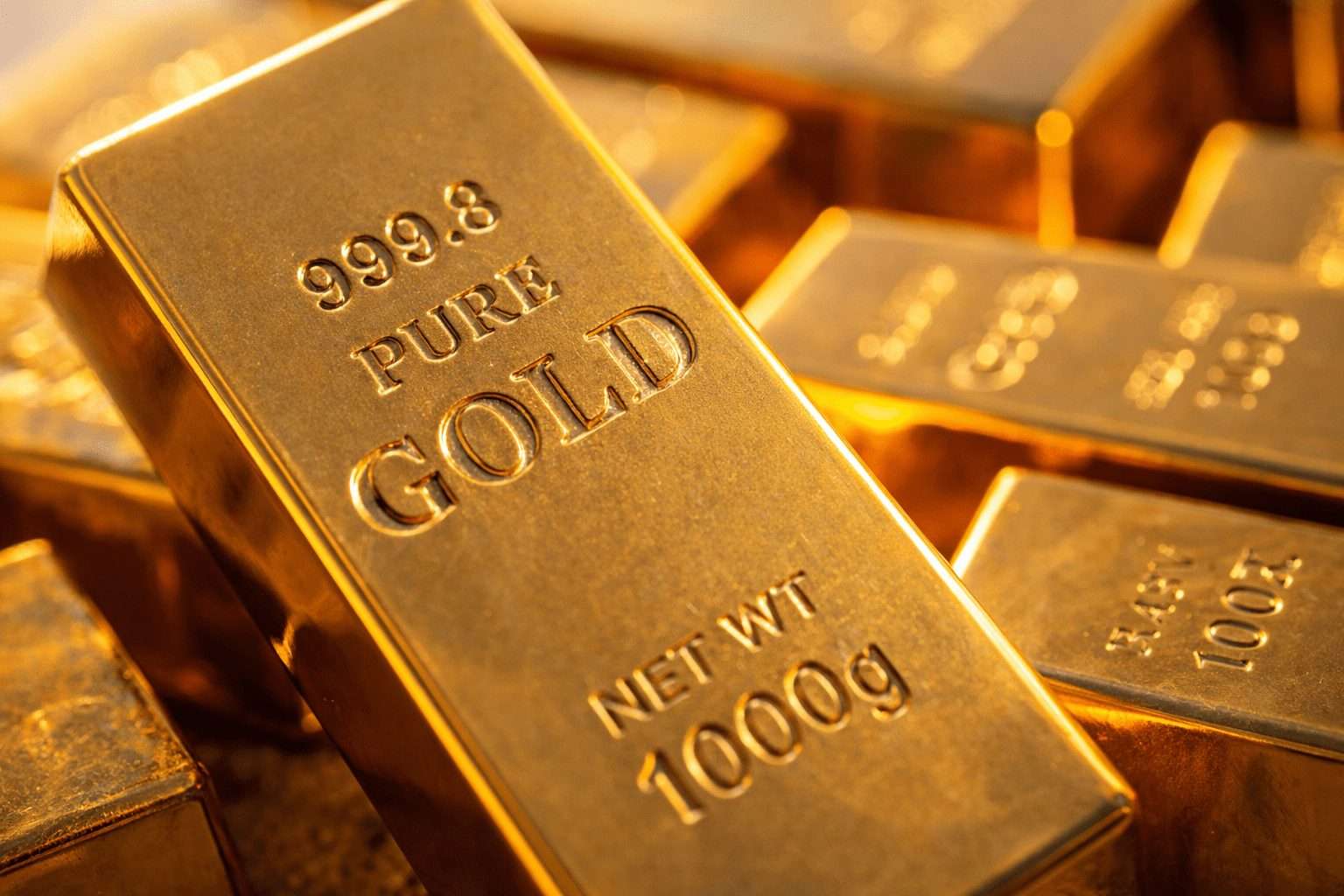
Gold dropped 2.7% to $4,687.19 an ounce by 1125 GMT, with prices sliding to $4,665.69—levels last seen on Feb. 6. Silver fared worse, tumbling 6.3% to $70.65 after touching $69.95, also a low dating back to Feb. 6. Investors turned away from the metals after the Federal Reserve’s rate move pushed up Treasury yields and lifted the dollar, sidelining gold and silver’s safe-haven draw even as the Middle East conflict drags on.
This shift signals that investors are framing the energy shock mainly through the lens of inflation, not as a flight-to-safety play. Gold, offering no yield, loses ground quickly when bond yields climb and the dollar strengthens. By late Wednesday, markets were pricing in just 14 basis points of Fed rate cuts by December—barely half of a standard quarter-point move and well below the two cuts expected back in late February.
The Fed left its target range unchanged at 3.50%-3.75% on Wednesday, noting inflation was still “somewhat elevated” and flagging uncertainty over how Middle East events could affect the U.S. economy. Fresh March projections bumped the median 2026 PCE inflation forecast—the Fed’s main price measure—to 2.7%, up from December’s 2.4%. Core PCE inflation now stands at 2.7% for 2026, compared with the prior 2.5%. Federal Reserve
Powell didn’t mince words. “Higher energy prices will push up overall inflation,” he told reporters after the meeting, but cautioned it’s still unclear just how much or how long growth will feel the impact. Morgan Stanley shifted its prediction for the next Fed cut to September, no longer seeing a move in June. That lines up with recent calls from Goldman Sachs and Barclays, who also delayed expectations. Reuters
Markets didn’t mince words. The S&P 500 dropped 1.4% straight after the Fed’s statement. Treasury yields jumped: the 10-year hit 4.26%, with the two-year up at 3.77%. The dollar index also pushed higher, up 0.6% at 100.19. “Powell’s gone neutral,” said Jack Ablin, chief investment officer at Cresset Capital, adding this only fuels the idea that rate cuts could be off the table for the rest of the year. Reuters
This sheds light on oil’s outsized reaction to the Iran war compared to gold. Brent crude surged past $119 a barrel, later trimming gains, after Iran hit Gulf energy sites in response to Israel’s strike on Iran’s South Pars gas field—a sharp escalation that rattled energy markets.
It wasn’t just bullion feeling the squeeze. Shares of U.S.-listed precious-metals miners dropped in premarket action—Gold Fields lost 9.4%, Endeavour Silver declined 6.1%—as the sector got hit alongside gold and silver.
Central bankers largely stuck to script: the Fed, Bank of Canada, and Bank of Japan opted to keep rates unchanged. But with energy prices threatening to stir inflation again, all three flagged the risk. BOJ’s Kazuo Ueda, for his part, didn’t dismiss the idea of a rate hike in the near future, provided any slowdown turns out to be short-lived.
The mood got another push from Britain on Thursday. The Bank of England held Bank Rate at 3.75%, a unanimous 9-0 decision, while warning that inflation might climb to 3.5% within the next two quarters. Some officials didn’t rule out another hike if the energy shock proves persistent.
But the bigger debate around gold is far from resolved. As independent metals trader Tai Wong put it, slipping under $5,000 is “technically troubling,” though he’s not backing off the bullish long-term story. The market could easily shift again if a deeper economic slowdown hits, or if a broader conflict pushes investors back into safe assets faster than it drags on rate expectations. Reuters