London, March 23, 2026, 22:46 GMT
- Since the start of hostilities on Feb. 28, gold has dropped 15%, and on Monday, the metal touched a four-month low. 1
- Brent finished under $100 as Trump’s decision to hold off on threatened strikes sent U.S. and European stocks climbing. 2
- Bets on rates staying higher for longer, plus $7.9 billion yanked from ETFs, are outweighing gold’s safe-haven appeal at the moment, analysts note. 3
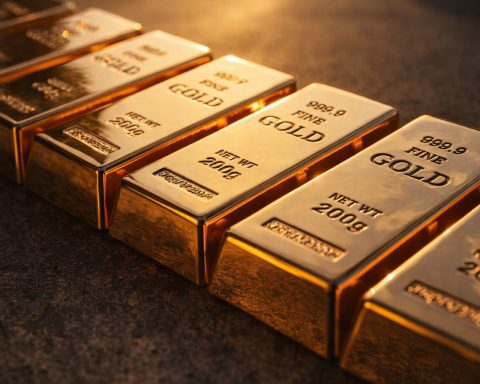
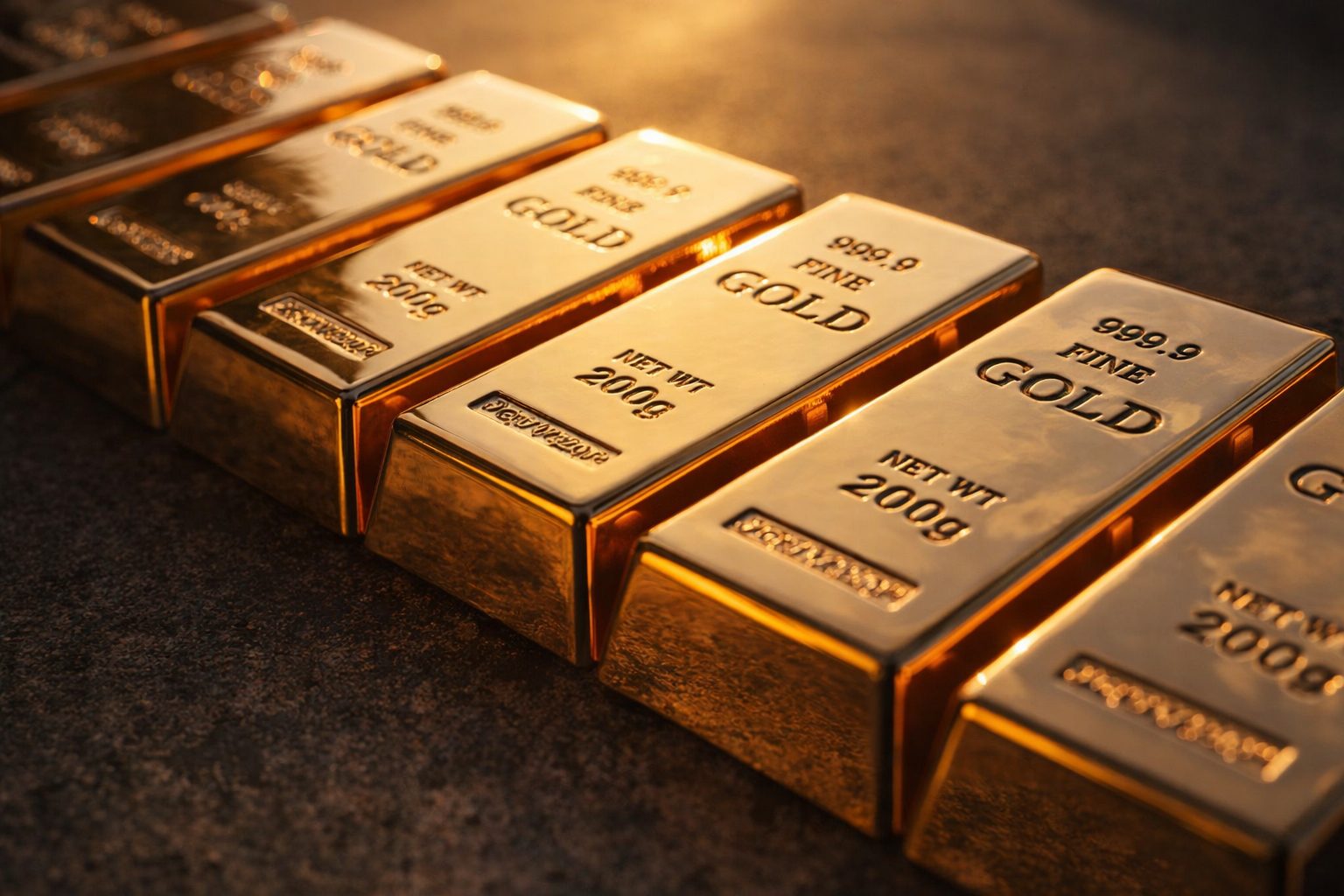
Gold lost its initial war-driven momentum, sliding for the ninth session in a row on Monday. Prices dipped to a four-month low before clawing back some ground, after U.S. President Donald Trump put off planned strikes against Iranian energy targets for five days. That pause helped extend a rout that had already marked the metal’s worst week since 1983. 1
This shift is notable: for once, bullion hasn’t been the go-to haven. Investors have been offloading gold rather than piling in, with oil-linked inflation jitters sending yields up and pushing out any chance of rate cuts. Charu Chanana at Saxo observed that the market is treating the turmoil as “more than just a geopolitical flare-up,” bracing for a longer-lasting stagflation shock—think slow growth, sticky inflation. 4
Bullion has dropped 15% since fighting broke out on Feb. 28, pulling it roughly 20% below the Jan. 29 record, which hovered near $5,595 an ounce. Investors have pulled $7.9 billion from gold-backed exchange-traded funds (ETFs) since the start of the conflict, according to World Gold Council figures. 3
“Gold should do well in a stagflationary environment, it always has, but there may be more profit taking and liquidation first,” said John Reade, senior market strategist at the World Gold Council. He pointed out that trades from last year are still being unwound, with investors yet to fully reprice 2026’s inflation shock. 3
David Meger, who heads metals trading at High Ridge Futures, pointed to the overnight slide as just another leg in a broader liquidation streak fueled by bets on higher rates. Trump’s post, he noted, sparked quick reversals not just in metals but also energy and equities. ANZ analysts compared the move to previous shock moments—situations where the scramble for cash can swamp the usual flight to safe assets. 1
Shockwaves hit fast. Brent crude tumbled 10.9% to settle at $99.94 a barrel, and U.S. crude finished the day at $88.13. On Wall Street, the Dow jumped 631 points, while the S&P 500 added 1.15% and the Nasdaq climbed 1.38%—the sharpest one-day gains since Feb. 6. 2
Europe bounced hard—STOXX 600 finished up almost 0.6% after earlier sliding 2.5%. Airlines caught some relief as fuel prices dipped. John Wyn Evans at Rathbones flagged the risk: just a whiff of credible ceasefire news could trigger a sharp squeeze upward. 5
Currencies echoed the trend. By late New York hours, the dollar index slipped 0.4%, while the euro picked up 0.4%. Treasury yields also pulled back from multi-month peaks after Trump’s remarks, offering bullion a brief reprieve. 6
The metals market split on Monday. Silver popped 2.5% following some earlier volatility. Platinum edged down 2.7%, while palladium managed a 1.7% gain. Equities moved as well—Pandora shot up 9.2%, catching a break on reduced precious-metal costs. Alaska Air and United Airlines both advanced more than 4% thanks to sliding oil prices. 1
Still, any relief rally might not last. Tehran has flatly denied negotiations with Washington, while shipping snarls in the Strait of Hormuz linger. Analysts put possible lost Middle East output at anywhere between 7 million and 10 million barrels per day. Elias Haddad at Brown Brothers Harriman isn’t convinced the market has seen peak fear or a true easing of tensions just yet. 2
Gold bulls aren’t giving up on the broader trend. “The bigger picture remains intact,” said SP Angel’s John Meyer, citing ongoing G7 budget deficits, persistent inflation, and moves by central banks to diversify reserves. Short-term price swings, he noted, are still being driven by forced selling. 3