
Bengaluru, March 3, 2026, 21:50 IST
- Spot gold slid 5.6% to $5,029.59 an ounce, pulling back from its highest level in four weeks as both the dollar and Treasury yields climbed.
- Safe-haven demand ticked up on Middle East war risk, while oil-driven inflation fears nudged expectations for rate cuts even further down the road.
- Silver, platinum, and palladium all dropped hard, with precious metals broadly under pressure.
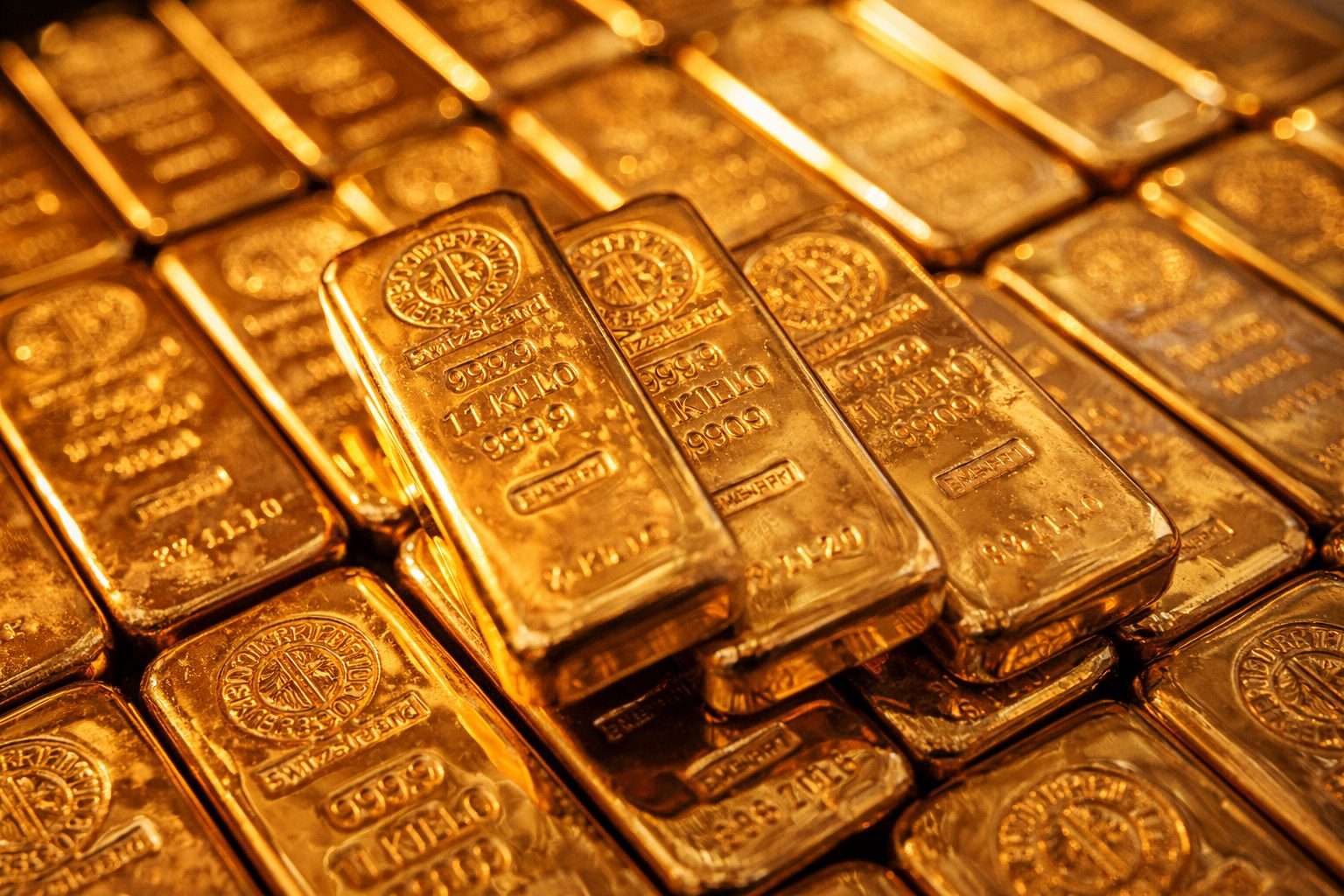
Gold tumbled over 5% Tuesday, snapping back from a four-week peak as the metal lost ground to a firmer dollar and higher bond yields. Spot gold dropped 5.6%, sitting at $5,029.59 an ounce at 1450 GMT. U.S. gold futures retreated 5.1% to $5,041.50.
This shift’s significant—markets are juggling two jolts simultaneously. Iran’s conflict is sending traders toward so-called safe havens whenever risk surges. Yet, the very same situation is pushing energy prices up, stirring inflation concerns all over again.
It’s that inflation story putting pressure on gold now. With yields climbing, assets offering interest become more attractive. Gold, lacking a yield, tends to slip when traders expect central banks to hold rates up for an extended stretch.
“Gold’s drop looks like investors scrambling for liquidity—just chasing cash,” said Bob Haberkorn, senior market strategist at RJO Futures. “We’re seeing a firm dollar, bond yields climbing.” Haberkorn noted the pullback might not last long if the conflict continues to unsettle investors seeking safety.
The dollar climbed to its highest level in more than a month, sending dollar-priced bullion higher for investors using other currencies. The greenback, often a haven in turbulent times, advanced as U.S. Treasury yields posted a second consecutive gain.
The conflict in the Middle East pressed into its fourth day, as blasts were reported in both Tehran and Beirut. On Monday, a top Iranian Revolutionary Guards official announced the closure of the Strait of Hormuz. Oil benchmarks surged over 8% on Tuesday, piling onto inflation worries, according to the Reuters report.
City Index and FOREX.com analyst Fawad Razaqzada flagged the risk that ongoing threats to energy infrastructure and instability near Hormuz could keep oil, gas, and refined products trading high. This scenario, he noted, could delay rate-cut bets, which would mean less support for gold.
Earlier this week, gold futures spiked to around $5,400 as buyers piled in for safety, but the rally faded, according to Yahoo Finance. https://finance.yahoo.com/news/gold-touches-5400-as-demand-for-safe-haven-asset-jumps-amid-iran-conflict-102241256.html
Tuesday’s drop came as what Bloomberg called a war-risk premium collided with a stronger dollar and rising yields, a combination that tends to weigh on demand even with heightened geopolitical noise. https://www.bloomberg.com/news/articles/2026-03-03/gold-slumps-as-strong-dollar-yields-offset-war-risk-premium
Gold hung on to a 17% gain for the year, despite the drop—and that follows last year’s 64% jump. Silver had climbed almost 12% in 2026 before Tuesday’s selloff, but then tumbled 11.2% to $79.42 an ounce.
Gold wasn’t alone. Platinum tumbled 12.6% to $2,013.65 an ounce, while palladium shed 8% to $1,624.50.
Gold bulls face a risk here: pricier energy could leave inflation stubborn, rates high, and the dollar strong—capping any rally. On the other hand, a bigger snag in oil shipments or new escalation might send investors scrambling for gold again, yields notwithstanding.