
MOUNTAIN VIEW, California, May 7, 2026, 08:10 (PDT)
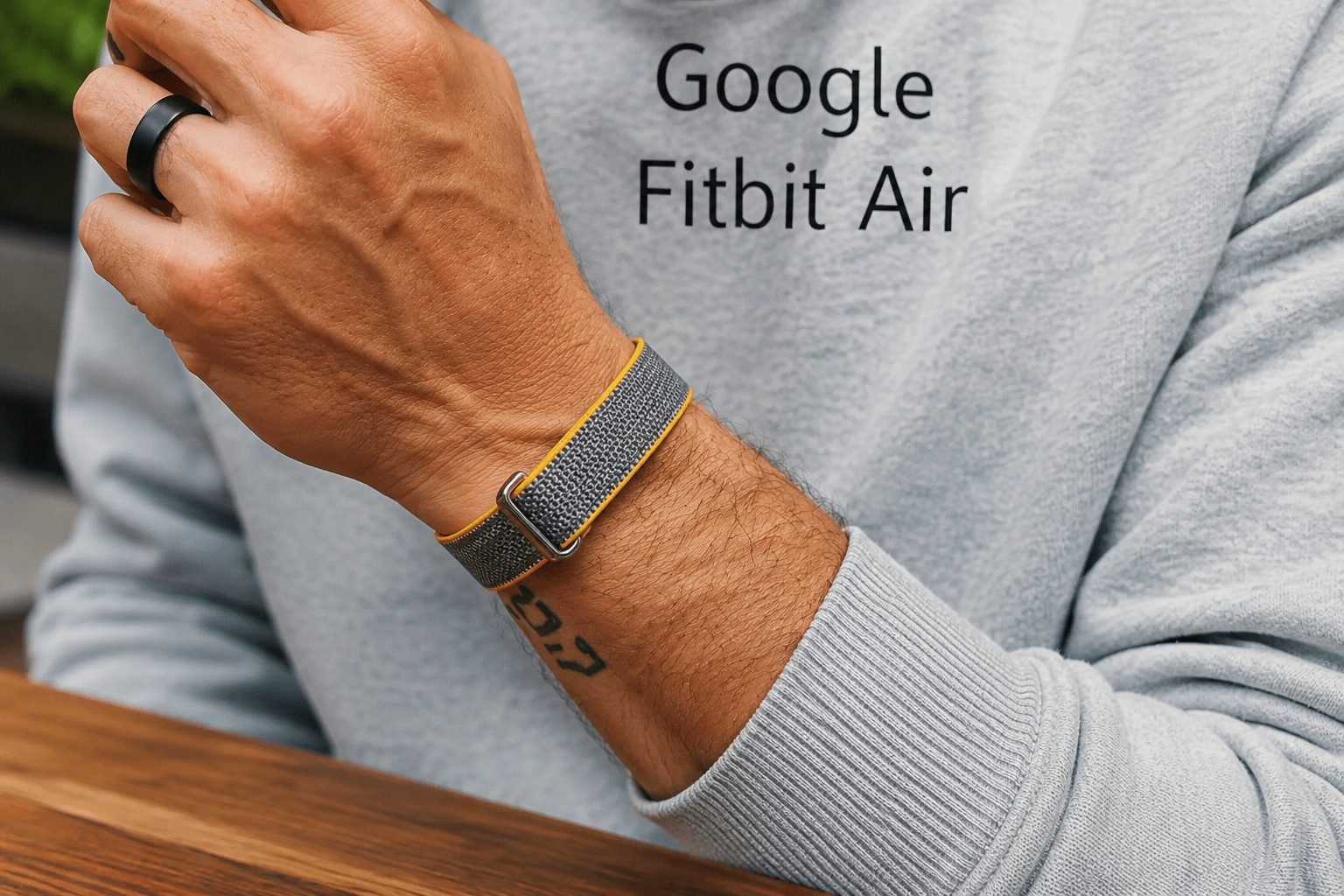
Google kicked off pre-orders Thursday for the Fitbit Air, a new screenless fitness tracker carrying a $99.99 price tag. The company also announced plans to rebrand the Fitbit app as Google Health, signaling a bigger move toward an AI-focused health platform. The Air lands in U.S. stores May 26; users will see the app transition starting May 19.
The moment is key: screenless wearables have shifted from specialty recovery aids to a quickly expanding sector. Whoop and Oura have shown there’s a market for health tracking minus the extra screen cluttering your wrist. Now, Google is aiming for the broader audience—bringing down the entry price and putting Fitbit’s brand behind the effort.
This is a notable shift away from Fitbit’s legacy approach. Rishi Chandra, Google’s vice president of Health and Home, told The Verge the health app “is not going to be specific to Fitbit hardware.” Chandra also said, “We want to be a health coach to an Apple Watch user, too.” The Verge
No display, no buttons—the Fitbit Air is stripped down to a lightweight sensor pebble that slides into wristbands. With the band, it tips the scales at 12 grams; on its own, just 5.2. It tracks heart rate, sleep, blood oxygen, skin temperature, and can spot signs of atrial fibrillation, the company says. Google is touting up to seven days on a single charge, or about a day’s use from five minutes plugged in.
The device, at least for the moment, sticks to the wrist—no chest straps, no pendants. Chandra told Engadget, “right now, it’s just wristbands,” though more accessories are under consideration. Engadget
The Google Health app, sporting its new name, is getting four core tabs: Today, Fitness, Sleep, and Health. It’ll draw data from Fitbit and Pixel Watch, plus third-party apps via Health Connect, Apple Health, and Google Health APIs. For U.S. users, Google says syncing medical records in the app will be an option, too.
Google is rebranding Fitbit Premium as Google Health Premium, folding its paid tier under the new name. Starting May 19, Google Health Coach—powered by Gemini—exits preview and gets a price tag: $9.99 per month, or $99 annually, bundled in with Premium. Google says AI Pro and Ultra users won’t pay extra for it.
Google isn’t claiming its debut version fits every device out of the gate. At launch, the AI coach only rolls out to eligible Fitbit and Pixel Watch users. Chandra told CNN the company aims to add Apple Watch and other device support before the year is out: “So you can decide whatever hardware you want.” KESQ
Google kicked off pre-orders for the Stephen Curry special edition Fitbit Air, priced at $129.99. This model features a rye brown and orange band, signature touches from Curry himself, his No. 30, and a “#LockIn” mark. A water-resistant coating and raised interior print are included—aimed at boosting airflow while you work out. Blog
Price strategy is a big part of the rivalry. According to Bloomberg, Whoop skips hardware costs entirely and instead goes with a yearly subscription—starting at $200. Google, on the other hand, puts a price tag on its Air device up front, while its $10 monthly health subscription is optional.
Google acquired Fitbit back in 2021, making a promise at the time: Fitbit’s health and wellness data wouldn’t be tapped for Google ads. That same assurance cropped up again with the new Google Health launch—still a key issue as the company now encourages users to pool more of their fitness, sleep, and health info into a single app.
Here’s the gamble: users might not just shrug this off as a routine upgrade. Per Google’s own help page, certain features from the Fitbit days are either changing or going away, and the company flags that Health Coach isn’t meant for medical use. Add to that, Gemini’s answers aren’t guaranteed—users are told to double-check the output. The challenge for Google is clear: the new AI has to prove it’s worth the tradeoff, or risk alienating fans of that old Fitbit vibe.