
San Francisco, Jan 20, 2026, 04:13 PST
- Google confirmed a “high-friction” sideloading process for Android, describing it as an “Accountability Layer” rather than a ban.
- New text strings in Google Play hint at an “Install without verifying” option, complete with extra warnings and online verification steps.
- According to Android Authority, the rollout should begin in select countries later this year.
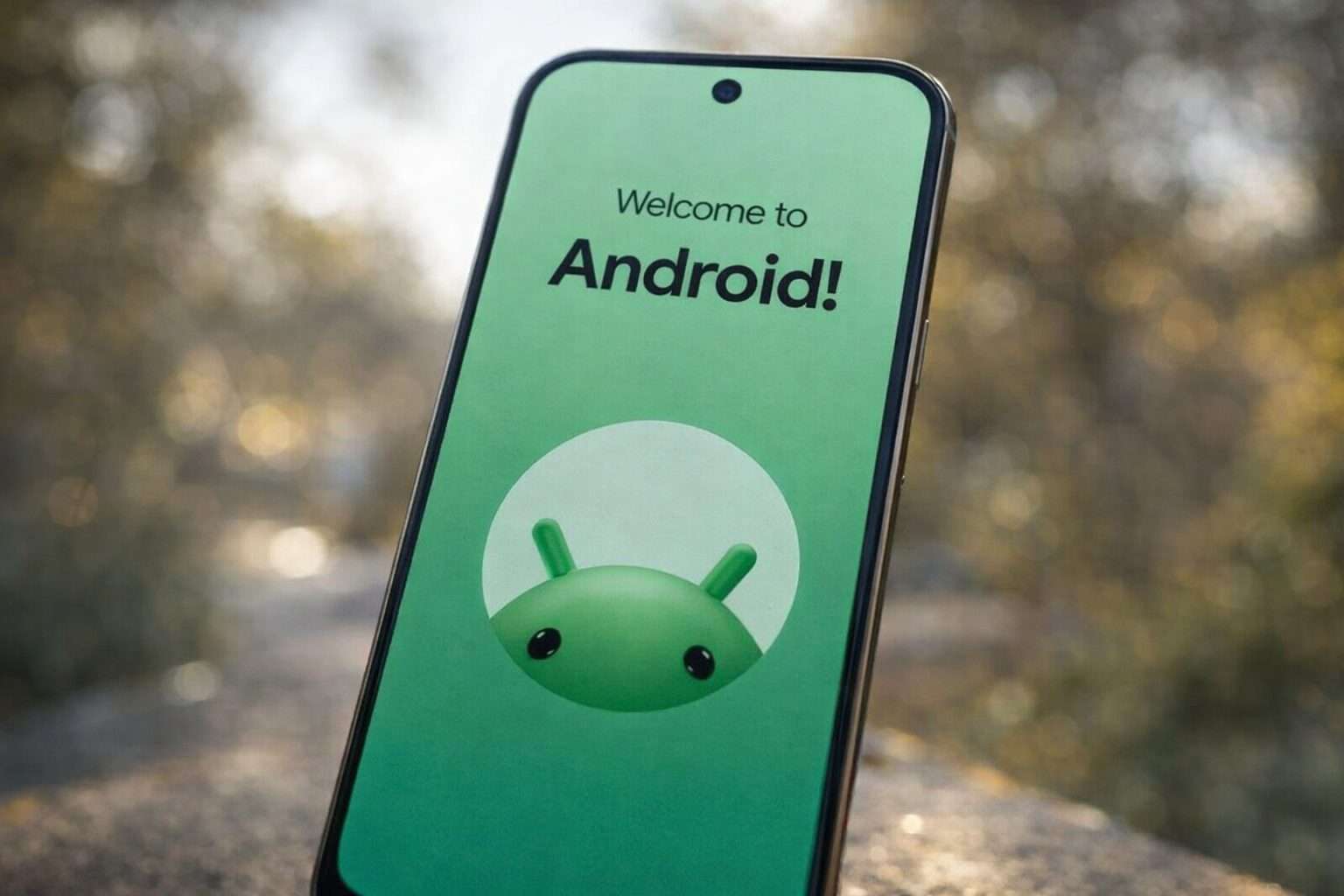
Google confirmed that Android will introduce a “high-friction” process for sideloading apps, adding extra steps when users install apps outside the Play Store. Matthew Forsythe, a Google Play executive, described it as an “Accountability Layer” rather than a restriction. He also reassured that the “Install without verifying” option will stay available for advanced users on Android 8.0 and up. Android Authority
This shift is significant since sideloading, usually involving direct app file installs, has long been a key reason Android users value choice. However, it also opens a door for scammers, who guide users through installs that bypass the Play Store entirely.
Google aims to narrow that gap without shutting it entirely, and early evidence is appearing right in its Play Store app. This moves more risk warnings and verifications directly to the user at the point they tap “install,” rather than days after an issue arises.
Android Authority uncovered new text strings in a Google Play app APK teardown (version 49.7.20-29), revealing a feature for “Install without verifying.” This option comes with a warning that apps from unverified developers “may put your device and data at risk.” Other messages hint at an internet connectivity check, including one stating: “No internet, can’t verify app developer.” Marc Prud’hommeaux, founder of the App Fair Project and an F-Droid board member, noted similar language has been part of Android’s system package installer since at least July 2025. According to the site, Google seems set to roll this out starting in September in Brazil, Indonesia, Singapore, and Thailand. Android Authority
Google has pitched the design not only as a malware alert but also as a shield against pressure tactics. “We are designing this flow specifically to resist coercion,” the company said in an earlier explanation of the feature, highlighted by 9to5Google, pointing to situations where scammers try to rush users into clicking prompts. 9to5Google
Cord Cutters News pointed out that the stricter sideloading process also applies to Google TV and Android TV devices, where many users sideload apps unavailable in official stores. According to the site, Google isn’t cutting out sideloading but is introducing extra steps and warnings instead.
For the average user relying on the Play Store, this might just mean seeing a warning screen now and then. But for those installing niche apps, beta versions, or software handed out directly by developers outside Google’s ecosystem, the effects will hit much harder.
This move pushes Android closer to the “store-first” approach Apple’s iOS has been known for, though Google still offers an opt-out option. On the TV front, competitors like Roku and Amazon’s Fire TV also stick to tightly managed app stores, limiting easy access for installs from other sources.
The line between “education” and “restriction” shifts quickly. If the new flow relies heavily on online verification or piles on prompts, it risks annoying power users and complicating distribution for alternative app stores and direct-download developers—especially in areas with poor connectivity where the system might fail to complete checks.
Right now, the strongest hint is that Google is embedding language and toggles directly into Play Store updates. Developers and users depending on sideloading are waiting to see when the “high-friction” route moves from just code strings to an active interface.