SAN FRANCISCO, Jan 17, 2026, 00:09 PST
- Google patent outlines a battery chassis that can be removed as a module and doubles as an electrical “ground”
- Tech sites link the design to future Pixel devices, including the rumoured Pixel 11 Pro Fold
- EU rules on battery removability take effect in 2027, raising pressure to make sealed phones easier to service
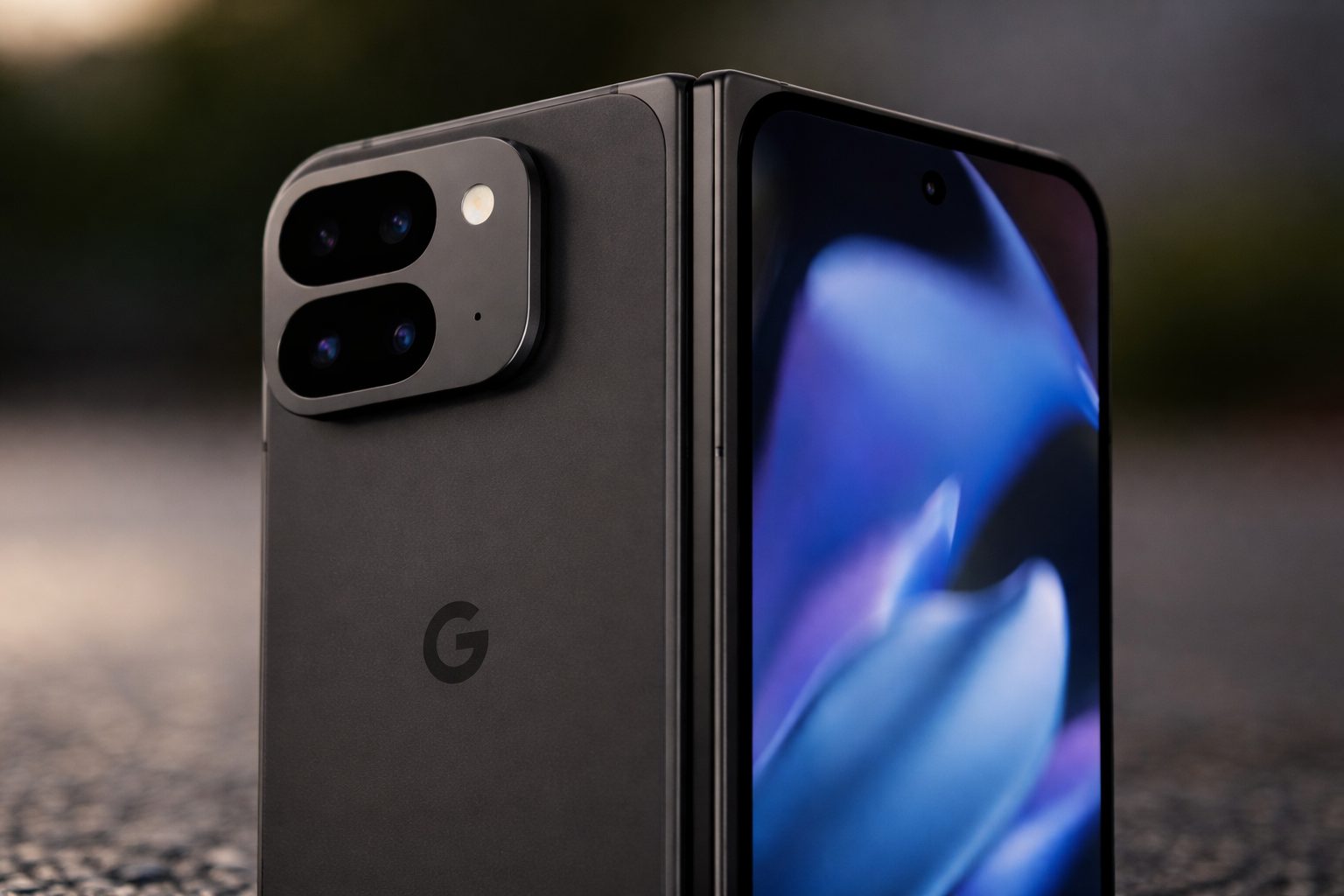
Google is drawing fresh attention for a patent-backed battery design that could make future Pixel phones easier to repair, with recent reports tying the idea to the next-generation Pixel foldable often referred to as the Pixel 11 Pro Fold. 1
The timing matters because regulators are tightening the screws on sealed devices. EU Commission guidelines say Article 11 of the bloc’s batteries regulation applies from Feb. 18, 2027, setting rules that aim to make portable batteries “readily removable and replaceable” using commercially available tools and without specialised tools, thermal energy or solvents, with some derogations. 2
Foldables add their own urgency. In a durability video cited by Android Central, YouTuber Zack Nelson of JerryRigEverything said a Pixel 10 Pro Fold battery failed dramatically during a bend test — “surprisingly, in the decade that I’ve been durability testing phones, I have never had a smartphone explode before,” he said. 3
In a patent application published on Jan. 1, Google described a “removable battery subassembly” in which the battery is attached to a chassis that mechanically interlocks with the device frame. The document says ground contacts placed near antennas route grounding paths to the battery chassis, which acts as the system ground, to limit what it calls “lossy resonance” effects that can hurt antenna performance. 4
In plain terms, the patent aims to solve a problem that comes with making batteries easier to remove: keeping a stable electrical reference so radios don’t lose efficiency after the device is opened and reassembled. “Lossy resonance” here is essentially unwanted electrical behaviour that can detune antennas and weaken signal.
The design leans on mechanical retention rather than adhesive. It describes elements such as “shear stops” — features that constrain sliding movement — and fasteners that let the battery chassis be removed without first cutting through glue, a step that can be time-consuming and risky in modern phones.
Android Authority said the application suggests Google is looking for a way to cut down on glue while keeping the slim, sealed builds consumers expect, including water resistance and wireless charging. 5
That puts Google in the same squeeze as rivals such as Apple and Samsung, whose flagship phones and foldables are built around tightly packed components and sealed frames. Making batteries easier to replace can mean extra parts, more screws and tighter tolerances — all of which fight against thinness, weight and manufacturing simplicity.
There is a catch: patents are not product plans. HotHardware noted the filing leaves open practical questions such as how much weight or space a metal battery cage and added hardware might cost, even if the concept is meant to simplify repairs. 6
For now, the paper trail shows an engineering direction, not a launch schedule. Still, with 2027 battery-removability rules looming in Europe and repairability now a competitive issue, the industry’s next hardware cycles will show whether ideas like Google’s battery chassis move from diagrams into devices.