NEW YORK, Feb 19, 2026, 07:48 EST — Premarket
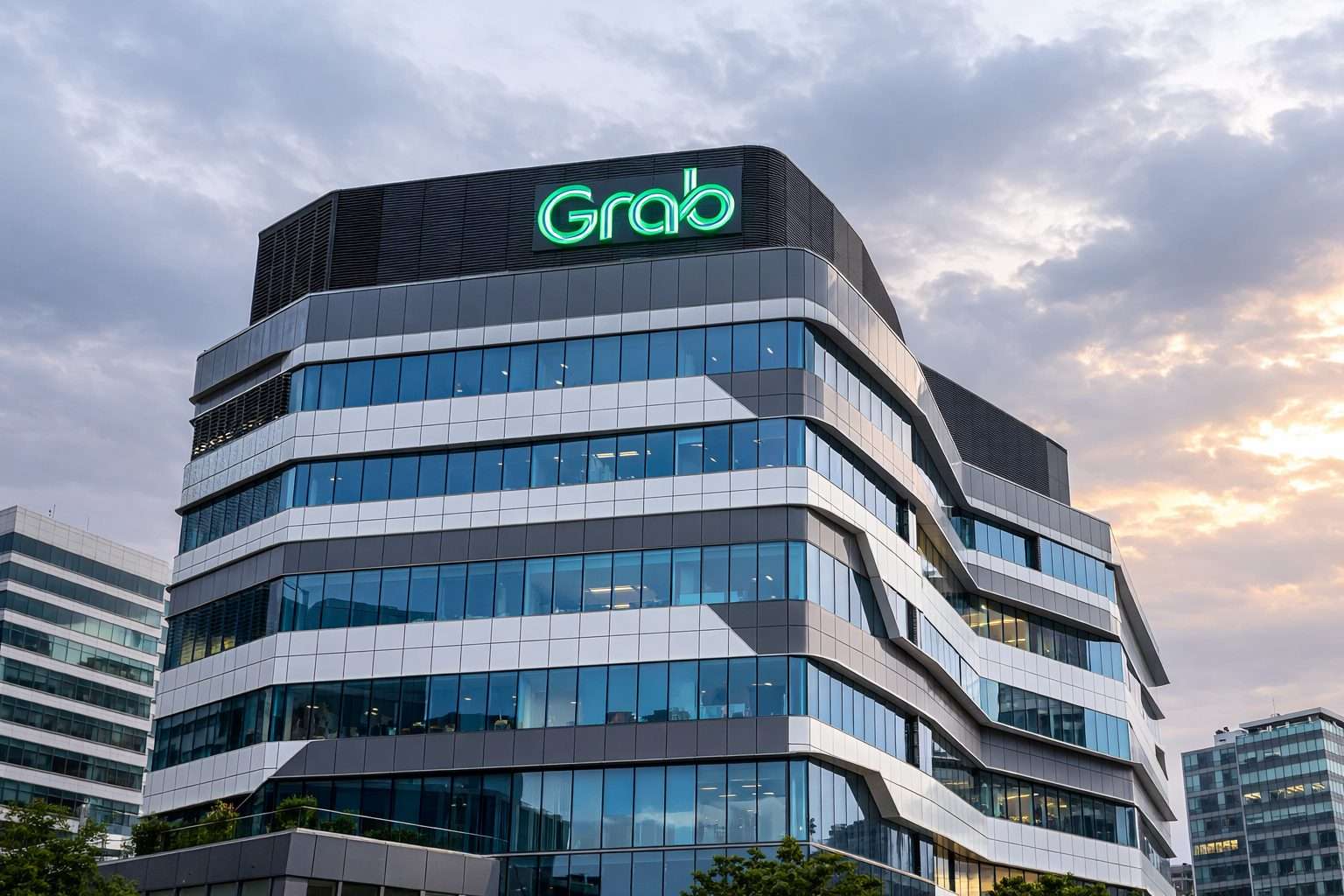
Shares of Grab Holdings slipped around 1.1% to $4.40 in U.S. premarket action Thursday. That comes after the Southeast Asian ride-hailing and delivery company had jumped 4.2% in the previous session, finishing at $4.45.
Traders are watching the early move closely, trying to figure out if Grab’s recent rally is sustainable—or if it’s simply a bout of short-covering following choppy trading around the company’s latest outlook and deal headlines.
In a market like this, even a minor insider-sale filing tends to get noticed, modest as it might be. Investors are also juggling U.S. rates and fresh inflation data—both factors that can jolt higher-risk stocks.
According to a Form 144 filing, 160,000 Grab common shares, worth roughly $660,800, are set for sale via Morgan Stanley Smith Barney. The document notes about 3.97 billion shares outstanding. These shares came as restricted stock units, granted by the issuer on March 1, 2024, and are typically subject to vesting.
Form 144, a filing linked to SEC Rule 144, serves as a notice about potential resale of restricted or “control” securities. It doesn’t ensure a sale will go through, nor does it necessarily reflect the company’s business outlook.
Grab set its fiscal 2026 revenue outlook between $4.04 billion and $4.10 billion, coming in below where analysts had pegged it. Adjusted EBITDA guidance landed at $700 million to $720 million. CFO Peter Oey told Reuters they plan to “continue to make our rides affordable.” The company also rolled out a $500 million share buyback. Reuters
Grab, in a Feb. 12 statement, said it’s buying U.S. investing platform Stash Financial, striking definitive agreements for an initial closing stake pegged at a $425 million enterprise value. Additional payments will follow over the next three years. The deal, pending regulatory signoff, is slated to close in the third quarter of 2026. CEO Anthony Tan described the acquisition as “a milestone” for Grab’s financial services ambitions. For Stash, co-founder Brandon Krieg called the move “a validation” of its mission. Grab Holdings Investor Relations
Grab’s main revenue drivers—mobility and deliveries—often move with consumer sentiment and how aggressively it pushes promotions. Investors weighing its financial services aspirations face a separate set of execution hurdles. The result: the stock can swing hard on shifts in mood, particularly after a steep daily jump.
Macro factors aren’t going away. On Feb. 18, the Federal Reserve unveiled minutes from its Jan. 27–28 meeting, fueling speculation over just how long rates might stay unchanged—and what might prompt a shift.
This setup isn’t a one-way street. When insiders offload shares and traders see it as looming supply, or if rate bets spike after strong data, high-beta stocks like Grab can easily lose momentum—even if there’s nothing new out of the company.
U.S. inflation takes the spotlight next, with the Personal Consumption Expenditures price index landing Friday, Feb. 20. Markets treat this as the Fed’s preferred inflation measure.