
London, May 13, 2026, 16:02 (BST)
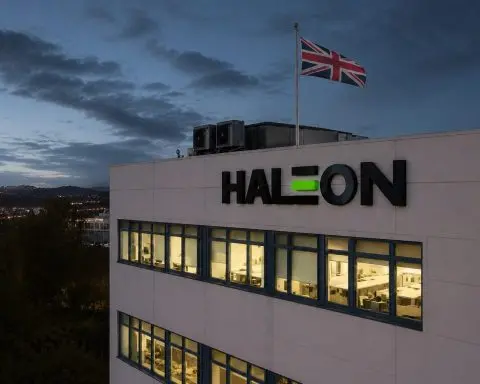
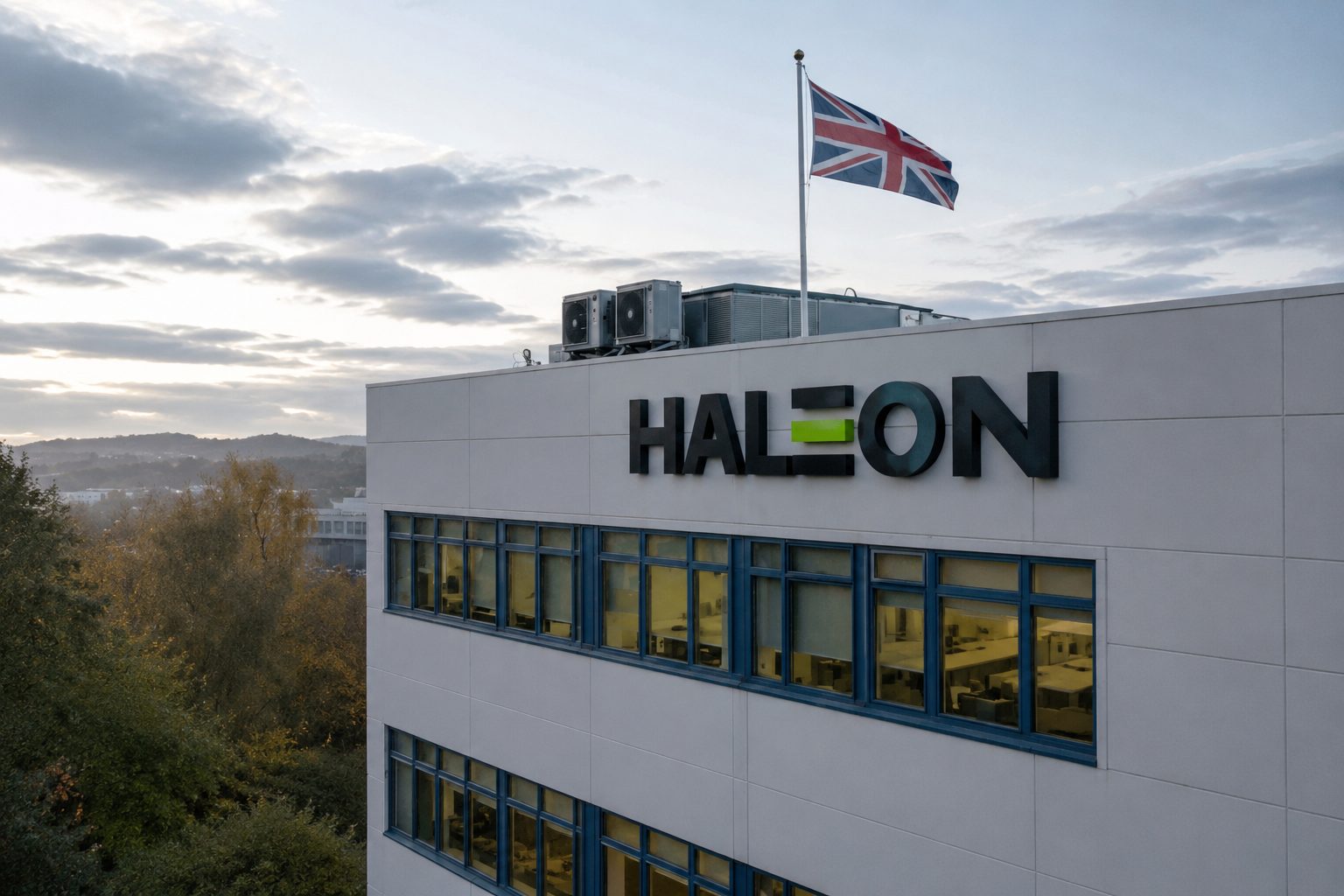
Haleon PLC stock slipped Wednesday after a fresh regulatory filing revealed the Sensodyne owner had snapped up 10,205,329 ordinary shares for cancellation as part of its 2026 buyback program. Those shares were purchased between May 5 and May 8 across the London Stock Exchange, Cboe UK, and Aquis. Once settled, the company will have 8.868 billion ordinary shares with voting rights outstanding.
This buyback’s carrying some weight: it’s propping up returns as investors hold out for evidence of faster sales growth. Hargreaves Lansdown’s delayed figures had Haleon off 1.16%, quoted at 331.00p to sell, 331.20p to buy. The FTSE 100, meanwhile, was showing a 0.49% gain.
A share buyback happens when a company buys its own stock, reducing the total number of shares if those are cancelled. Haleon earmarked £500 million for repurchases in 2026 and kicked off an on-market buyback plan for up to that sum on March 12.
The cash return follows a choppy first quarter for Haleon. Organic revenue increased 2.2%, with pricing up 2.4% and volumes dipping by 0.2%—those numbers exclude currency shifts and acquisitions. Oral health climbed 8.3%, thanks to Sensodyne and parodontax, but respiratory health dropped 3.4% after a lackluster cold and flu season. CEO Brian McNamara described the quarter as a “competitive performance in a challenging market.” He left the 2026 organic revenue growth target at 3% to 5%. Haleon Corporate
Haleon’s big issue right now? Figuring out if toothpaste and oral care can still do the heavy lifting as its other lines—cold remedies, pain relief, digestive health—work to bounce back. The company’s lineup includes Panadol, Advil, Centrum, Theraflu, and Voltaren.
The risk here: the buyback may not be enough to counter slack demand or mounting costs. Just last month, Reuters flagged that global consumer names like Procter & Gamble and Reckitt are up against higher energy and freight bills. For Reckitt, soft cold and flu demand also dragged on the latest quarter. Haleon’s finance chief Dawn Allen told analysts that freight surcharges are still “quite small” for now, but she expects they’ll climb. Quilter analyst Chris Beckett, meanwhile, said Haleon “needs more than the toothpaste business to start performing.” Reuters
The shareholder roster has shed some baggage since the 2022 GSK spin-off. Pfizer offloaded its last Haleon shares in March 2025, pocketing roughly 2.5 billion pounds. GSK was already out. That clears the persistent stock overhang dogging the consumer health company since its listing.
So now it’s all about execution. With most of the old parent-company stake sales wrapped up, attention turns to Haleon. The company faces mounting pressure to drive growth through pricing, new products and distribution wins—without relying much on buybacks.
Next up: half-year results drop July 30. Eyes are on North America—Haleon says growth efforts are rolling. The key question is whether momentum has finally picked up after that sluggish first quarter.