
LONDON, May 19, 2026, 15:04 (BST)
- Haleon traded up 0.86% at 340.10p/340.20p, based on delayed prices from Hargreaves Lansdown.
- The company said it bought back 8.3 million shares to cancel them as part of its 2026 buyback plan.
- UK stocks were up as soft jobs data took some pressure off the Bank of England to hike rates soon.
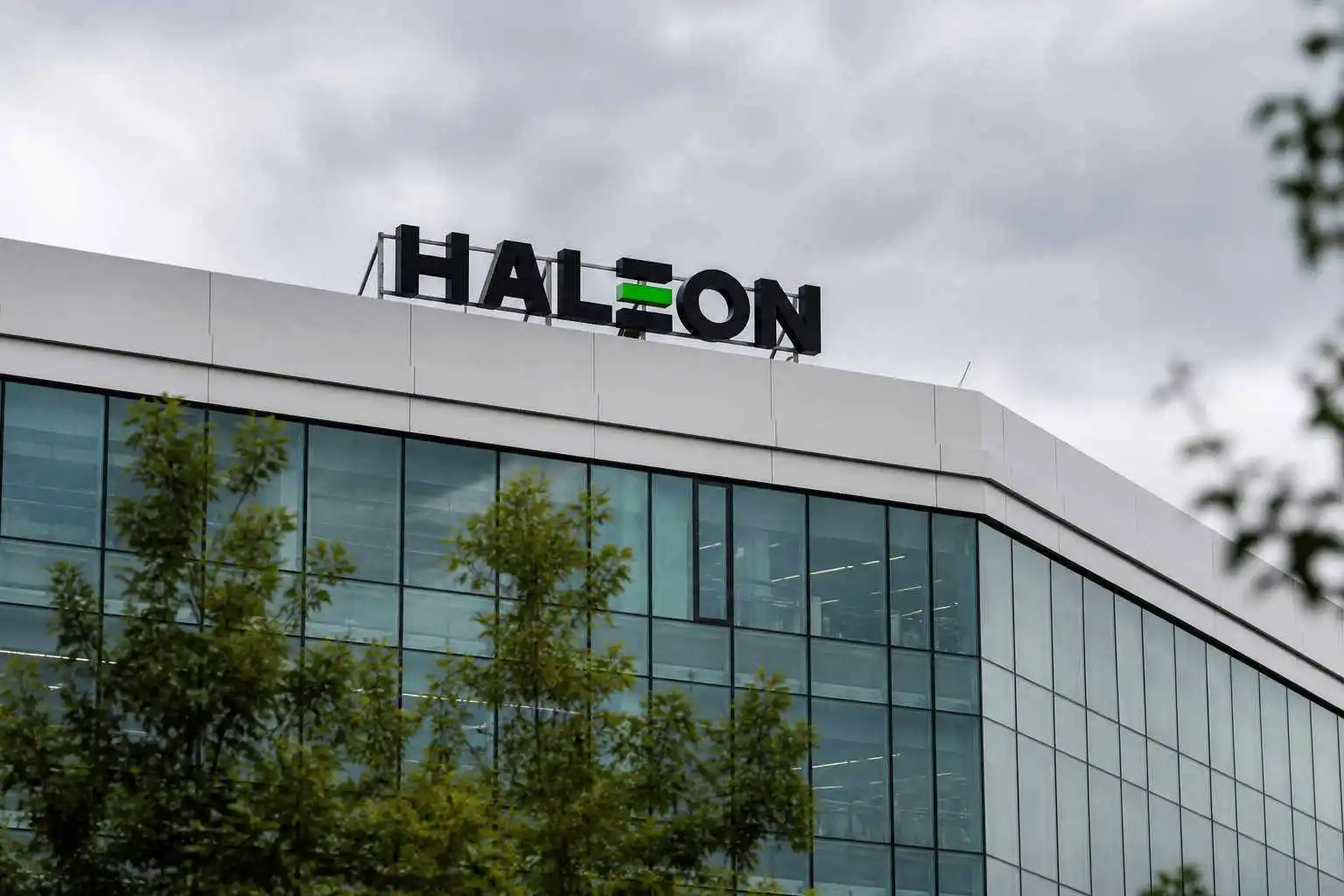
Haleon shares in London traded up on Tuesday. The Sensodyne maker announced a new phase of its share buyback, giving investors another catalyst as the UK market held firm.
Hargreaves Lansdown quoted Haleon at 340.10p to sell and 340.20p to buy, up 0.86%. Prices are delayed at least 15 minutes. Haleon said Monday it bought 8,316,688 ordinary shares for cancellation under the buyback announced in March.
Why it’s important: the buyback is playing a big part in the equity story as sales growth stays patchy. A buyback uses cash to repurchase company shares. Canceling those shares cuts the total share count.
FTSE 100 climbs as UK jobs data eases rate hike worries The FTSE 100 gained 0.61% by 11:13 GMT, lifted by the broader market and weaker UK labour data that took some pressure off rate hike fears. Midcaps outperformed, with the FTSE 250 up 0.81%.
Haleon disclosed in a new regulatory filing that it bought shares on the London Stock Exchange, CBOE UK, and Aquis from May 11 to May 15. After settling the trades, Haleon reported its registered share capital at 8,871,945,578 ordinary shares, with voting rights on 8,859,815,018.
Haleon has set aside 500 million pounds for buybacks in 2026, and said during its April trading update that it’s finished around 36% of that plan. The company describes buybacks as part of how it returns value to shareholders and manages capital.
Haleon reported first-quarter revenue at 2.86 billion pounds, with organic revenue growth at 2.2%. Organic growth excludes effects from currency shifts and mergers or asset sales. The company held its full-year outlook for 3% to 5% organic revenue growth and said it still expects adjusted operating profit to rise in the high-single digits at constant currency.
Chief Executive Brian McNamara said he expects “growth to accelerate across the balance of the year.” He pointed to stronger oral health sales and a pick up in North America. Oral Health was up 8.3% organically in the first quarter. Respiratory Health dropped 3.4% after a weak cold and flu season.
Mix matters for Haleon. The consumer-health firm, split off on its own, owns products like Sensodyne, Panadol, Advil, Centrum, Theraflu and Voltaren. Those big brands can help hold up prices, but sales volumes can slip if shoppers cut back or if illness seasons turn out mild.
Risks are still out there. Reuters said last month that companies like Procter & Gamble and Reckitt have higher energy and shipping costs tied to the Iran conflict. Reckitt also saw weak cold and flu sales. Haleon’s finance chief Dawn Allen told analysts the company had started getting freight surcharges. Quilter analyst Chris Beckett said Haleon “needs more than the toothpaste business to start performing.” Reuters
Haleon’s next update comes July 30 with its first-half results. Investors want signs of better numbers out of North America, less hit from its respiratory business, and a buyback that helps the stock, not just covers for soft volumes.