Űrkutatás 3 szeptember 2025 - 3 február 2026

SpaceX delays Starship Mars push, targets March 2027 moon landing first, WSJ says

A SpaceX elhalasztja a Starship Mars-misszióját, először 2027 márciusára tervez holdraszállást – írja a WSJ

SpaceX told investors it plans an uncrewed Moon landing in March 2027, delaying its previously scheduled Mars mission. The Wall Street Journal reports the company is prioritizing the lunar mission, with Mars plans on hold. NASA relies on Starship for its Artemis III Moon landing, now targeted for 2028. SpaceX did not comment on the report.
február 8, 2026
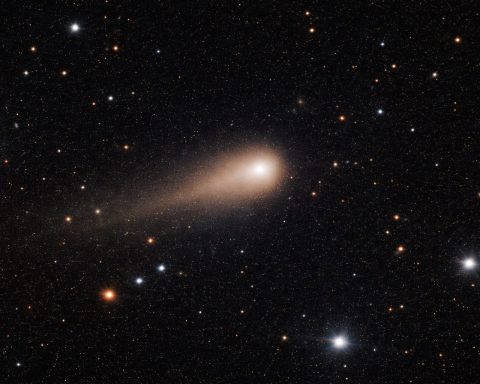
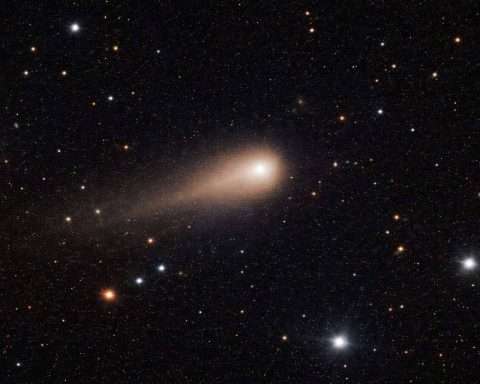
Methane spotted on interstellar comet 3I/ATLAS as new studies pin down its size

Metánt észleltek a 3I/ATLAS csillagközi üstökösön, miközben új tanulmányok pontosítják a méretét

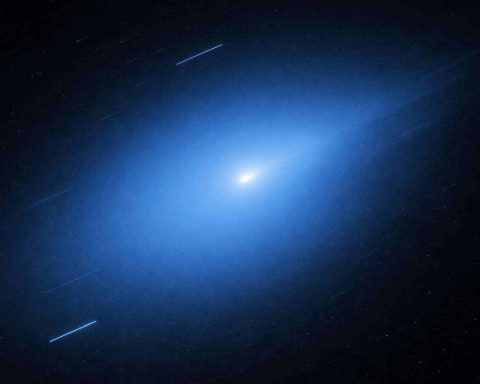
Scientists have directly detected methane in the interstellar comet 3I/ATLAS and found its nucleus is larger than expected, about 2.6 km wide, according to new preprints. The findings come from James Webb and Hubble observations in December as the comet dims and leaves the inner solar system. Methane, water, and nickel signals were observed. Only three interstellar visitors have been confirmed in the solar system.
február 3, 2026
Sun fires 4 strong solar flares as NOAA tracks X8.1 blast and possible Earth brush-by

A Nap négy erős napkitörést produkált, miközben a NOAA figyeli az X8.1-es kitörést és a Földet esetleg érintő hatást

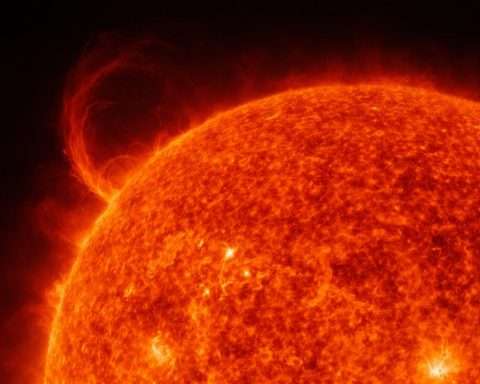
NOAA reported a powerful X8.1 solar flare from active region 4366, with minor impacts expected around February 5. NASA recorded four X-class flares between February 1 and early February 2, including the X8.1 event. U.S. forecasters raised the risk of radio blackouts and see a slight chance of a minor radiation storm in the next two days. Most ejected material is expected to miss Earth.
február 3, 2026
NASA’s TESS Spots Rare Interstellar Comet 3I/ATLAS — New Data Target Its Spin

A NASA TESS űrtávcsöve ritka csillagközi üstököst, a 3I/ATLAS-t észlelte — Új adatok a forgását vizsgálják

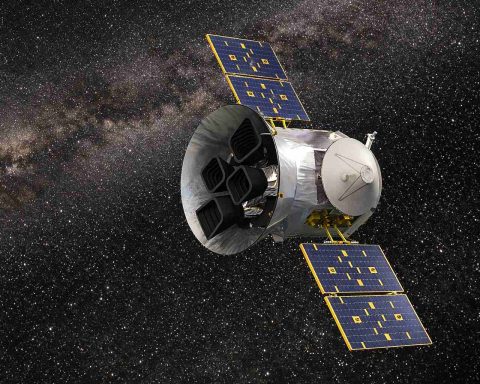
NASA’s TESS spacecraft captured new images of the interstellar comet 3I/ATLAS in January as it exits the solar system. Scientists are analyzing brightness changes to study its rotation and activity. TESS tracked the comet from January 15 to 22; the data are now public. 3I/ATLAS is only the third confirmed object from outside the solar system.
január 31, 2026
NASA’s TESS pauses planet hunt to track interstellar comet 3I/ATLAS as a rare alignment hits

A NASA TESS űrtávcsöve szünetelteti a bolygóvadászatot, hogy nyomon kövesse a 3I/ATLAS csillagközi üstököst egy ritka együttállás során

NASA paused TESS’s exoplanet survey to observe interstellar comet 3I/ATLAS from January 15-22. The satellite’s new pointing coincides with a near-opposition geometry, expected to improve dust measurements. All data will be released immediately, without proprietary period. NASA confirmed 3I/ATLAS poses no threat to Earth.
január 25, 2026
NASA interrupts TESS survey to track interstellar comet 3I/ATLAS as SPHEREx spots stronger gases

A NASA megszakítja a TESS felmérést, hogy nyomon kövesse a 3I/ATLAS csillagközi üstököst, miközben a SPHEREx erősebb gázokat észlel

NASA redirected its TESS satellite to observe the interstellar comet 3I/ATLAS from January 15–22, interrupting its usual schedule. SPHEREx data show the comet’s gas emissions surged twentyfold since August, with new signs of cyanide and organic gases. NASA says 3I/ATLAS poses no threat to Earth and will remain observable with small telescopes until spring.
január 22, 2026
Comet 3I/ATLAS suddenly looks “fully active” — and astronomers say the window is closing

A 3I/ATLAS üstökös hirtelen „teljesen aktívnak” tűnik – a csillagászok szerint azonban hamarosan véget ér a megfigyelési időszak

NASA’s SPHEREx telescope recorded a surge in gas and dust from interstellar comet 3I/ATLAS after its closest approach to the Sun. The comet, only the third confirmed interstellar object in the solar system, will reach opposition on January 22, improving visibility for Earth-based observers. Infrared data showed water vapor emissions 20 times higher than previous readings. NASA found no evidence of artificial origin.
január 21, 2026
Comet 3I/ATLAS Today (15 November 2025): ESA Path Update, Tail Revival, Radio Signals and Alien Claims Explained

A 3I/ATLAS üstökös ma (2025. november 15.): ESA pályafrissítés, csóva újjáéledése, rádiójelek és földönkívüli állítások magyarázata

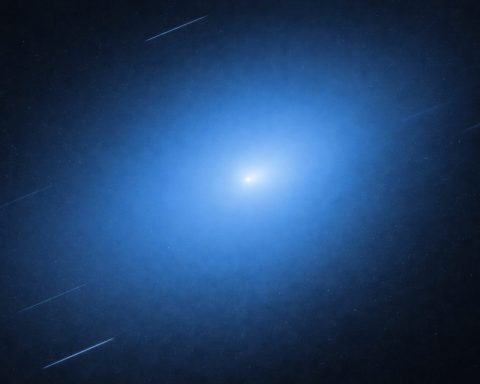
New images from November 11 show interstellar comet 3I/ATLAS survived its close approach to the Sun and remains intact, according to the Nordic Optical Telescope. The European Space Agency has refined the comet’s trajectory using Mars data. Debate continues after Harvard’s Avi Loeb suggested the object could be artificial, though most experts say its behavior fits a natural comet.
november 16, 2025
Satellites Powered by Water

Vízmeghajtású műholdak? A forradalmi hajtóanyag, amely megváltoztatja az űrrepülést

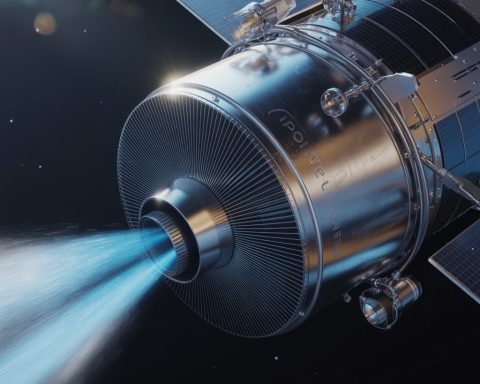
The Momentus Vigoride-5 completed 35 water-propelled engine burns in January 2023, raising its orbit by about 3 km. HawkEye 360 and Capella Space first used water thrusters commercially in 2018. NASA’s PTD-1 CubeSat tested water electrolysis propulsion in 2021. By 2024, fleets like Hawkeye 360 and BlackSky Gen-2 use water thrusters for station-keeping.
szeptember 7, 2025
Your Smartphone Can Now Text via SpaceX’s Starlink Satellites – Here’s Everything You Need to Know

Okostelefonod mostantól a SpaceX Starlink műholdjain keresztül is tud üzenetet küldeni – Íme minden, amit tudnod kell

SpaceX Starlink’s “Direct to Cell” service now lets standard 4G LTE phones send text messages via satellite in supported areas, requiring no extra hardware. T-Mobile, Rogers, and other partners plan to launch satellite messaging, including 911 texts, in 2025. Data and voice services are expected later. Competitors AST SpaceMobile and Lynk Global are also testing satellite-to-phone connections.
szeptember 3, 2025