SHENZHEN, China, January 24, 2026, 20:14 (CST)
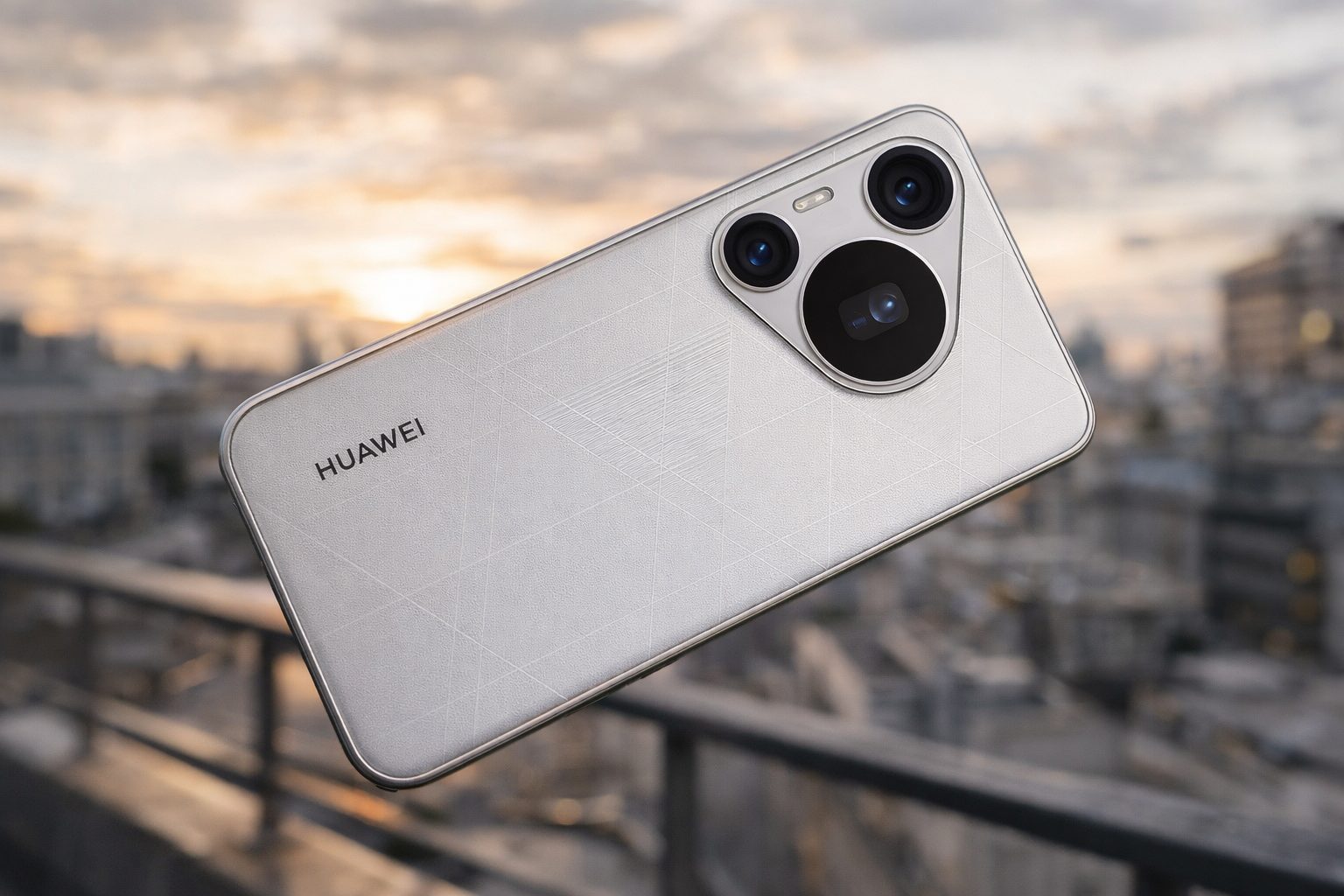
Huawei might boost its upcoming Pura 90 flagship’s performance by cranking up the RAM—essentially the phone’s short-term memory for apps—instead of switching to a new processor, Huawei Central reported Saturday, citing leaks. The site mentioned a hefty 20GB RAM option could appear on an “Ultra” variant, with a potential launch in the second quarter of 2026, though these details remain unconfirmed. 1
This rumour matters because Huawei’s flagship launches often serve as a real-time gauge of how far it can push premium phones domestically amid ongoing U.S. restrictions. When it rolled out the Pura 80 series last June, Huawei highlighted camera and AI enhancements but said little about the chips inside. Meanwhile, its comeback has intensified competition with Apple in China. 2
A memory-heavy phone hits the market as chip prices climb, driven by AI data centers gobbling up supply. Device makers now face tough choices: swallow the extra costs or pass them on to buyers. “Manufacturers might absorb some costs but given the scale of the shortage, it is certainly going to show up as higher prices for consumers,” Emarketer analyst Jacob Bourne told Reuters this week. 3
Huawei has dipped its toes into the high-RAM market before. On its Chinese consumer site, the Mate 80 RS Ultimate Design is listed with a hefty 20 GB of RAM. 4
RAM acts as the workspace that lets a phone keep apps and data within easy reach. Having more of it can speed up multitasking, but it won’t overcome the constraints imposed by the processor, graphics chip, and modem — those handle the heavy-duty tasks.
Washington started limiting Huawei’s access to U.S. technology back in 2019, forcing the company to develop its own chips and operating systems. “We kept on doing the hard things but the right things,” said Yu Chengdong, head of Huawei’s consumer business group, during a 2025 event where the company unveiled its first laptops running HarmonyOS. 5
The Pura line aims squarely at the premium market dominated by Apple and Samsung, while Chinese players like Xiaomi battle for ground with rapid hardware updates. Memory has emerged as a key spec in this race, especially as manufacturers push to run more AI functions locally rather than relying on the cloud.
The Pura 90 specs are still unofficial, and Huawei might tweak its bill of materials before production. Moving up to 20GB would hike costs and power consumption, with actual benefits hinging on other factors like cooling and software optimization—especially now, when memory shortages are a real concern.
For Huawei, boosting memory is a straightforward move to improve performance amid chip shortages. Buyers want to see a firm launch date and pricing details, plus reassurance that upgrades won’t drive flagship costs even higher.