SHENZHEN, China, April 14, 2026, 00:02 (China Standard Time).
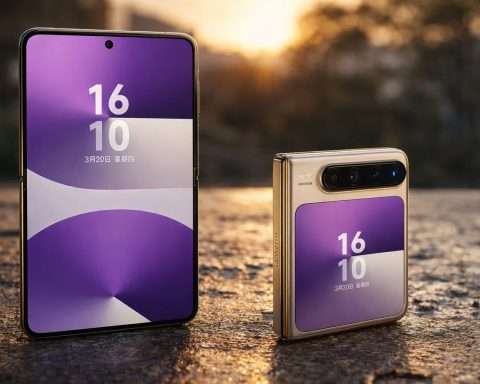
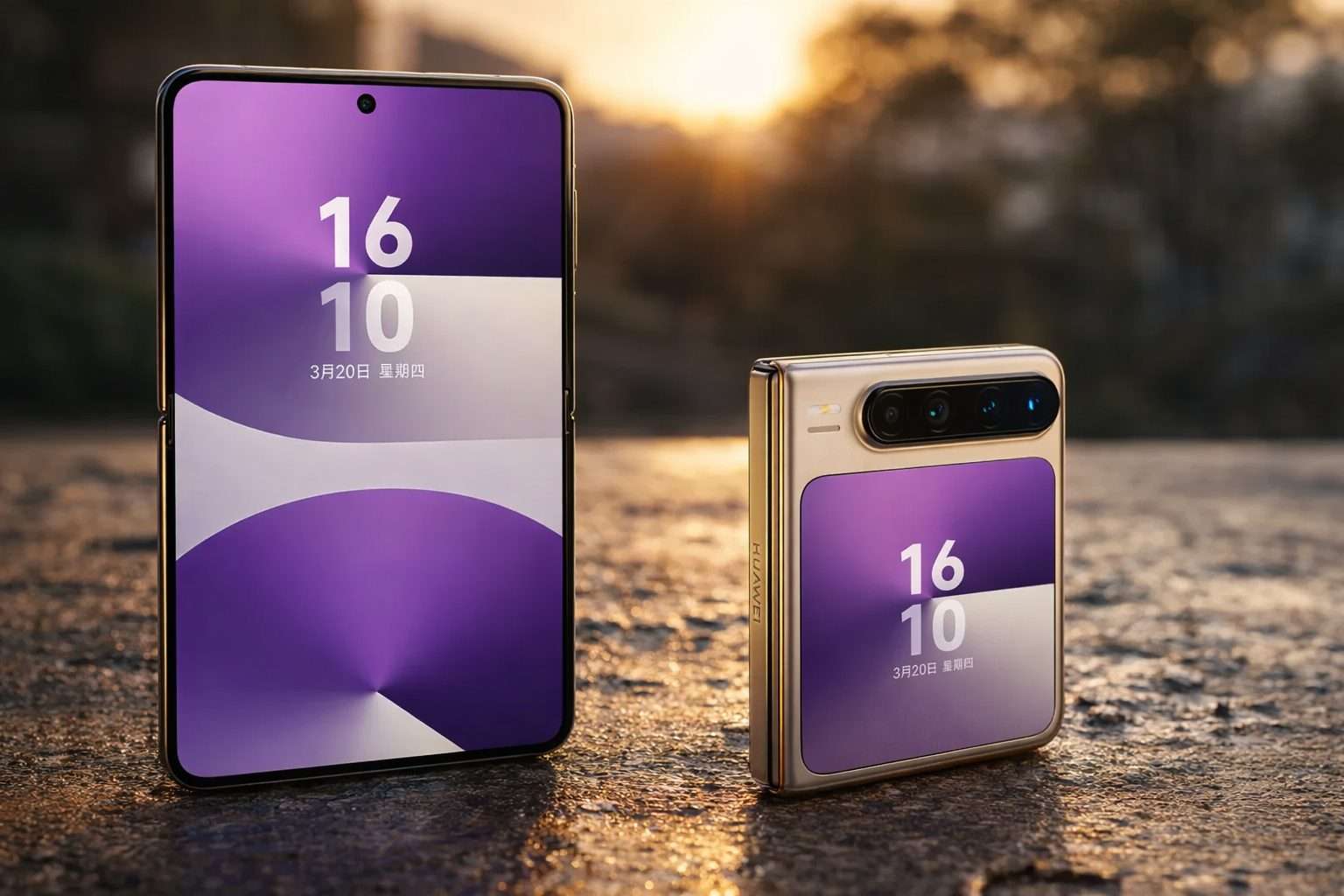
Huawei on Monday revealed the design of the Pura X Max, a new wide-format foldable due in China on April 20, getting to market ahead of similar devices widely expected from Apple and Samsung. Early company imagery showed a short, broad body and a triple rear camera setup.
The timing matters because 2026 is shaping up as a reset year for foldables. Counterpoint said in March the category could grow 20% this year as Apple’s expected entry intensifies competition, while Omdia said last week foldables will start moving predominantly toward a 14.2:10 aspect ratio — the width-to-height shape of the screen — from 2026.
Huawei is still holding back the hard numbers. A VMall reservation page showed a 1,000 yuan deposit and no public price, while the company’s early listing did not disclose full specifications.
The device extends Huawei’s earlier experiment with wider screens. The original Pura X went on sale in 2025 as an extra-wide flip phone, and the new Max appears closer to a book-style foldable — a phone that opens sideways like a small tablet — with company imagery showing it used in both portrait and landscape.
In remarks cited Monday by HuaweiCentral, Li Xiaolong, chief technology officer in Huawei’s consumer business group, said he had used the handset for three months and called it “the best double fold I’ve ever used.” Huawei Central
Apple remains the clearest comparison point. The Verge reported last week that dummy units for Apple’s still-unannounced foldable iPhone showed a similarly wide body, and Reuters reported on April 7 that Nikkei had said engineering setbacks could delay first shipments by months in a worst-case scenario, though Bloomberg later said the device was still on track for September and Reuters could not independently verify the reports.
Samsung is moving in the same direction, at least according to recent reports. 9to5Google and SamMobile said Samsung could unveil a Galaxy Z Fold Wide on July 22, giving Huawei a few months to test whether buyers actually want a shorter, wider foldable.
There is a practical case for that shape. Linda Sui of Smart Analytics Global wrote on LinkedIn that wider layouts are “better aligned with human visual behavior” for multitasking, video viewing and reading, rather than forcing users onto narrow outer screens and overly tall inner ones. LinkedIn
But Huawei’s head start could still prove narrow. Price remains undisclosed, the sales push is so far confined to China, and handset makers are also dealing with rising memory costs; Reuters quoted Counterpoint analyst Shilpi Jain as saying the recent smartphone shipment slowdown was “primarily driven” by suppliers prioritizing AI data centers over consumer electronics. VMall
Samsung still controlled nearly two-thirds of the foldable smartphone market in the third quarter of 2025, Reuters reported in January, so Huawei is moving first in a format where the market leader still sits elsewhere. Whether that early move lasts will depend less on teaser images than on price, durability and how fast Apple and Samsung answer back.