LONDON, March 3, 2026, 09:09 GMT
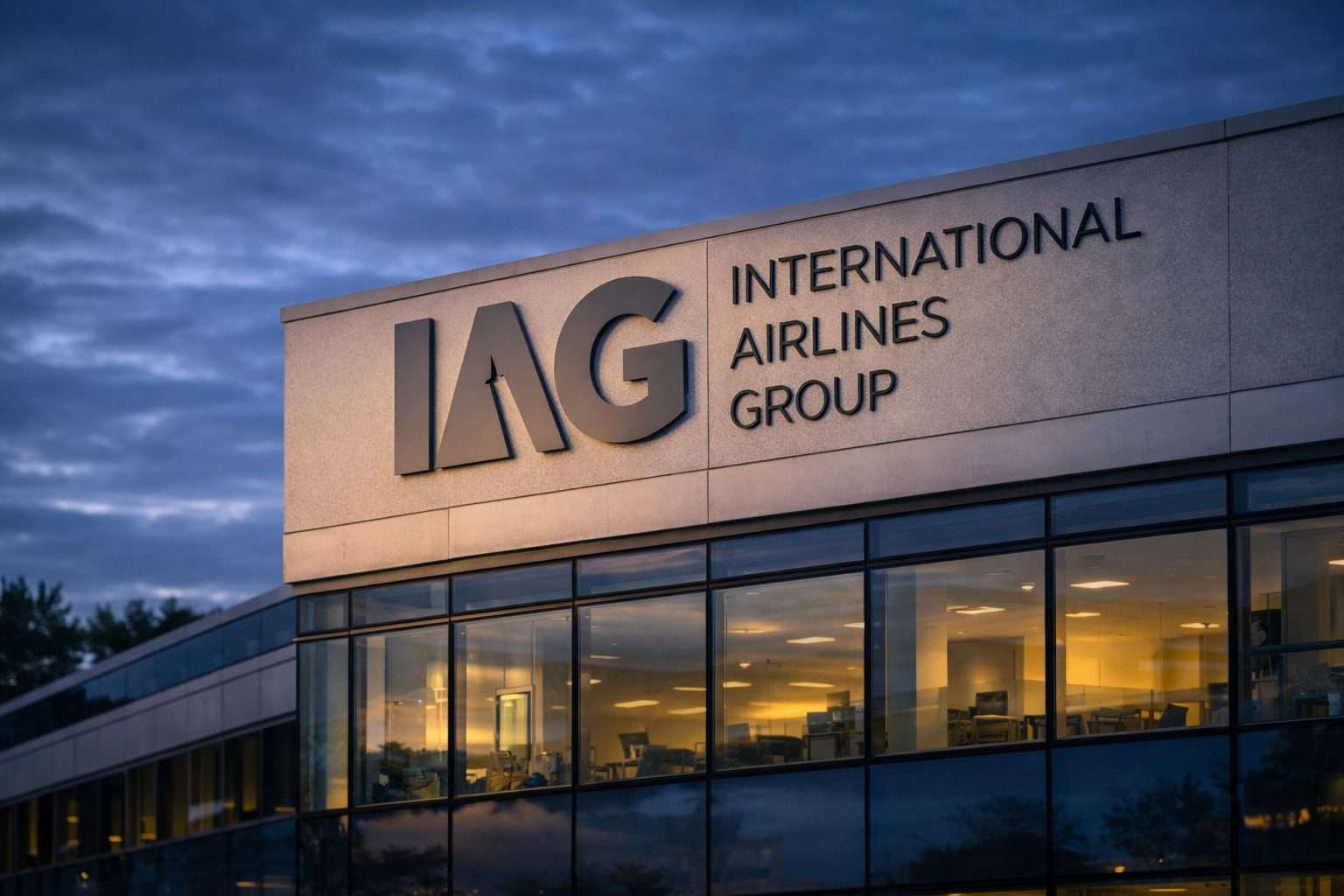
IAG shares were down 3.4% at 386.8 pence by 0835 GMT on Tuesday, extending a sharp pullback in the airline group’s stock. The shares closed at 400.5 pence on Monday. 1
The move comes as airlines and investors try to price the knock-on effects of the U.S. and Israeli war against Iran, including disrupted routes and higher fuel bills. Qantas CEO Vanessa Hudson said the carrier had “pretty good” fuel hedging — contracts that lock in prices — but called the oil spike “significant” for aviation. 2
European Central Bank chief economist Philip Lane warned a prolonged conflict could push inflation higher and drag on growth. “Directionally, a jump in energy prices puts upward pressure on inflation,” he told the Financial Times. 3
On Monday, travel shares tumbled and a basket of 29 airlines, hotels and travel firms shed $22.6 billion in market value, according to Reuters calculations. Europe’s TUI closed down 9.9%, Lufthansa fell 5.2% and British Airways owner IAG lost 5.5%, while analysts at JPMorgan, Goodbody and Citi pointed to Wizz Air as the most exposed European carrier because of its presence in Israel. “Every airline is full and every flight is full,” said Paul Charles, head of travel consultancy PC Agency. 4
In London, IAG fell 5.5% on Monday after the airline said it had cancelled flights to Tel Aviv and Bahrain until March 3. The blue-chip FTSE 100 closed down 1.2% and the FTSE 350 travel and leisure index dropped 4.3%. “If the issues persist,” the market will fret about “new inflationary pressures,” said Dan Coatsworth, head of markets at AJ Bell. 5
Some rivals were already shifting into recovery mode. TUI said it would start flights on Tuesday to bring customers home from the Middle East, working with Etihad, Emirates and Qatar Airways, and said about 30,000 German tourists were stranded in the region. “We expect to carry out the first flights today,” CEO Sebastian Ebel told broadcaster NTV. 6
Broader markets stayed shaky in early European trade. The STOXX 600 was down 1.3% by 0804 GMT, with investors weighing the risk of a drawn-out war and the cost-of-living hit from higher oil prices. 7
Monday’s selloff was the sharpest in months for European stocks. The STOXX 600 closed down 1.7%, and Wells Fargo Investment Institute strategist Paul Christopher said he expected a “short, hard-hitting” regional conflict, adding that past flareups often saw sentiment recover once oil flows looked safe. 8
The risk for airlines is that the war drags on and keeps fuel costs elevated, while forcing longer routings around closed airspace. Marine insurers are cancelling war-risk cover for ships in the Gulf and premiums have risen up to 1% of a vessel’s value from around 0.2% last week, adding hundreds of thousands of dollars per shipment, Reuters reported. “Each underwriter is invariably increasing rates … or even declining to offer terms,” said David Smith, head of marine at broker McGill and Partners. 9
For IAG, the next catalysts are not complicated: how long flight disruptions last, and whether energy prices cool. Until that is clearer, traders are likely to keep leaning on headlines.