
LONDON, March 26, 2026, 18:27 GMT
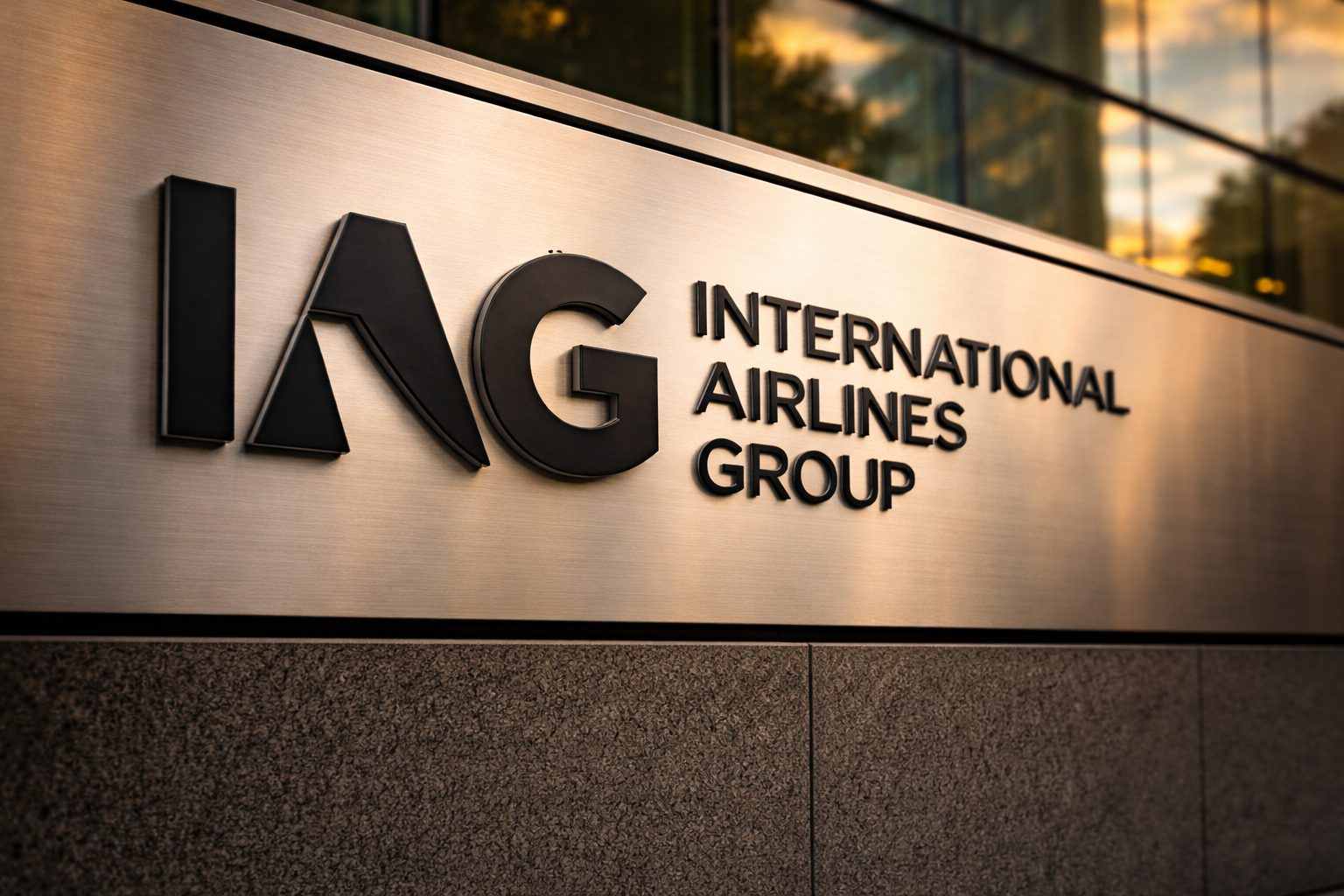
International Consolidated Airlines Group—parent of British Airways—slipped about 2% to 359 pence on Thursday. The decline came despite news of a capital reduction through the cancellation of 115.5 million treasury shares. At Thursday’s close, the stock traded roughly 23% under its 52-week peak from Feb. 27.
This filing is significant—it cancels shares acquired during a €1 billion buyback wrapped up in November, pushing forward IAG’s push to return cash to investors. That push got fresh fuel on Feb. 26, when a new €500 million repurchase kicked off, again aiming specifically to cut share capital.
IAG on March 24 announced it cut its share capital by 11.553 million euros after scrapping 115,531,620 treasury shares, shares it had previously repurchased and kept on its balance sheet. Following the move, the company reported holding 89,529,783 treasury shares, with 4,522,139,744 shares still in circulation.
The drop on Thursday tracked a broader market slump, not just an isolated hit to the company. The FTSE 100 in the UK ended the day off 1.3%, while the STOXX 600 across Europe shed 1.2%. Middle East tensions lingered, fueling inflation jitters and abruptly halting a short-lived rebound in local stocks.
Investors are still digesting IAG’s Feb. 27 update. The group posted a 2025 operating profit before exceptional items of 5.02 billion euros, narrowly beating analyst expectations, and committed to returning 1.5 billion euros to shareholders over the next year. Shares, however, dropped 6% on the day—worries flared over the absence of 2026 guidance and exposure to fuel costs. Chief Executive Luis Gallego highlighted “a rebound” since Q3, citing robust Q1 bookings and steady premium and corporate demand at British Airways. Reuters
Management has tried to keep fuel costs under control. IAG told Reuters on March 10 that it was well hedged for the short term—so some of its fuel bill was already locked in—and didn’t plan to hike fares right now, despite jet-fuel prices jumping to around $150-$200 a barrel from the $85-$90 range before the recent Middle East disruption.
IAG isn’t alone in facing this. According to Reuters, a lasting 10% increase in jet-fuel prices could shave anywhere from 3% to 10% off operating profit for IAG, Air France-KLM, Lufthansa, and Ryanair, based on estimates from J.P. Morgan. And Bank of America’s Nathan Gee flags that carriers catering to more price-sensitive travelers “get squeezed the most in this environment.” Reuters
Company-specific dangers aren’t off the table. Aer Lingus CEO Lynne Embleton flagged a “serious risk” on Wednesday: if the Dublin Airport passenger cap stays in place, the U.S. might respond by curbing Irish carriers’ transatlantic flights. Over at Morningstar, analyst Nicolas Owens points out that March’s fuel spike will squeeze airline profits. So for IAG, the share count may be slimmer, but the to-do list is far from clean. Reuters