New York, March 4, 2026, 06:48 EST
- Asian equities tumbled, with oil sticking close to recent highs and reigniting “oil shock” worries.
- U.S. stock futures held steady following news about indirect outreach to Iran, while concerns over inflation remained in focus.
- Early market moves after major shocks have a habit of fading, but history shows that isn’t a given.
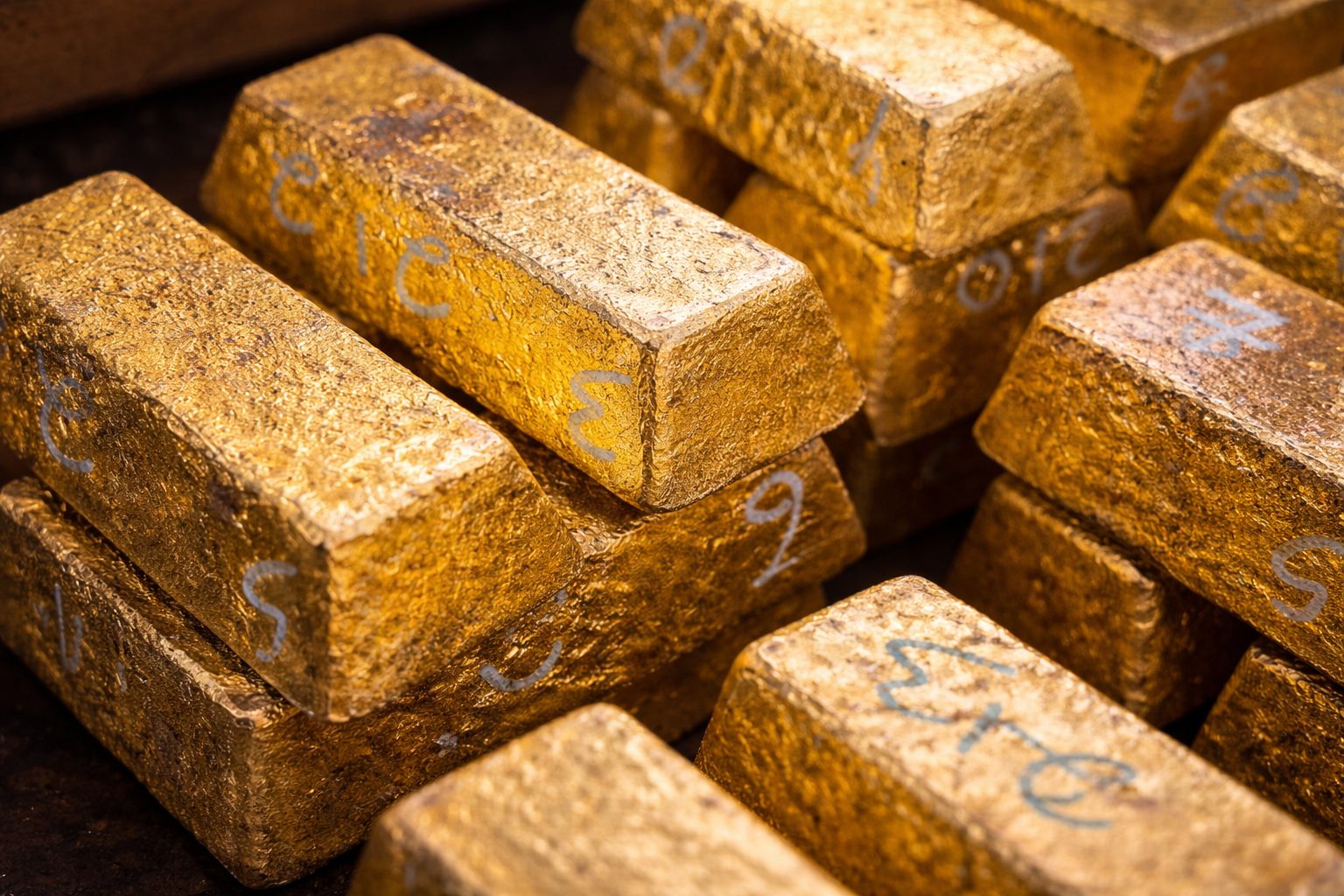
Wednesday saw another slide across Asian markets, with South Korea’s KOSPI tumbling 12% and Brent crude holding firm at $83.76 a barrel as traders braced for a drawn-out energy jolt from the Iran conflict. Gold, battered by a 4% drop on Tuesday, clawed back 1.5% to $5,155 an ounce. U.S. futures ticked a bit lower; Europe’s STOXX 600 managed a 0.6% gain. “Asia’s selloff is turning disorderly,” said Charu Chanana, chief investment strategist at Saxo in Singapore, noting that investors are no longer shrugging off the war as a short-term shock. 1
Energy typically channels geopolitical shocks straight into inflation — and that’s where traders are still pinning their bets on rate cuts. Trump announced he’d told the U.S. International Development Finance Corporation to provide political-risk insurance, also mentioning possible naval escorts for tankers at the Strait of Hormuz. But a number of analysts doubted this would have much immediate impact on shipping or prices. 2
Tuesday’s action on Wall Street was unmistakable: the Dow slipped 0.8%, S&P 500 shed 0.9%, and the Nasdaq ended down 1%, as rising energy costs stoked concerns about persistent inflation. “The market remains so resilient,” said Andrew Slimmon, senior portfolio manager at Morgan Stanley Investment Management, though he noted investors “might be underestimating the geopolitical risk.” Osaic’s Phil Blancato described it as a “risk-off” move, with traders unloading stocks and other riskier bets. His caution: if oil prices stay elevated, the Federal Reserve could find itself unable to move on rate cuts. 3
U.S. stock index futures clawed back early losses on Wednesday after a New York Times report indicated Iranian operatives had made indirect contact with the CIA, aiming to discuss possible terms to end the ongoing five-day conflict involving Israel and the United States. But according to the report, U.S. officials remained wary. In premarket moves, Delta Air Lines added 1%, Carnival ticked up 0.4%, and Nvidia was up 1.4%. 4
South Korea’s market, once hailed as a poster child for the AI rally, has seen a sharp reversal. This holiday-shortened week, shares of Samsung Electronics and SK Hynix — both chipmaking heavyweights — each dropped around 20%. The won didn’t escape the rout either, slipping past 1,500 per dollar for the first time in 17 years, according to Reuters. The KOSPI fell hard enough to trigger circuit breakers—the kind of trading pause not seen since August 2024. 5
Bloomberg’s Markets Daily newsletter pointed out that the selloff landed hardest on some of this year’s top-performing stock trades, highlighting South Korea’s Kospi based on early pricing. 6
Despite sharper swings in global markets, U.S. investors have at times seemed surprisingly unfazed by the war, CNN reported. Early Tuesday, the Dow tanked more than 1,200 points right after the open but clawed back much of the loss, ending down around 400. According to David Stubbs, chief investment strategist at AlphaCore Wealth Advisory, wars tend not to “materially impact” the path of U.S. corporate profits. Glenmede’s Jason Pride echoed the point, noting that these kinds of shocks can spark short-lived volatility but rarely knock longer-term growth off track. Carson Group’s Ryan Detrick, referencing data from 40 major events spanning 85 years, said the S&P 500 typically drops 0.9% in the first month after such incidents, but then averages a 3.4% gain over the six months that follow. 7
History isn’t always kind to snap judgments on day-one market moves, Yahoo Finance analysis suggests. SEI’s Jim Smigiel cautioned that investors “don’t have enough information” about the duration of the conflict, recommending they “take a breath.” Strategas’ Chris Verrone pointed to oil topping out about a week after Russia went into Ukraine, saying he’d still be a buyer on dips in energy stocks. Yahoo’s review: gold leapt 6.85% the day after Sept. 11, but only managed a 2.28% gain over the next 30 days; oil soared more than 34% following the outbreak of the Ukraine war, yet after 30 sessions, it was up just 1.53%—Iraq’s 1990 Kuwait invasion being an outlier, with oil prices continuing higher. 8
Here’s the blunt risk: A prolonged war, with worsening shipping or production snags, could send energy costs surging across sectors—hitting airline profits, nudging up consumer prices, and eventually shaping central bank moves. That’s the bearish scenario markets can’t quite nail down, particularly if forced selling picks up and so-called “safe havens” don’t offer actual shelter.
Right now, headlines are tossing traders back and forth: any suggestion of negotiations pushes futures higher, a fresh strike dents Asia, and oil just sits there, ruling from the sidelines. The real focus over the next few sessions shifts from picking a winner to something simpler—figuring out how long pricey energy sticks around.