
London, March 27, 2026, 14:10 GMT
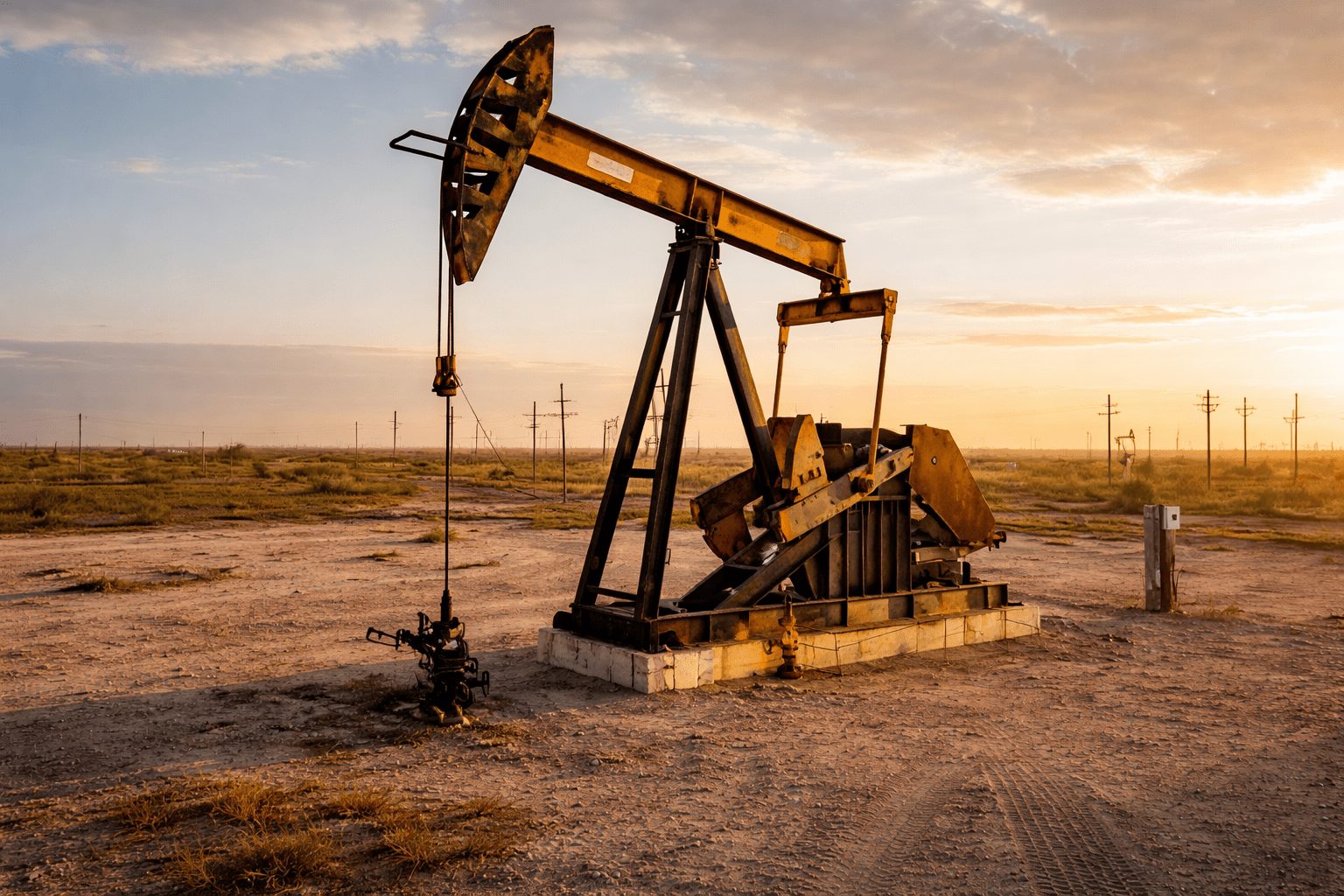
Stocks worldwide slid Friday, with Wall Street starting in the red. Brent crude, meanwhile, pushed past $110 a barrel again. President Donald Trump extended the deadline for Iran to resume shipping through the Strait of Hormuz, but investors remained unconvinced.
This shift is drawing attention because both stocks and government bonds are under pressure—investors are unloading both, hinting at nerves over a lasting, energy-fueled inflation shock instead of just a fleeting geopolitical jolt. The strait remains restricted. Rate cuts in the U.S.? Traders are nearly ruling them out. Officials, meanwhile, on both sides of the Atlantic, are sounding alarms about the risk of slower growth and mounting prices.
The U.S. selloff Thursday marked the steepest decline since the war erupted. Dow finished down roughly 450 points. S&P 500 lost 1.7%. Nasdaq tumbled 2.4%, tipping the tech index into correction territory—down at least 10% from its recent peak.
Stocks in Europe and Asia struggled again Friday. The STOXX 600 slipped 1%, Germany’s DAX dropped 1.2%, and the MSCI Asia-Pacific index, minus Japan, gave up 0.8%. European and Asian shares, combined, have now tumbled over 8% since the conflict kicked off. “Words alone aren’t cutting it right now,” said Matt Britzman, senior equity analyst at Hargreaves Lansdown. Reuters
Oil and bonds moved in sync: Brent gained 2.64% to $110.86 a barrel, with U.S. crude adding 2.68% to $97.01. The 10-year Treasury yield jumped to 4.468%, the highest mark since July. Germany’s 10-year yield also hit levels not seen since 2011. Usually, about a fifth of the world’s oil and LNG passes through the Strait of Hormuz.
Traditional safe havens aren’t behaving as investors had hoped. Gold was set for its fourth consecutive weekly decline, on the heels of a sharp 16% tumble this month. Money managers pointed out that Treasuries, the yen, and the Swiss franc haven’t delivered their usual protection, either. “There are very few risk-off assets,” Rajeev De Mello, chief investment officer at GAMA Asset Management, said, referring to assets that typically rally when fear grips the market. Reuters
AI-linked tech giants took another hit Thursday, slammed by valuation worries and higher rates. Meta sank 8%, Nvidia slid 4.2%, while Alphabet was down 3.4%. That’s enough weight from just a handful of stocks to pull the Nasdaq sharply lower.
Macro signals keep worsening. The OECD has scrapped hopes for a global growth upgrade, now projecting world growth at just 2.9% for 2026 and lifting its G20 inflation outlook to 4.0%. U.S. inflation, they now say, could hit 4.2% that year. Fed Governor Lisa Cook flagged the shift toward inflation risks. Over in Europe, Economic Commissioner Valdis Dombrovskis warned that even a brief supply shock might shave 0.4 percentage points off EU growth, and send inflation up by as much as a full point.
The outlook remains sharply divided. According to Macquarie, crude prices could drop fast if the conflict wraps up soon, though not all the way back to pre-war levels. But should the fighting drag into late June, the bank puts oil as high as $200 a barrel. Investors are still on edge about “a flurry of events over the weekend” with markets closed, said Sparta Commodities analyst Neil Crosby. Reuters
Traders seem to be shrugging off diplomatic news, focusing instead on hard data like tanker movements, oil volumes, and concrete progress at the negotiating table. Friday told the story: stocks slipped, crude firmed up, the dollar pushed higher, and yields climbed. It’s clear the market wants something more tangible.