
London — It’s 11:03 BST on May 7, 2026.
- Tony Fernandes of AirAsia called the jet fuel price spike “much worse” than Covid-19, saying unpredictable fuel costs have thrown off planning. City AM
- Roughly 13,000 flights vanished from May schedules globally, trimming close to two million seats, according to Cirium data.
- Governments have started to loosen airline regulations and are considering support packages, as higher fuel costs spill out of oil markets and start hitting ticket prices, business expenses, and summer trips.
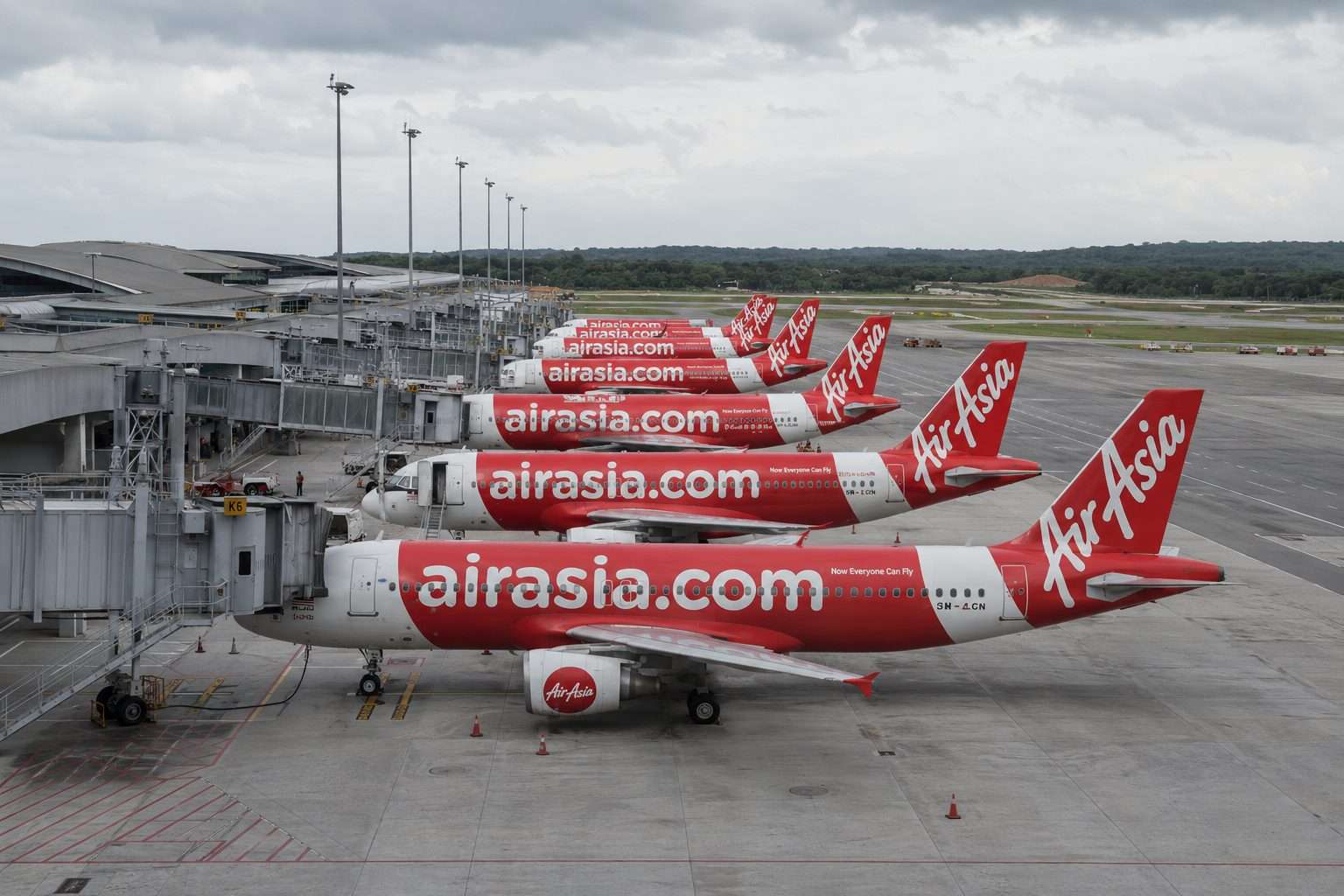
AirAsia Chief Executive Tony Fernandes didn’t mince words, calling the jet fuel crisis sparked by the Iran war even tougher on airlines than the Covid-19 pandemic. As one of Asia’s most prominent low-cost airline bosses, his warning comes as carriers slash flights and push fares higher.
Speaking to the Financial Times, Fernandes said jet fuel costs had nearly tripled. “I thought I’d seen it all with Covid,” he remarked. “But this is much worse.” According to him, “You wake up one day and your major cost has tripled.” City AM
The warning comes right as the summer travel rush is kicking off. Cirium numbers used in recent reports point to about 13,000 flights cut from May schedules, wiping out close to two million seats. It’s only a slice of global capacity, but for carriers used to packed planes, cheap fuel, and locked-in schedules, the hit is hard to ignore.
The crunch traces back to the Strait of Hormuz, the vital Gulf route for crude and refined products. Asia’s jet fuel exports slumped to 596,000 barrels per day in April, down sharply from 1.54 million bpd before the conflict, Reuters columnist Clyde Russell noted. As for prices, Singapore jet fuel surged 70% since just before the U.S.-Israel strike on Iran.
Airlines aren’t moving in lockstep. Lufthansa has slashed much of its short-haul network, while Turkish Airlines trimmed some flights as well. Spirit Airlines, meanwhile, has shut down in the U.S. altogether after the spike in fuel costs wrecked its turnaround bid. In U.S. bankruptcy court, a lawyer for Spirit said pricier jet fuel had left the carrier with “no remaining way out”. Reuters
Fuel isn’t the sole expense on the ledger, but airlines don’t get to skirt it for long. U.S. passenger carriers shelled out a bit more than $5 billion for jet fuel in March, a jump of $1.8 billion, or 56%, from February, according to the U.S. Transportation Department. Fuel can eat up as much as a quarter of an airline’s operating budget.
It’s not just aviation feeling the heat. A UK services report found firms hiked prices in April at the quickest rate seen since early 2021, with higher fuel, transport, and wage bills biting. Tim Moore of S&P Global Market Intelligence warned the services rebound “could easily prove short-lived”. Reuters
The UK government is looking to act before staffing shortages start causing headaches for travelers. Officials said there are “no immediate supply issues,” but they’ve floated relaxing the “use-it-or-lose-it” airport slot rules—which usually force airlines to use most of their take-off and landing slots to keep them on the books. If adopted, that would let carriers combine flights instead of flying planes that are barely half full. Gov
France is lining up aid as well. Transport Minister Philippe Tabarot called the situation a “major shock” for airlines, and said Paris is considering steps like social security deferrals, stretching out tax payments, and allowing more leeway on fuel load requirements. About 75% of Europe’s jet fuel imports come from the Middle East, according to Reuters. Reuters
Brent crude slipped under $100 a barrel on Thursday, with traders latching onto hopes for a U.S.-Iran peace agreement and signs of Hormuz gradually reopening. Still, Priyanka Sachdeva of Phillip Nova flagged that the oil market remains caught between “diplomacy and disruption.” She cautioned that any renewed attacks could unleash another “parabolic spike” in crude. Reuters
The sharper worry: prices could drop on headlines, yet the actual market stays tight. Reuters flagged a rapid drawdown in inventories and emergency stocks. TotalEnergies CEO Patrick Pouyanne called out “very low inventories,” regardless of whether fighting stops in May. Over at Equinor, CEO Anders Opedal put it bluntly—a normal supply picture might be at least six months away. Reuters
There’s fresh chatter around cleaner aviation fuels in the wake of the crisis, but no one’s calling it a quick solution. Rafael Palacios, Imperial College London’s head of aeronautics, described the recent price spike as “horrendous” to the Guardian. Synthetic fuel is already out there, Palacios noted — though it can run “10 times more expensive.” Hydrogen-powered planes, for their part, would need entirely new fuel systems and different airport setups. The Guardian
Right now, travelers are being told to double-check their flights, brace for pricier tickets, and keep an eye on schedules before leaving home—not just at the gate. The UK government isn’t advising passengers to alter travel plans just yet. Still, officials warn that airlines could combine flights on the same day if fuel issues escalate.