KENNEWICK, Washington, March 10, 2026, 08:30 PDT
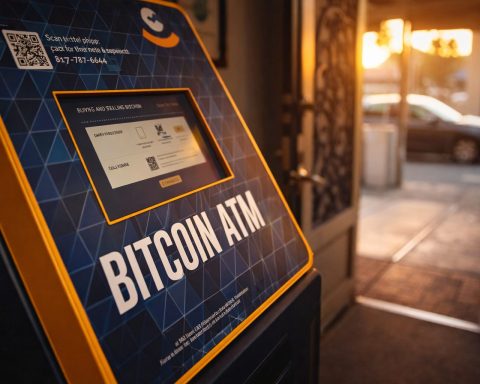
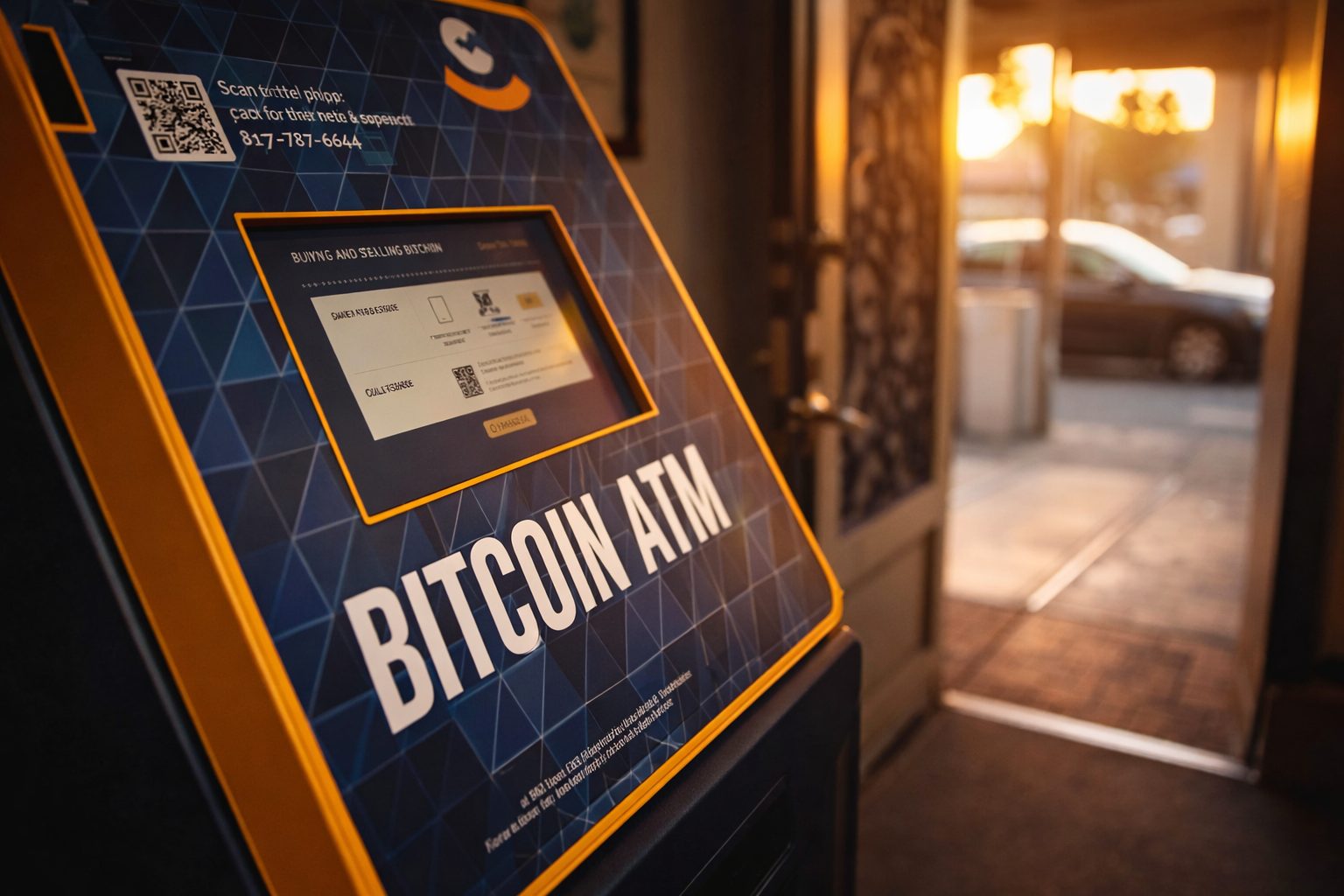
Kennewick City Council is due to review later Tuesday a proposal that would force all virtual currency kiosks out of the city within 60 days, after police linked the machines to $923,771 in losses across 37 reported cases. The kiosks, often called Bitcoin ATMs, let people buy or sell cryptocurrency using cash or debit cards. Kennewick has 16 sites, mostly in grocery and convenience stores, and four cases worth $132,840 have already been reported this year, with final action or consideration planned for March 17. 1
The push is spreading because once cash is turned into crypto, recovery gets hard fast. Singapore police said cases involving cryptocurrency transfers cost victims about $182.2 million in 2025, while the U.S. Federal Trade Commission said losses tied to Bitcoin ATM scams rose nearly tenfold from 2020 to 2023 and topped $65 million in the first half of 2024, with older adults reporting the biggest losses. 2
Washington state lawmakers are still weighing Senate Bill 5280, a Department of Financial Institutions-backed measure on kiosk consumer protections, and it remained before the House Consumer Protection and Business Committee as of Tuesday morning. Spokane moved faster, banning virtual currency kiosks last June after its council said the machines had become a preferred tool for scammers. 3
Minnesota lawmakers are considering a harder step. House File 3642 would prohibit virtual currency kiosks statewide and, as of March 5, had bipartisan authors while remaining in the House Commerce Finance and Policy Committee; law enforcement testimony carried by CBS Minnesota said the machines were a prime tool for targeting older residents, including one elderly woman who was coerced into giving up $80,000. 4
KSTP reported similar pressure on local officials there. Faribault Police Chief John Sherwin said residents have lost more than half a million dollars to crypto ATM scams since 2022, and the station said Minnesota has about 350 licensed kiosks run by eight to 10 companies. Industry representatives pushed back, with CoinFlip’s Larry Lipka saying, “it’s the scammers.” 5
The Singapore cases described in AsiaOne followed a familiar script. Victims were lured by social media ads for crypto “investments” or “jobs,” told to open cryptocurrency accounts and buy coins, then directed to transfer the assets to designated wallets or hand over recovery phrases and login credentials that let scammers take control of the holdings. 6
Advocates for tighter rules say the clampdown is widening. AARP said 14 states passed crypto kiosk consumer-protection laws in 2025, bringing the total to 17, and government affairs director Françoise Cleveland said the goal was “good protections against fraud” whether people use crypto kiosks, gold or other payment channels. 7
But the policy answer is still uneven. TVW reported last month that Washington’s effort to tighten crypto-kiosk rules stalled after a scheduled House committee vote was skipped. That suggests local councils may keep moving ahead while statewide rules remain unsettled. 8