
New York, June 5, 2026, 16:01 EDT
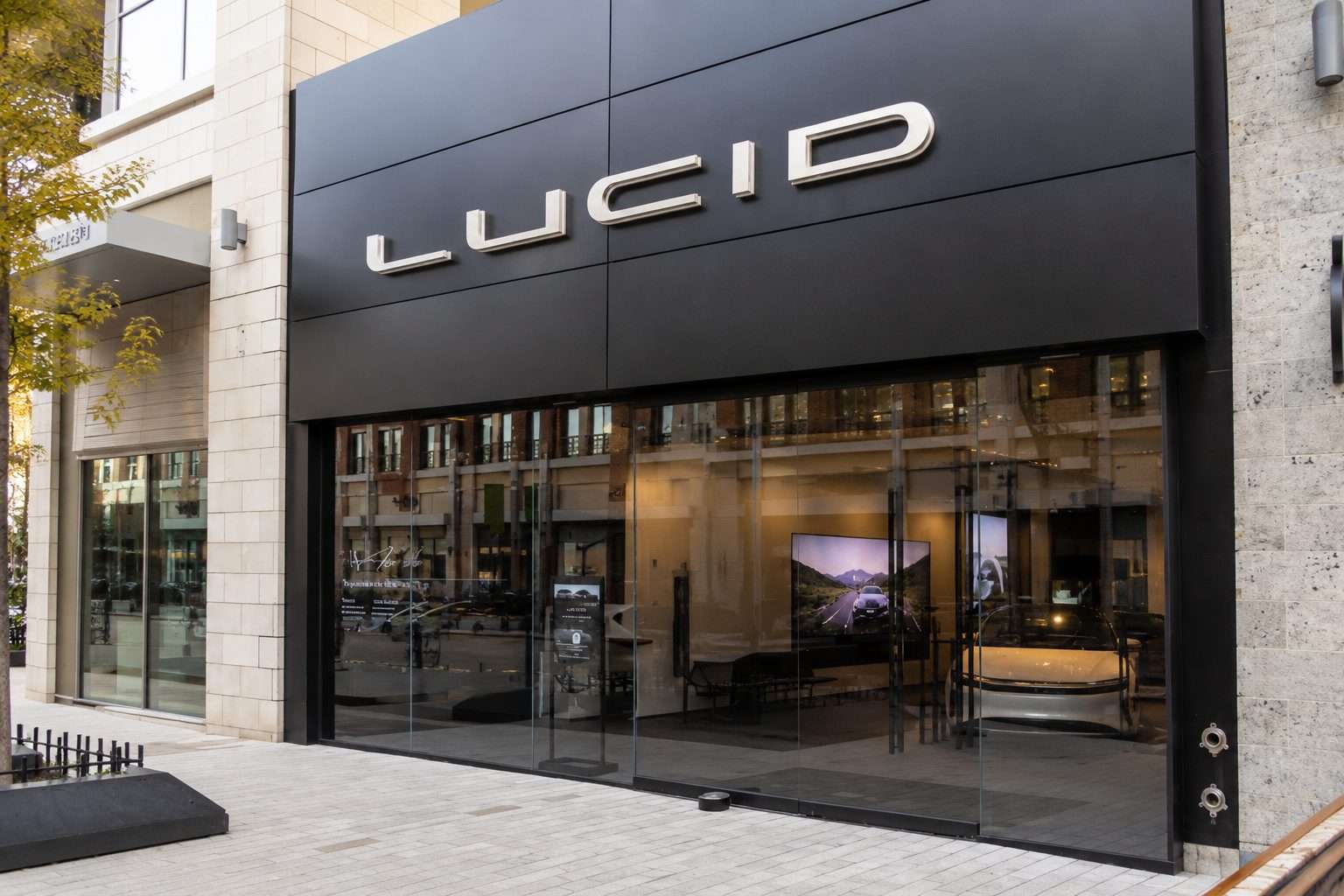
Lucid Group shares dropped hard on Friday, hanging near session lows as a hot U.S. jobs report hit growth names. Investors sold out on worries that rates may stay high longer.
Lucid shares dropped nearly 10% to $5.13 late on Nasdaq, after opening at $5.66. The stock touched a low of $5.10 during the session. Trading volume passed 21.5 million shares, higher than the stock’s average daily volume, market data showed.
Lucid is still burning cash as it tries to ramp up production, expand its lineup and get into robotaxis. Investors have pulled back as profits aren’t expected soon. The change comes with higher rates making it more expensive for companies like Lucid to raise money, and future profits count for less right now.
Wall Street traded lower on the day. The Nasdaq Composite dropped 4%, while the S&P 500 gave up 2.4% and the Dow Jones Industrial Average slid 1% after new data showed U.S. job gains in May coming in well above forecasts, Reuters said. “Strong economy,” Wells Fargo Investment Institute market strategist Gary Schlossberg told Reuters, adding that makes it tough for the Federal Reserve “to even think about rate cuts.” Reuters
Lucid wasn’t the only one moving lower. Tesla slid 6.3% to $392.06, Rivian lost 9.1% to $16.47, both in late trading. The Invesco QQQ Trust, a popular stand-in for the Nasdaq 100, dropped 4.4%. The consumer discretionary ETF, tracking stocks linked to household spending, was down 1.9%.
Lucid’s stock drop this week came even with some positive industry news. Reuters said Uber is putting nearly $500 million into self-driving startup Nuro. That’s part of a bigger plan with Nuro and Lucid to put 35,000 robotaxis on the road, using Lucid Gravity SUVs and new midsize models. Robotaxis are ride-hailing cars that run without human drivers.
Lucid’s pitch boils down to this: the company wants to move its advanced vehicle tech past just high-end cars. But on Friday, shares reflected that traders remain worried about execution, cash burn, and timing.
Lucid’s most recent post for investors went up June 1, announcing Silvio Napoli’s start as CEO after a leadership handoff. Napoli said he’s “increasingly confident” Lucid can “deliver consistent execution and long-term value.” Board chair Turqi Alnowaiser backed Napoli, saying the board had “strong confidence in Silvio’s leadership.” Lucid Group, Inc.
Lucid’s latest quarter turned up mixed results. The company logged $282.5 million in revenue for the first quarter, built 5,500 vehicles, and delivered 3,093. Interim CEO Marc Winterhoff said they were “executing with focus across operations.” CFO Taoufiq Boussaid pointed to over $1 billion in fresh capital, saying Lucid had “strengthened our balance sheet.” Lucid Group, Inc.
Lucid pulled its full-year outlook last month after a supplier problem disrupted Gravity SUV shipments, Reuters said. Lucid, which had forecast 25,000 to 27,000 vehicles for the year, said a seat issue was fixed but paused guidance until the second-quarter call, leaving investors with few details.
Friday’s slide could signal more than just a tough day for the stock. Lucid may face more dilution if rates stay elevated, EV demand keeps cooling or deliveries on the Gravity SUV miss again. That would push out hopes for faster sales and profits. The company’s cash position buys time, but it still has to show big demand.
Lucid’s stock is acting like investors see it under stress. Bulls say deliveries stabilizing, Napoli showing he can cut spending but not hurt products, or the Uber-Nuro test deal going commercial could put a floor under shares. But for now, macro forces drive trading, and Lucid doesn’t have much room to slip.