TAIPEI, April 10, 2026, 02:15 GMT+8
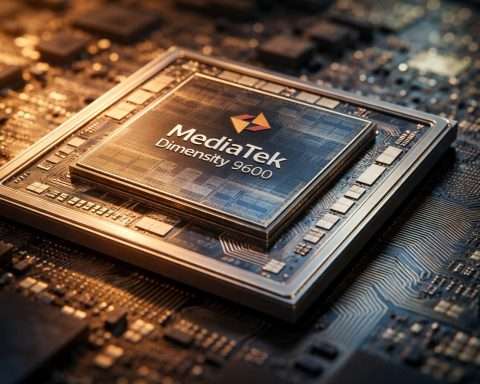
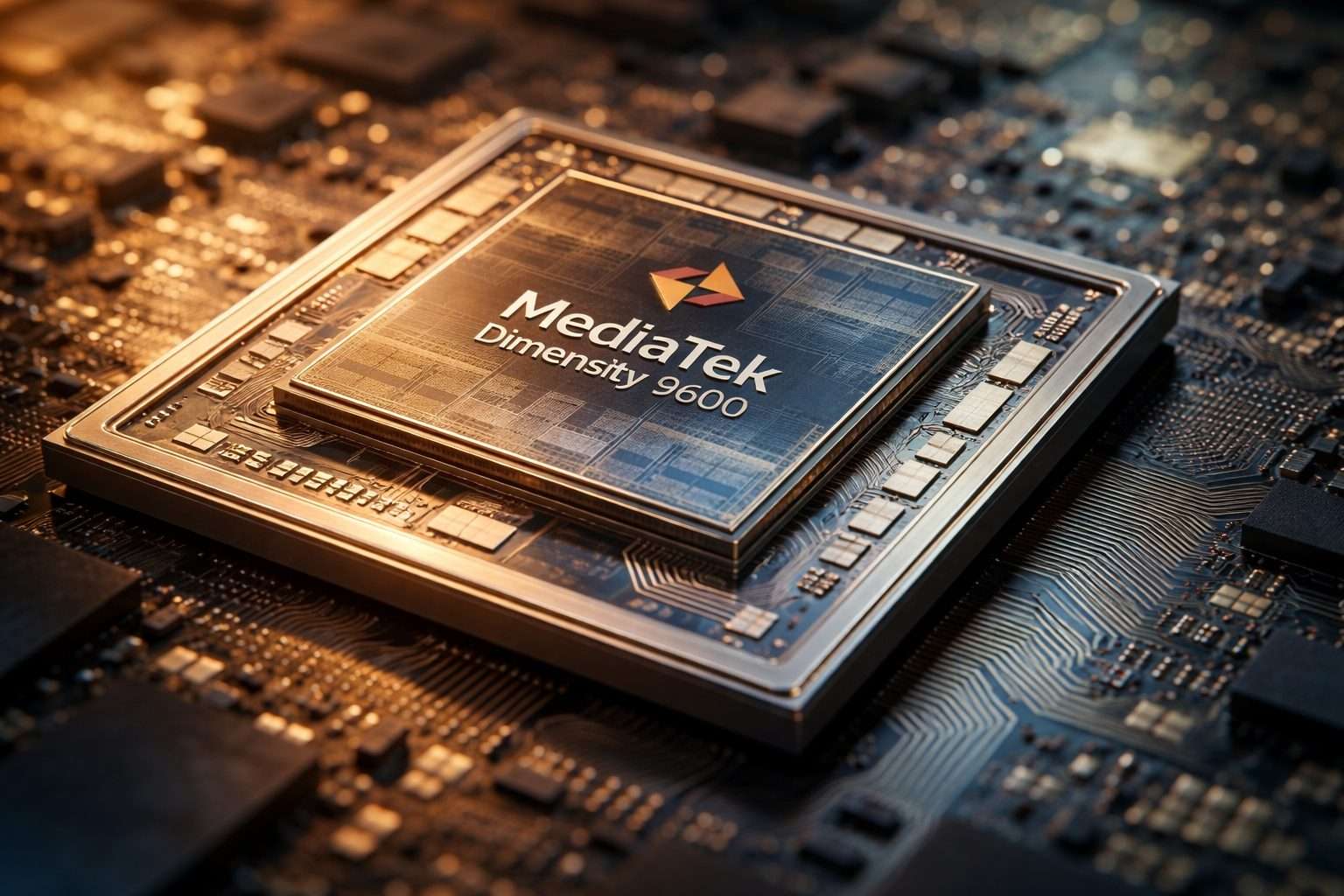
MediaTek’s next flagship phone chip may be headed for a sharper leap than expected. Reports published over the last day said a rumored Dimensity 9600 Pro could move to a dual-prime-core 2+3+3 CPU layout, use TSMC’s enhanced 2-nanometer N2P process and push peak clocks close to 5GHz. 1
The leak matters now because it would mark MediaTek’s biggest architectural break since the Dimensity 9500 and raise the stakes in late-2026 premium Android launches. MediaTek’s current 9500 uses a 4.21GHz ultra core in a 1+3+4 all-big-core layout — meaning it relies only on performance-oriented cores, not small efficiency cores — on 3nm, while the company has said its first flagship SoC on TSMC’s N2P node is due for volume production late in 2026. 2
The trail still runs through the Weibo account Digital Chat Station, so the specifications remain unconfirmed. But separate reports broadly matched on the same package: two “Canyon” cores, three “Gelas-b” cores and three “Gelas” cores, LPDDR6 memory and UFS 5.0 storage — the next standards for mobile RAM and flash storage — plus a new Arm GPU identified in the leaks as Magni. 3
Those reports also said the chip would retain SME2, short for Scalable Matrix Extension 2, an Arm CPU feature designed to speed the matrix math used in on-device AI tasks such as speech, vision and large language models. That matters because flagship phones are increasingly sold on local AI features as much as on graphics or raw CPU speed. 3
N2P is TSMC’s enhanced 2nm manufacturing process. TSMC says it can deliver roughly 18% higher performance at the same power or about 36% lower power at the same speed than N3E, its 3nm baseline, and expects N2P to account for most 2nm adoption, though those are process-level figures, not guarantees for any finished handset chip. 4
But the same batch of leak reports that produced the near-5GHz headline also laid out the main risk: heat. Wccftech, Notebookcheck and Beebom said the Pro version may only hit that ceiling in short bursts, with larger vapor chambers or other aggressive cooling needed to avoid thermal throttling, the automatic cutback in clock speed used to keep a chip from overheating. 5
MediaTek has already given the market a broader roadmap. Reuters reported in May 2025 that Chief Executive Rick Tsai expected the company’s 2nm chip to tape out at TSMC that September. MediaTek said in September that it had done so, with volume production expected late 2026, and President Joe Chen said the effort was aimed at delivering “the highest performance and power efficiency from the edge to the cloud.” 6
That timing would put MediaTek on roughly the same node cycle as Qualcomm, which Reuters reported in January was in talks with Samsung Electronics over contract manufacturing for 2nm chips. MediaTek, meanwhile, billed the Dimensity 9500 as its most advanced mobile platform when it launched last year, underlining how much of its strategy now rests on winning at the top end of the phone market. 7
Even if the specifications hold, the business backdrop is harder than any benchmark chart suggests. Tsai said in February that MediaTek would adjust prices to reflect higher supply-chain costs, while Qualcomm Chief Executive Cristiano Amon warned that “industry-wide memory shortage and price increases” were likely to shape handset volumes through the year. 8
That cost pressure matters because IDC expects the global smartphone market to post its steepest-ever drop in 2026 as memory prices rise. IDC’s Francisco Jeronimo called the squeeze a “tsunami-like shock,” and Counterpoint’s Tarun Pathak said separately in January that the market was softening amid chip shortages and rising component costs. If the Dimensity 9600 Pro ships with anything close to the leaked sheet, MediaTek may have a louder answer for Qualcomm on paper, but turning a 5GHz rumor into a usable flagship part will come down to cooling and cost as much as raw clocks.