
Melbourne, April 28, 2026, 08:02 (AEST)
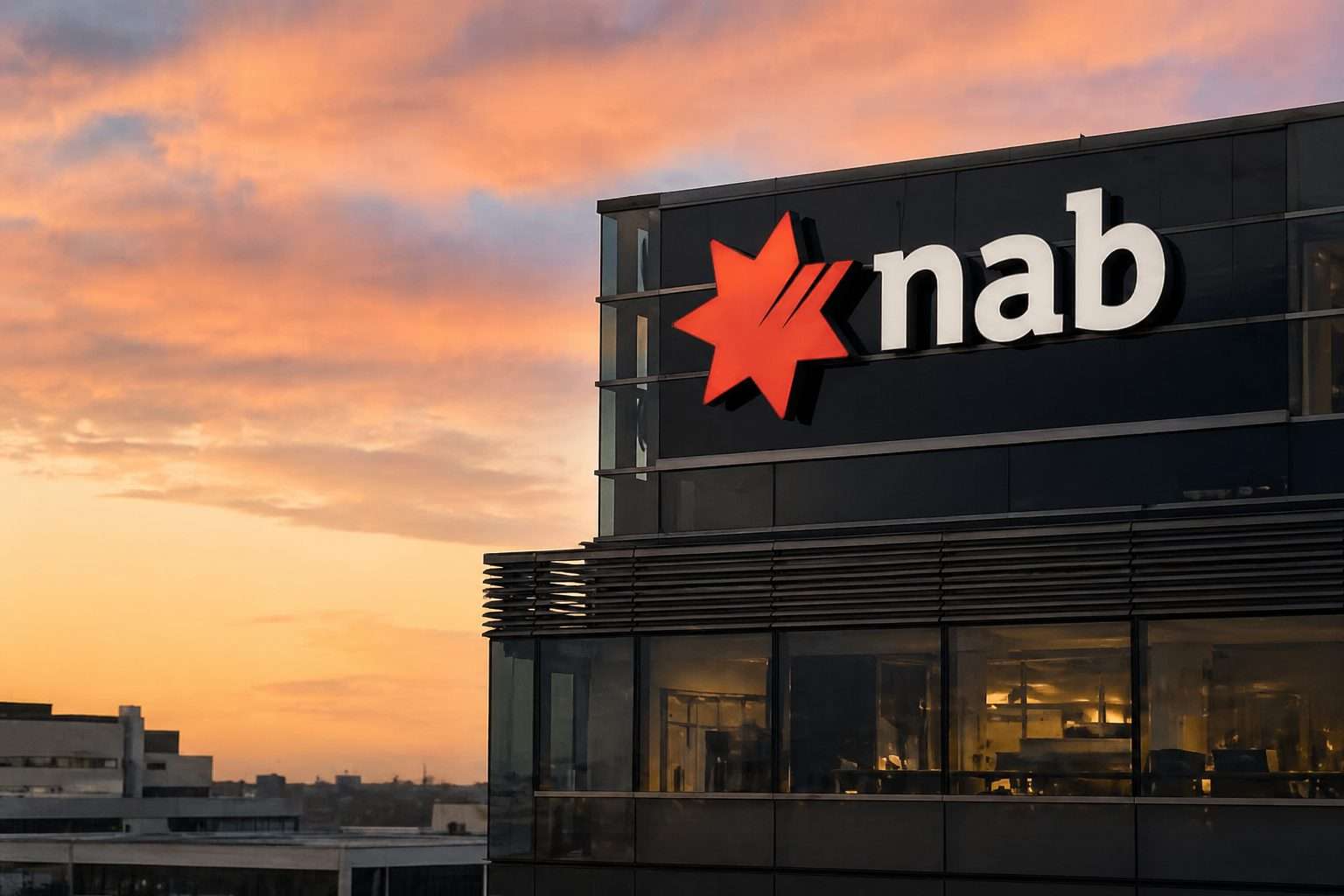
National Australia Bank has launched its first AI Science team, formalizing efforts around technology now pushing big shifts in fraud detection, lending, and customer service. George Mathews, previously at McKinsey and holding a PhD in AI and robotics, will head up the team and report to Chief AI Officer Mahya Knox, who moved to NAB from Commonwealth Bank. Pete Steel, group executive for digital, data and AI at NAB, called the current speed of AI development “faster than anything I’ve seen before.” He added NAB can’t afford to fall behind. The Australian
Timing’s key here. NAB isn’t quietly hiring tech staff in a lull—this comes as investors are already eyeing the May 4 half-year results, with concerns swirling around credit quality, capital levels, and whether tech investments will streamline the business or simply drive up expenses. The bank has May 4 locked in for its half-year results on its own financial calendar.
AI agents—software designed to perform tasks with minimal human direction—are making their way out of pilot programs and firmly into banks’ daily operations. Back in February, NAB reported that AI was already assisting customers to “save money, avoid scams” and get quicker answers. Steel added that the bank is developing AI-focused career tracks, not simply acquiring new tech. NAB News
The report says the new unit is tasked with AI agent architecture, evaluation methods, and building fresh AI products. But that’s not what’s drawing all the attention. Regulators, investors, and staff care less about NAB rolling out another chatbot—they want to see if these systems can actually operate safely within a bank that deals in payments, credit, identity data, and business lending.
Pressure in the sector isn’t letting up. CBA took heat from the Finance Sector Union over plans to cut 119 jobs—automation directly factoring into six of those, the union said. The bank has pledged about A$90 million over three years for a workforce transition program, aiming to help staff keep pace with shifting demands. Meanwhile, ANZ, also part of the big four, has established a top-level AI role, signaling just how fierce the fight for AI talent is turning.
NAB faces its own set of workforce issues. As Reuters highlighted last month, the FSU claimed NAB’s restructure in its business division would mean roughly 170 Australian jobs cut, with new positions opening offshore—mostly in India and Vietnam. The bank responded at the time, saying the move aimed to create a “modern workforce” and that offshore hires were intended to bolster Australian teams. Reuters
The financial landscape isn’t exactly cushy right now. On April 20, NAB flagged that its first-half credit impairment charges would jump to A$706 million—double the previous amount—as the bank increased reserves for potential losses tied to transport, agriculture, construction, and commercial real estate. The reason: fallout from the Middle East conflict driving energy prices higher. “Banks were building buffers in vulnerable, cyclical sectors,” Solaris Investment Management’s chief investment officer—and NAB shareholder—Michael Bell told Reuters. Reuters
NAB flagged a A$949 million after-tax charge for accelerated amortisation in its first-half numbers, linked to an overhaul in how it accounts for software spending. That puts real money behind the bank’s AI efforts—not just a marketing move. Shareholders will be looking for hard proof that these internal systems can actually cut fraud, boost processing speeds or keep customers on board—without bringing new risks, whether on the tech or compliance side.
Trading hadn’t kicked off yet at the dateline—normal activity on the ASX cash market gets underway at precisely 09:59:45 in Sydney, following the pre-open and opening auction. NAB closed out Monday at A$40.20, up 0.3%. The ASX 200, however, slipped, weighed down by worries over oil prices and geopolitics.
The risk is hard to miss. Sure, AI slashes manual workloads and tightens up fraud checks, but banks charging ahead can stumble—model glitches, privacy headaches, pushback from employees, political heat if customers feel automation guts human service. Just last week, NAB and the FSU wrapped up Federal Court action over extra hours “without admissions,” also signing off on a health, safety and wellbeing plan. It’s a pointed signal: managing staff isn’t just for HR anymore—now it’s on the board’s plate. NAB News
Access to services remains in the spotlight. A regional banking alliance is pressuring big names like NAB, CBA, ANZ, and Westpac to chip in for face-to-face banking across rural communities, following a stretch of branch closures. The group argues digital fixes and temporary moratoriums haven’t closed the gap. That leaves NAB’s bet on AI with two edges: sharper digital tools, but also fresh questions about what customers and staff might give up.
NAB faces a tight challenge right now. Mathews and Knox have to deliver actual results from AI — cutting down scams, speeding up decisions, sharpening risk moves — and persuade both employees and regulators that this isn’t just cost-cutting dressed up with new jargon. Announcing a team was the easy part; this is tougher.