
London, April 24, 2026, 16:08 BST
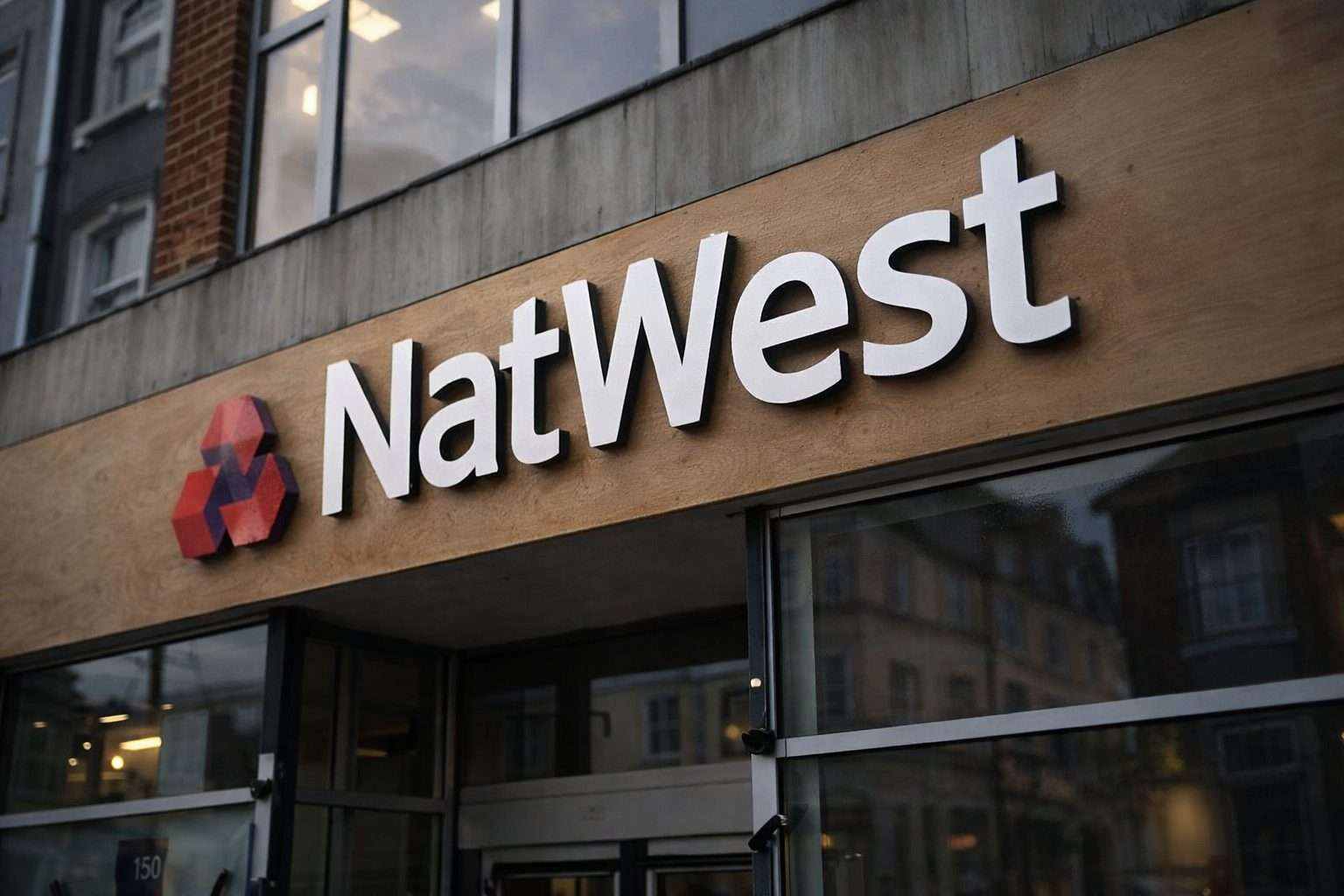
NatWest Group plc rolled out a new venture banking unit aimed at UK high-growth firms and their investors, stepping further into startup finance just days ahead of its Q1 earnings report. According to the bank, NatWest Venture Banking plans to support businesses from the seed stage all the way to global expansion, and has tapped Amazon Web Services as a strategic partner.
Timing’s key here. Citi projects NatWest’s adjusted pretax profit for Q1 will beat consensus by roughly 7%—a stronger showing than its estimates for Barclays and HSBC. Lloyds Banking Group, on the other hand, is expected to land about 3% below consensus. That places NatWest firmly ahead as UK banks start reporting results, with investors watching to see if strong margins and low loan losses hold up.
Venture banking caters to companies with backing from venture capital or similar growth-focused investors, not the established businesses that rely on predictable cash flow and traditional loans. NatWest is rolling out a new unit, planning to bring together relationship bankers, sector specialists, adaptable capital, and fund-banking support aimed at venture capital firms plus the companies in their portfolios.
Paul Thwaite, the chief executive, noted that founders are still running into “barriers to scaling.” Jenny Edwards, who heads NatWest Venture Banking, described the launch as a “major investment” in the UK’s innovation economy. AWS, for its part, confirmed its cloud and AI tools will be included in the support offered to technology-led firms. US Press Center
NatWest will post its first-quarter numbers at 7 a.m. BST on May 1, with management set to present at 9 a.m. Barclays kicks off UK bank earnings on April 28. Lloyds is up next, reporting April 29, and HSBC wraps things up May 5. Investors get a fast look at both domestic and global banks this way.
NatWest is expected to post first-quarter net interest income of £3.41 billion, with total income coming in at £4.31 billion and operating profit before tax at £1.94 billion, according to consensus compiled by the company. Net interest income—the difference between what the bank makes from loans and securities versus what it pays for deposits and funding—remains a crucial metric for UK banks with rates still elevated.
NatWest’s 2026 targets aren’t exactly shutting down debate. After February’s results, Hargreaves Lansdown analyst Matt Britzman called the outlook “cautious rather than ambitious,” adding there’s “room for upgrades” as the year goes on. Sharecast
NatWest has been looking for ways to expand beyond its core of mortgages, deposits and business lending. Back in February, the bank posted operating profit before tax for 2025 of £7.7 billion, along with a 19.2% return on tangible equity. For 2026, NatWest’s income guidance came in at £17.2 billion to £17.6 billion, not counting notable items. Return on tangible equity tracks profit relative to a bank’s hard shareholder capital.
NatWest’s £2.7 billion acquisition of Evelyn Partners, unveiled earlier this year, marks another turn in the bank’s strategy. Back when the deal broke, Reuters noted this was the largest buy for NatWest since its 2008 bailout, and the move targets an expanded wealth management footprint—attractive for its fee revenue and less direct exposure to lending margins.
The picture isn’t exactly straightforward. NatWest’s UK Business Growth Tracker reported that mid-market activity was still rising in March, but confidence took a hit—dragged down by the Middle East conflict and the sting of steeper fuel and transport costs. Input price inflation climbed to its highest mark since January 2023. That’s a concern: firms and households feeling the squeeze could mean softer loan demand or a jump in bad-loan charges.
NatWest is pitching a bigger narrative: wealth growth, a push into startup banking, tech tie-ups, and core earnings that remain solid. May 1 will reveal in the numbers just how much of that pitch the shares have already priced in.