
OSLO, May 7, 2026, 15:03 CEST
- Norway has given the green light to restart production at Albuskjell, Vest Ekofisk, and Tommeliten Gamma—three North Sea gas fields that were closed back in 1998.
- The project, carrying a price tag of 19 billion Norwegian crowns, is slated to begin production in late 2028, with operations expected through 2048.
- Oslo unveiled 70 fresh exploration blocks, a move that climate advocates and the left-wing opposition wasted no time in criticizing.
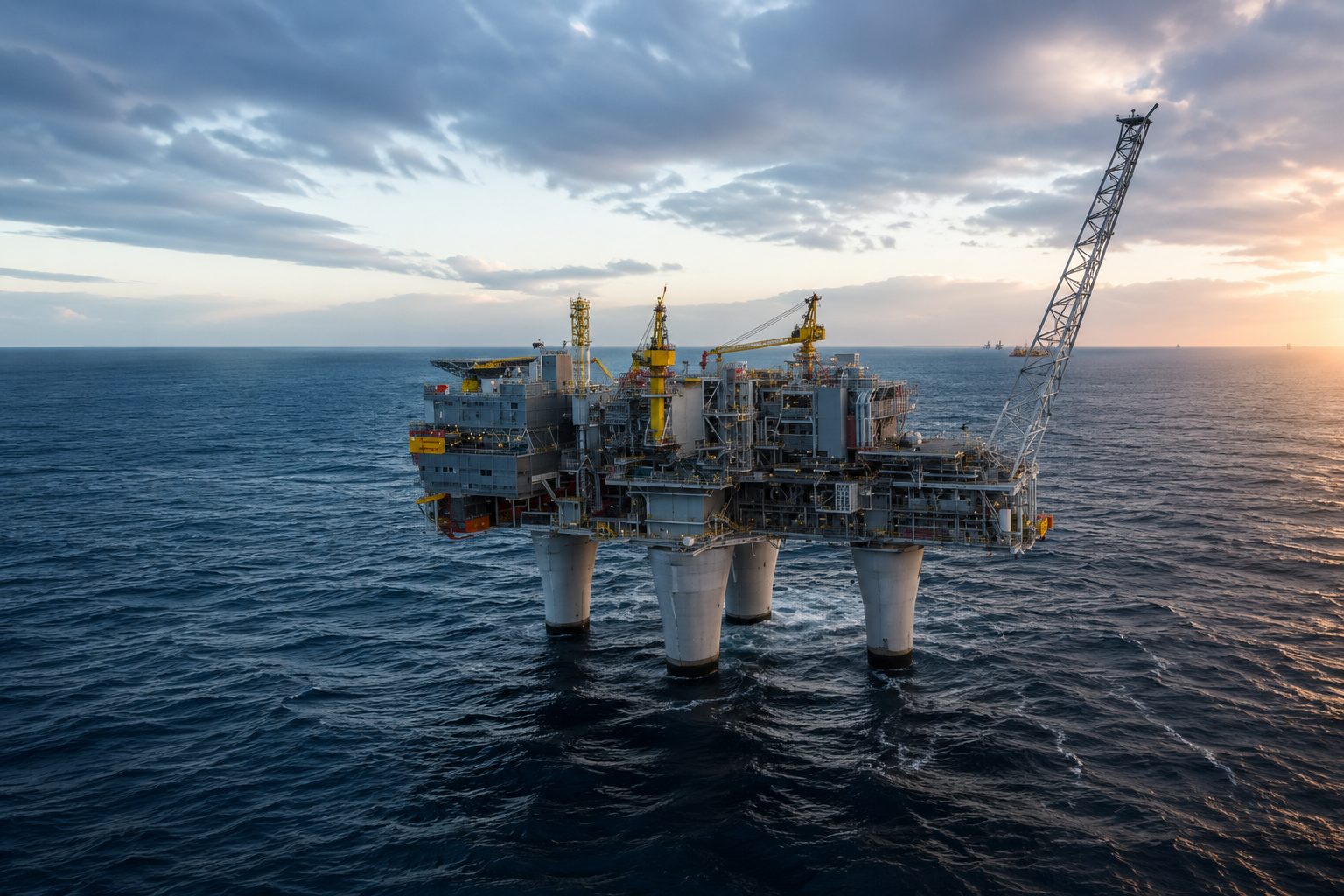
Norway has signed off on plans to restart production at three North Sea gas fields that have been shuttered for years, targeting a boost to European supply as the region looks to replace Russian gas amid war and supply disruptions. According to the Energy Ministry, redevelopment of the Albuskjell, Vest Ekofisk, and Tommeliten Gamma fields is moving ahead, with first gas projected for late 2028.
Timing is key here: since Russia’s full-scale invasion of Ukraine in 2022, Norway has taken over as Europe’s top pipeline gas supplier. Tensions in the Middle East have only sharpened concerns about energy security. “Norwegian oil and gas output was ‘an important contribution to energy security in Europe,’” Energy Minister Terje Aasland said, emphasizing that bringing new gas fields online should allow Norway to maintain strong delivery volumes into the future. Regjeringen
The move drops right into an ongoing political tussle over Europe’s reliance on new fossil-fuel output, even as the region pushes to slash emissions. On Tuesday, Oslo revealed it’s tacking on another 70 blocks to its yearly Awards in Predefined Areas (APA) licensing round, stretching across the North Sea, Norwegian Sea and Barents Sea.
ConocoPhillips is set to run the Previously Produced Fields project (PPF), partnering with Vår Energi, Orlen Upstream Norway, and state-owned Petoro across the various licenses. Four subsea installations will connect back to the Ekofisk complex, according to the ministry.
The fields contain an estimated 90 million to 120 million barrels of oil equivalent in recoverable gas and condensate—condensate being a light hydrocarbon liquid typically produced along with gas. Plans call for the gas to head out to Emden, Germany, with condensate cargoes bound for Teesside, Britain.
ConocoPhillips laid out plans for 11 new wells, built from four subsea templates and hooked up via a single pipeline. Steinar Våge, who heads up the company’s operations in Europe and North Africa, said tapping into existing infrastructure gives the group a shot at “substantial resources at low cost” and boosts gas flows to Europe. ConocoPhillips
The divide in North Sea policy is becoming harder to ignore. Norway is pushing to keep production flowing from its aging offshore sites, but Britain’s Labour government won’t issue any fresh exploration licences. That decision puts developments like Equinor’s Rosebank oil field and Shell’s Jackdaw gas project squarely in the political and legal spotlight.
Risks aren’t hard to spot. Environmental organizations and left-leaning parties argue that the exploration drive risks cementing emissions and putting more fragile marine areas in the crosshairs for drilling. Lars Haltbrekken, deputy leader and environment spokesman for Norway’s Socialist Left party, charged the government with brushing aside environmental guidance, warning that broader exploration could endanger fish and bird habitats.
The government maintains the acreage sits in mature regions, meaning exploration can tap into existing or soon-to-be-built infrastructure. According to the Prime Minister’s Office and Energy Ministry, the APA system is designed to ensure companies have steady, predictable access to exploration acreage. For 2026, the round covers 38 blocks in the Barents Sea, 10 in the Norwegian Sea, and 22 in the North Sea. Applications have a Sept. 1 deadline, with awards expected in early 2027.
Norway is banking on both aging fields and new licenses to ease the drop-off in its petroleum business—a sector still vital for exports, jobs, and the state’s finances. Europe’s situation isn’t so straightforward: extra Norwegian gas bolsters short-term energy security, yet extends a reliance the continent insists it plans to end.