Shanghai, January 24, 2026, 21:21 GMT+8
- Jensen Huang is in Shanghai for Nvidia’s annual China employee celebrations, people briefed on the matter said
- Nvidia is waiting on Beijing to decide whether its H200 artificial intelligence chip can be sold to Chinese customers
- Chinese customs agents have been told the H200 is not permitted to enter China, sources have said
Nvidia CEO Jensen Huang is in Shanghai on Saturday as the U.S. chipmaker waits for Beijing to decide whether its powerful H200 artificial intelligence chip can enter China, a person briefed on the matter said. (Reuters)
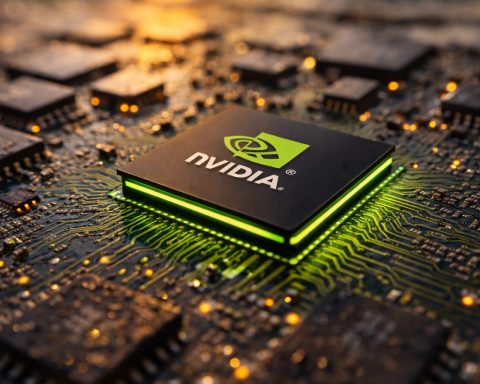
Why it matters now: the decision would shape Nvidia’s access to a key market at a moment when U.S.-China tech ties are tense and Chinese regulators are scrutinising major foreign suppliers. The H200 is Nvidia’s second-most powerful AI chip — a data-centre processor used to train and run advanced AI systems — and it has become a political and commercial flashpoint.
Demand signals are also getting louder. KeyBanc analyst John Vinh said Chinese companies “may be willing to purchase around 1.5 million H200 chips,” which he estimated could translate to about $30 billion in potential revenue for Nvidia. (TradingView)
Huang’s visit itself is not unusual. People familiar with the plans said he is expected to attend an Nvidia party in Shanghai before travelling to Beijing, Shenzhen and then Taiwan.
Nvidia did not respond to a request for comment on the trip, according to the earlier report. Chinese outlet Tencent News first reported Huang’s presence in Shanghai.
The bigger issue is the chip. Nvidia is waiting for Beijing to decide whether to allow sales of the H200 to Chinese customers, even after Washington approved the step, Reuters reported.
LiveMint, citing reporting on the customs situation, said Chinese customs authorities told a logistics company in Shenzhen last week that Nvidia’s H200 chips were not allowed into the country, without giving a reason or saying whether the move was temporary. It also reported that some domestic tech firms were warned against buying Nvidia chips and told to prioritise local options, prompting firms including Tencent, Alibaba and ByteDance to debate limiting purchases to projects that need the higher performance. (mint)
Investors have been trying to read the tea leaves anyway. Nvidia shares gained 1.5% on Friday after Bloomberg News reported Chinese officials told Alibaba, Tencent and ByteDance they could prepare orders for the H200 AI chips, a separate Reuters markets report said. (Reuters)
Any opening would come as China’s domestic AI chip players push harder. Bloomberg reported that in Nvidia’s absence, local rivals including Huawei Technologies and Cambricon Technologies have gained ground. (Bloomberg)
But the risk case is simple: China could keep the border block in place, tighten conditions around who can buy the chips and for what uses, or drag out approvals as leverage in broader talks with Washington. For Nvidia, delays also raise the chance that customers shift workloads to domestic alternatives, even if they prefer Nvidia’s ecosystem.
Huang’s travel underscores how much is at stake. Reuters reported he visited China at least three times last year and met China’s commerce minister in July, as Nvidia tried to navigate both regulatory pressure and rising competition.
For now, the immediate question is whether Beijing turns the customs message into a formal policy — or quietly reverses it — and whether Huang’s planned stops in Beijing and Shenzhen yield any clearer signal.