
Tokyo, April 16, 2026, 06:05 JST
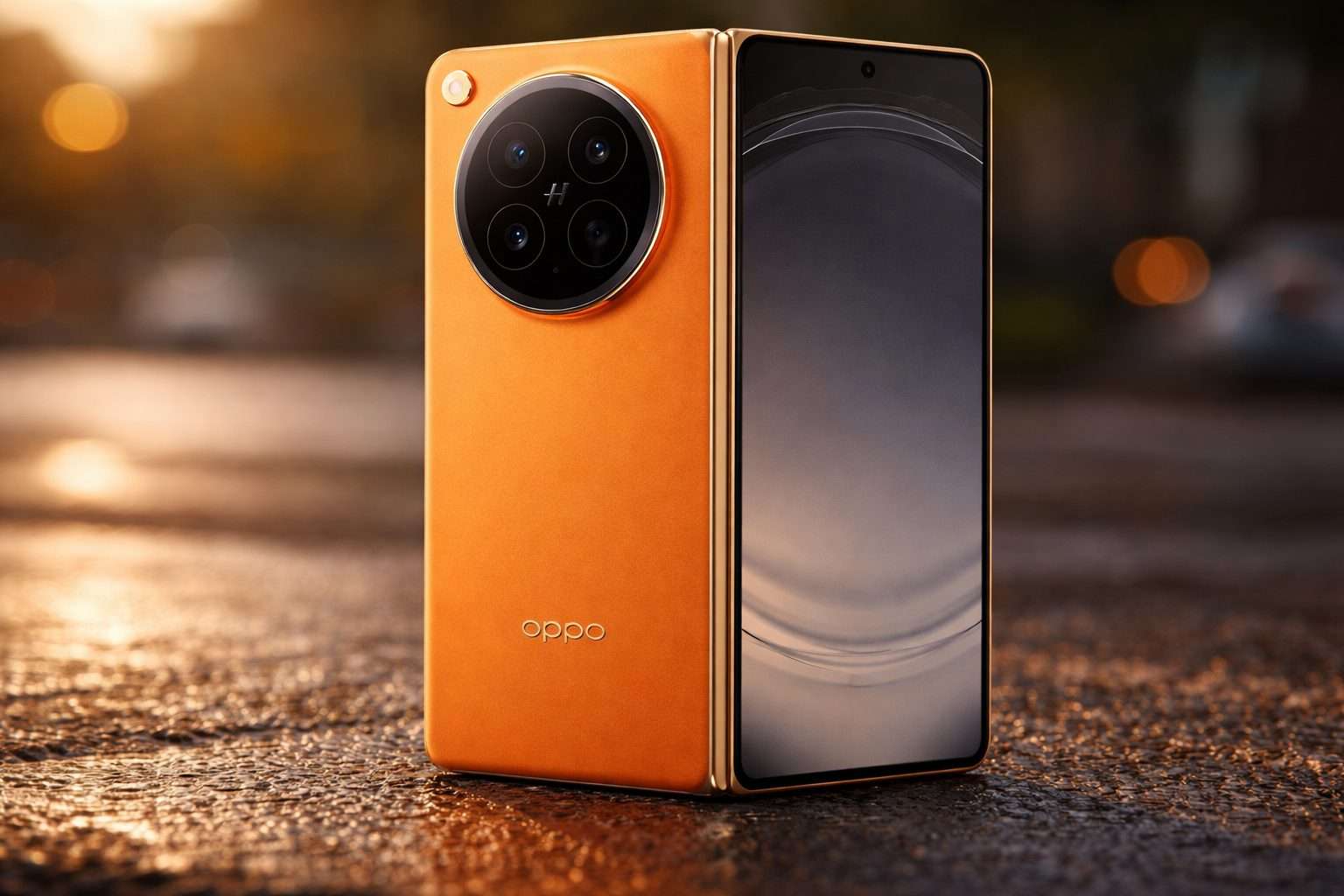
Oppo kicked off sales of the Find N6 in Japan on Wednesday, marking the debut of its foldable phone in the market at a price of 318,000 yen. The 16GB/512GB version is being offered via KDDI’s au +1 collection, IIJmio, AEON Mobile, major electronics retailers, and online outlets such as Amazon.
Timing’s key here. Japan is still dominated by iPhones—Apple grabbed 60.58% of mobile vendor web usage in March, according to Statcounter. Oppo’s jumping in now, ahead of any foldable iPhone hitting stores. This launch lands just as vendors ramp up focus on premium handsets: Counterpoint reported a 6% drop in global smartphone shipments for the first quarter, blaming memory shortages, while IDC flagged rising component costs nudging brands upmarket.
Oppo is marketing the N6 as both a productivity tool and a luxury handset. Flip it open and you’re looking at an 8.12-inch inner screen. The main camera pushes 200 megapixels, there’s a hefty 6,000mAh battery, and you get support for an AI pen—handy for notes and multitasking. Oppo dubs its fold mark the “Zero-Feel Crease.” According to an official note, that’s more about the crease being tough to notice during regular use than it being gone entirely. ケータイ Watch
“The crease has remained one of the primary concerns for users,” Pete Lau, Oppo’s chief product officer, told the crowd at the global launch. On the software side, Kai Tang, serving as Oppo’s president of software engineering, called the AI Pen “a significant leap in efficiency” for foldables. Looking at Japan, the wide distribution network points to Oppo aiming far beyond just an early-adopter market. OPPO
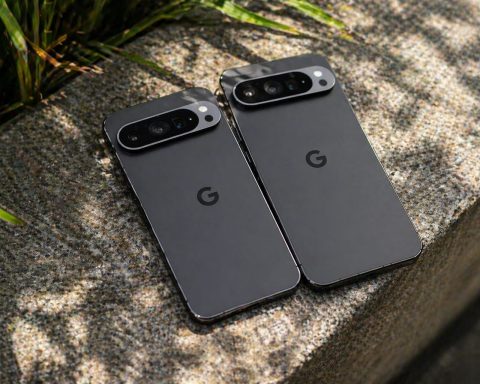
Competition’s not waiting around. Over on Samsung’s Japanese web store, the 512GB Galaxy Z Fold7 goes for 283,750 yen—under Oppo’s list price. SoftBank, meanwhile, pitches Google’s Pixel 9 Pro Fold on slimness, multitasking chops, and Google AI.
Initial hands-on reactions are calling out the hinge. Over at Android Police, reviewers noted the N6 hinge comes off smoother and quieter than what you get with Google’s Pixel 9 Pro Fold. PhoneArena, citing a month-long test from tech watcher Ben Geskin, flagged up a subtler fold line on the N6 versus last year’s N5.
The manufacturing angle jumps out here. According to TCT Magazine, Bright Laser Technologies produced part of the hinge as a unified 3D-printed piece—replacing as many as 13 separate machined components. BLT’s general manager, Vincent Yang, pointed to a 50% improvement in the wing plate’s supporting surface flatness compared to last year.
The risks stick out. Priced at 318,000 yen, the N6 comes in high, even compared to other foldables. IDC doesn’t expect foldables to crack 3% of global smartphone shipments by 2029. Apple’s position is still unclear: Reuters said last week its first foldable iPhone is facing engineering problems, clouding any sense of timing around when it might launch.
Foldables are “rapidly maturing,” but still “somewhat niche,” according to IDC’s Francisco Jeronimo. Oppo is about to find out in Japan whether a thinner build, subtler crease, and a focus on productivity can pry premium shoppers away from Apple, where loyalty to the iPhone runs deep. IDC