HONG KONG, Jan 17, 2026, 15:54 HKT
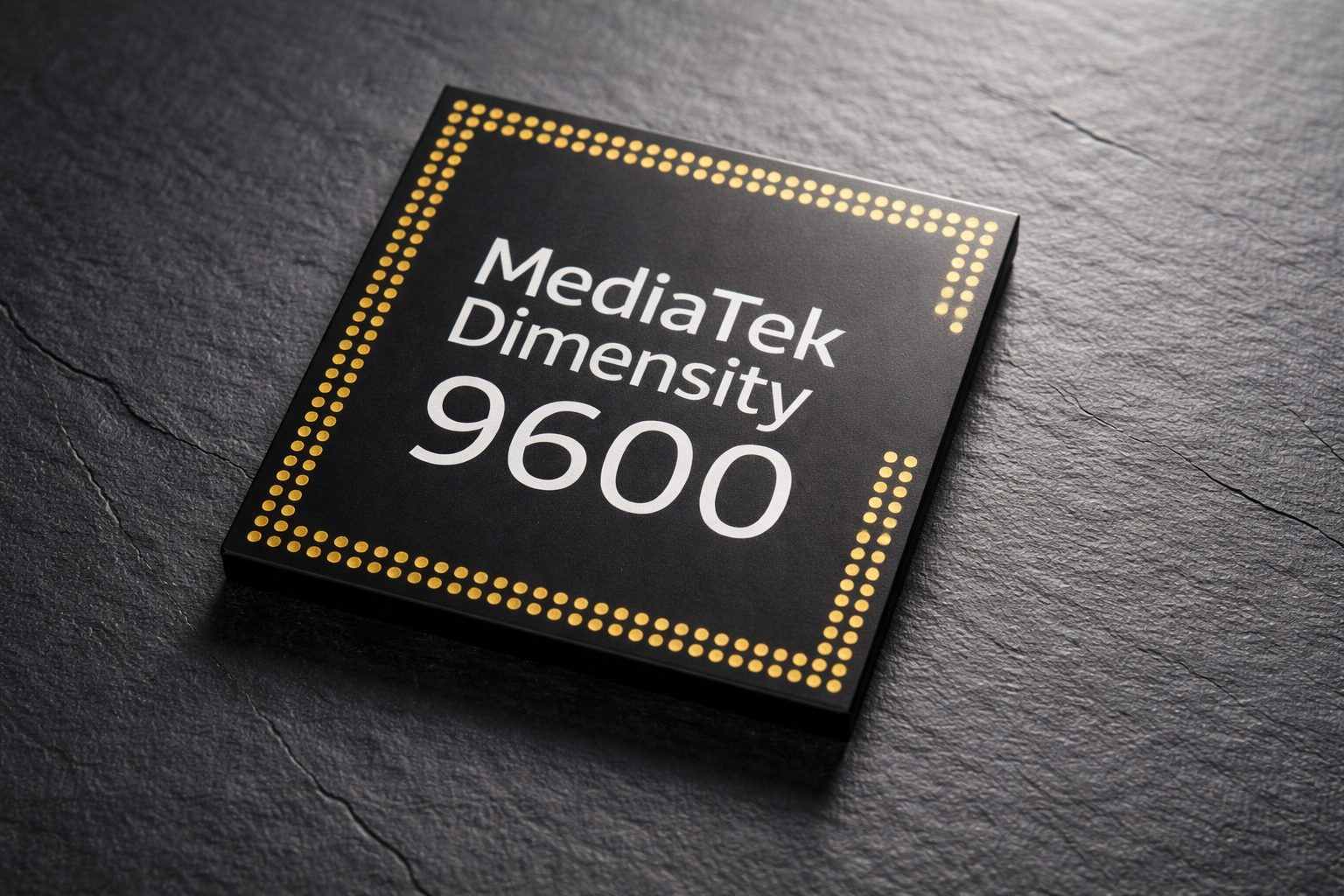
- Reports suggest Oppo and Vivo might push their upcoming flagship launches to September, aligning with MediaTek’s Dimensity 9600 release schedule
- This shift would place them squarely in the busy autumn period, where Apple iPhone debuts and Xiaomi’s flagship launches already compete for attention
- Xiaomi is pushing its ecosystem hardware, featuring new smart glasses centered on audio, as showcased in a recent review
According to industry reports released Friday, Oppo and Vivo might advance the launch of at least one next-generation flagship smartphone to September, driven by MediaTek speeding up the release of its Dimensity 9600 chip.
September is crucial since it marks the peak season for premium phone launches. Apple usually debuts its latest iPhones then, while Chinese manufacturers rush to capture domestic market share with rapid hardware updates and competitive pricing.
Rolling out Dimensity sooner would give MediaTek a slight edge over Qualcomm, letting Android manufacturers launch new chips ahead of the year-end demand surge and final marketing commitments.
Latestly reports, based on a tip from Digital Chat Station, that Oppo or Vivo might skip the usual October launch slot and unveil their Dimensity 9600-powered devices as early as September 2026. This move would put them in direct competition with Xiaomi’s upcoming flagship series and Apple’s latest iPhone lineup. 1
Gizmochina reported that MediaTek’s revised timeline could speed up the launches of phones like Oppo’s Find X9 and Vivo’s X300 series, which previously saw Dimensity-powered flagships arrive later in their cycles. The blog also mentioned that Digital Chat Station expects the current “Ultra” models — Find X9 Ultra and Vivo X300 Ultra — to drop in April. 2
Oppo and Vivo face a clear dilemma: delay their launches and they might get overshadowed by iPhone news and early Android flagship releases, particularly in China where consumers tend to prioritize the latest camera tech and processor upgrades.
Xiaomi is pushing to keep its brand visible beyond just smartphones. Steve Vegvari from iPhone in Canada reviewed the recently launched Mijia Smart Audio Glasses, calling them “designed for audio only.” He noted the glasses feature four built-in speakers, touch controls, and clocked about 12 to 13 hours of battery life during his tests. 3
This accessory strategy complicates the autumn race: it’s not only about which phone is quickest, but also which ecosystem of devices can better lock users into a brand’s world.
Risks remain. The September date comes from leaks rather than official word, and release schedules often shift due to chip supply, software delays, or last-minute hardware tweaks. Exact model names and configurations are still unsettled.
MediaTek, Oppo, and Vivo haven’t confirmed the rumored timelines. Should the chipmaker actually move its flagship launch up, expect competitors to accelerate their plans too — making September a busier month than usual.