WASHINGTON, February 5, 2026, 08:25 EST
- U.S. Democratic senators have called on the Pentagon to investigate SpaceX amid claims it concealed investments connected to China
- Lawmakers pointed to national security concerns linked to SpaceX’s military launch operations and the use of Starlink
- The letter requests the Defense Department to evaluate if foreign-ownership regulations and a CFIUS review are necessary
Democratic U.S. senators pressed the Pentagon on Thursday to immediately investigate SpaceX amid claims that Chinese investors have quietly acquired stakes in the private rocket company. Senators Elizabeth Warren and Andy Kim warned Defense Secretary Pete Hegseth that such investments could represent “a national security threat, potentially jeopardizing key military, intelligence, and civilian infrastructure.” 1
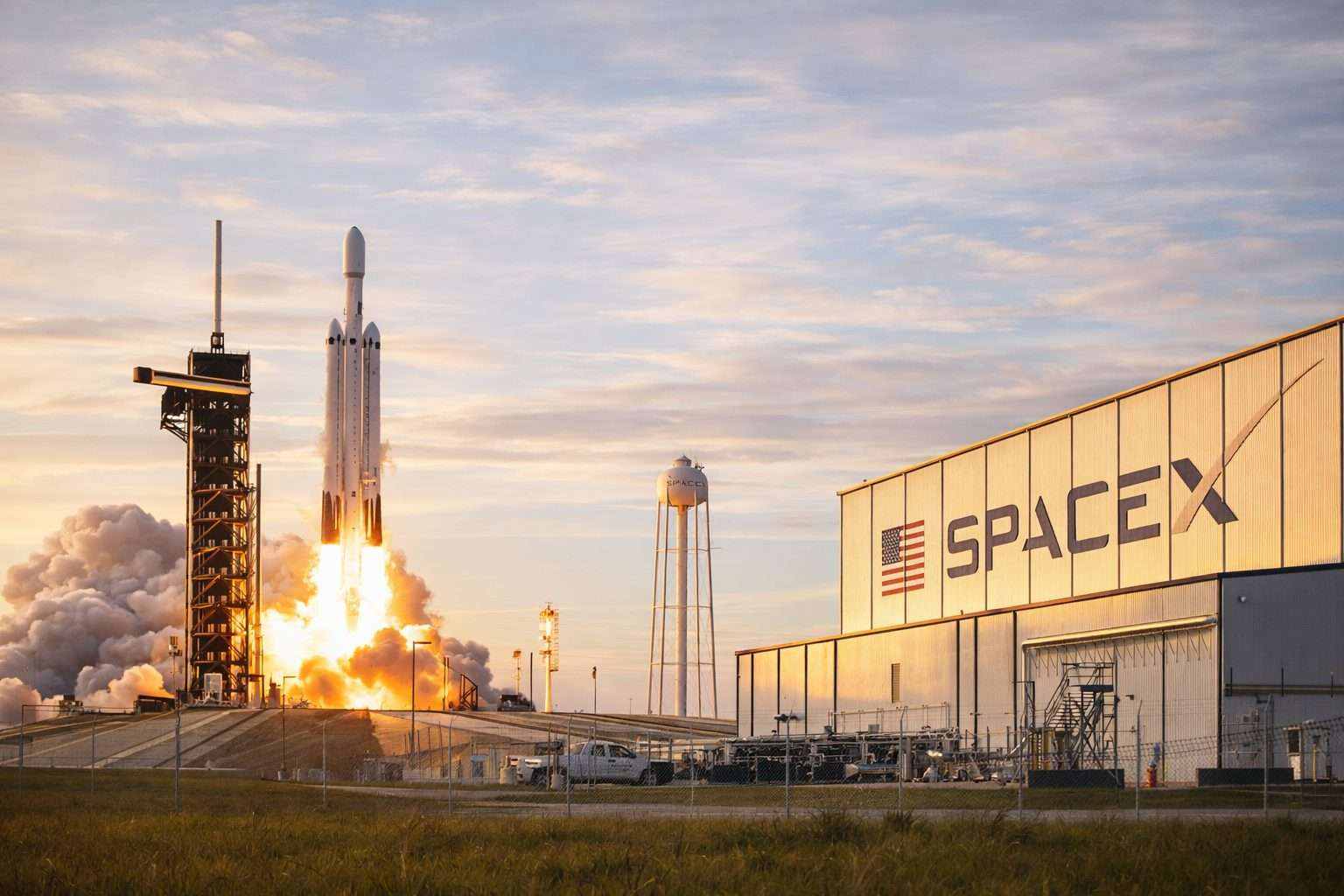
The request targets a firm embedded deep within U.S. defense infrastructure. SpaceX handles launches for military and intelligence satellites and operates its Starlink network, which the Pentagon relies on and also uses to bolster Ukraine’s defense, lawmakers noted. 2
In a letter, the senators highlighted media reports and court testimony indicating that investors linked to China funneled money through entities in the Cayman Islands and the British Virgin Islands to hide purchases of SpaceX shares. They called on the Defense Department to reveal any Chinese ownership, evaluate if SpaceX requires protections under foreign-ownership regulations, and decide whether the investments warrant review by the Committee on Foreign Investment in the United States (CFIUS). A response was requested by February 20. 3
Foreign ownership, control, or influence—FOCI for short—is a national-security measure applied within the U.S. defense industrial base. According to the Defense Counterintelligence and Security Agency, a company falls under FOCI if a foreign entity can directly or indirectly sway its management, potentially risking classified information or impacting how classified contracts are handled. 4
CFIUS is an interagency committee in the U.S. that examines specific foreign investments and select real estate transactions involving foreign individuals, evaluating their potential impact on national security, the U.S. Treasury Department says. 5
xAI’s website notes that SpaceX revealed its acquisition of xAI on February 2. Senators flagged the move, pushing for clarity on who really controls parts of SpaceX. 6
The issue of hidden ownership has been brewing in public reports for months. Back in October, ProPublica revealed that a key SpaceX investor, Iqbaljit Kahlon, testified in a deposition that certain Chinese investors were “directly on the cap table.” Indiana University professor Sarah Bauerle Danzman also warned that having access to nonpublic info “would create huge risks” for national security. 7
SpaceX’s rivals for Pentagon launch contracts will be paying close attention to any review. According to a Congressional Research Service primer, the U.S. currently recognizes just two certified launch providers for National Security Space Launch missions: SpaceX and the United Launch Alliance, a Boeing-Lockheed Martin joint venture. Meanwhile, Jeff Bezos-backed Blue Origin is still in the process of getting its New Glenn rocket certified.
Testing these claims won’t be straightforward. SpaceX isn’t publicly traded, and its ownership often runs through funds and offshore entities that mask the true backers. The Pentagon’s review might conclude with no action, or it could impose stricter mitigation measures that delay deals, complicate sensitive programs, or force the company to alter how it manages foreign-linked capital.
The senators’ letter, deadline set for February 20, shines a rare spotlight on a defense sector secret: who really holds stakes when contracts cover rockets, satellites, and secure networks.